The trade of industrial fitter has been based for decades on paper blueprints, tape measures, and hammer blows. But 3D technology is changing the rules. From the preview of metal structures to the simulation of complex assemblies, three-dimensional modeling allows errors to be detected before cutting a single piece. A clear example: assembling a pipe in a chemical plant. With a 3D model, you check for interferences with other installations without lifting a finger. The necessary programs are Autodesk Inventor, SolidWorks, or Navisworks for collision review, and SketchUp for quick sketches.
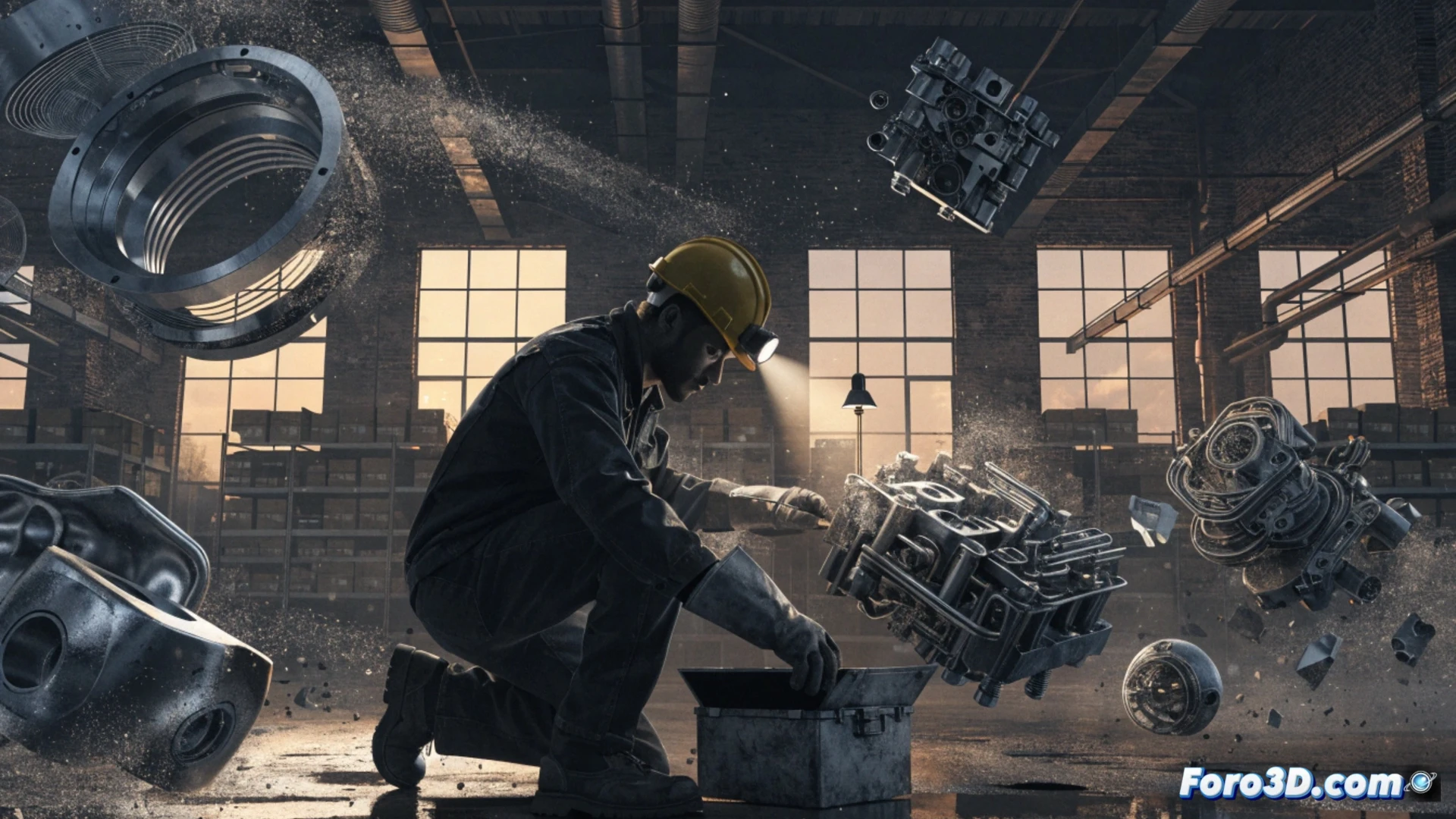
How 3D modeling reduces trips to the warehouse and headaches 🔧
The traditional fitter usually goes to the warehouse three times because the part doesn't fit or a bracket is missing. With 3D, an exact digital mockup of the workshop or plant is generated. Programs like Tekla Structures allow modeling steel and concrete, while Revit integrates installations. The fitter can check the position of each anchor from a tablet, avoiding measurement errors. Additionally, augmented reality tools like Trimble Connect overlay the model onto the real worksite. The result: less rework and more time for coffee, which is always welcome.
The day a fitter asked for his sandwich to be modeled too 🥪
Because yes, now you can simulate the assembly of a beam before touching it, but the site foreman still asks you to pass the wrench instead of a .stp file. A colleague tried to convince the boss that the 3D model predicted where the nut would fall. The boss told him he'd better predict where his salary would fall if he didn't tighten up quickly. Technology helps, but no one has yet modeled a model that knows when to shut up and hand over the hammer. That, my friend, is still an art.