In 1980s Germany, Dr. Kenzo Tenma, a Japanese neurosurgeon, decides to operate on a child instead of an influential politician. That act of medical ethics triggers a chain of murders that crosses all of Europe. Naoki Urasawa's work is not a simple thriller; it is a profound study of evil, identity, and the consequences of our decisions.
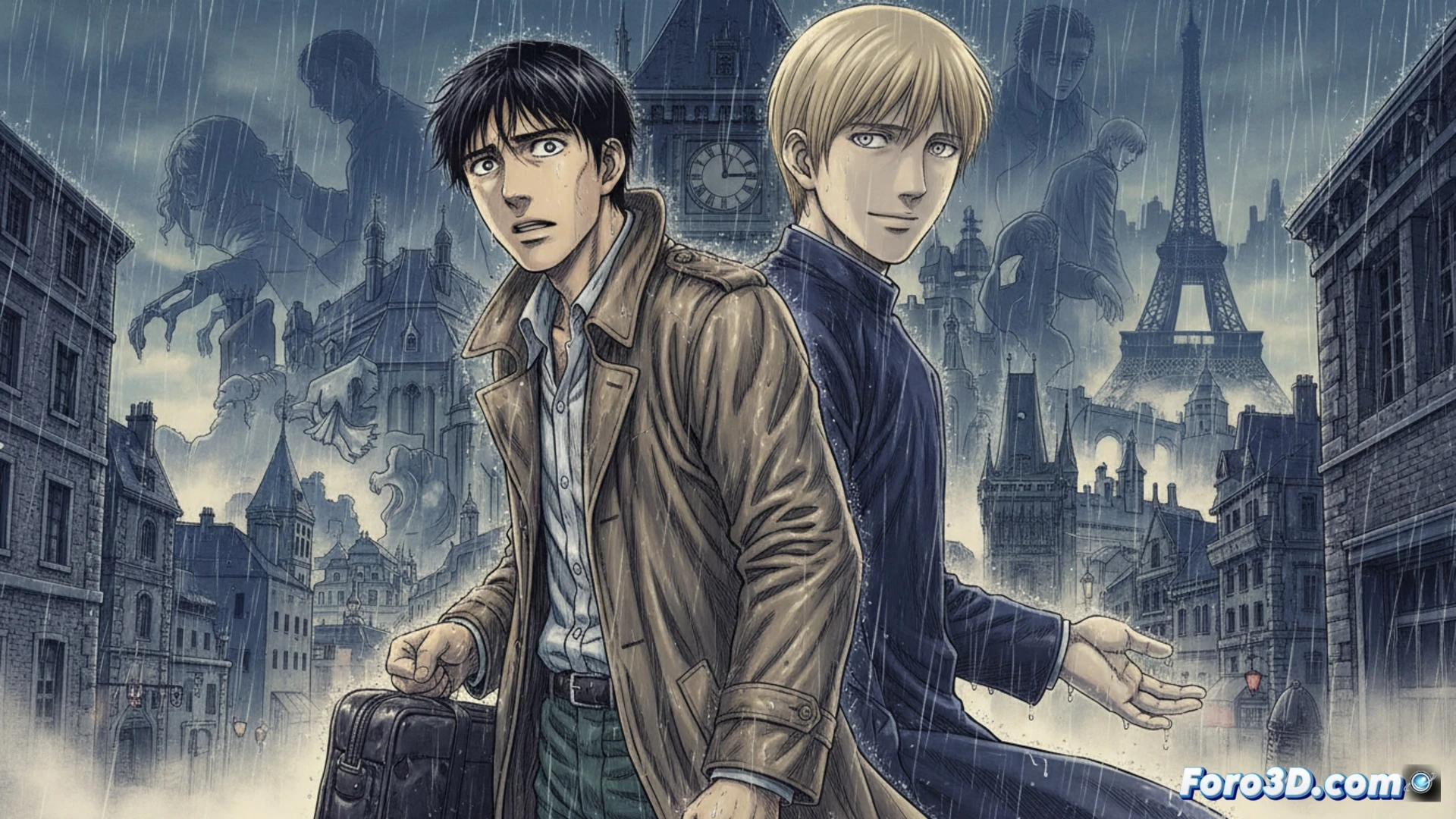
The narrative pulse: from drawing boards to digital animation 🎬
Urasawa builds tension with an almost cinematic mastery of framing and rhythm. In its anime adaptation, Masayuki Kojima's direction respects that slow but relentless pace, using close-ups and silences that amplify the paranoia. The animation, though restrained in movement, stands out for its facial expressiveness and the use of hyper-realistic backgrounds of European cities, achieving an oppressive atmosphere without resorting to superfluous digital effects. Each episode is a clockwork mechanism.
How not to raise a genius: a survival manual for parents 🧠
If your child is a prodigy who dissects ants and talks about Nietzsche at age 10, you might want to check their medical history. Johan Liebert is not a typical villain; he is living proof that a traumatic childhood plus a high IQ can generate continental chaos. The lesson: sometimes, a child prodigy doesn't need a tutor, but a therapist with a lot of experience.