Salt and Sanctuary is not only a benchmark for 2D souls-likes, but also an example of how an open-source engine like MonoGame can enhance a coherent artistic vision. Developed by Ska Studios, the game forgoes technological luxuries to focus on an oppressive and gritty atmosphere. This article analyzes the graphical pipeline and technical decisions that allowed a small team to achieve a constant sense of weight and an unmistakable visual style, offering valuable lessons for any indie developer. 🎮
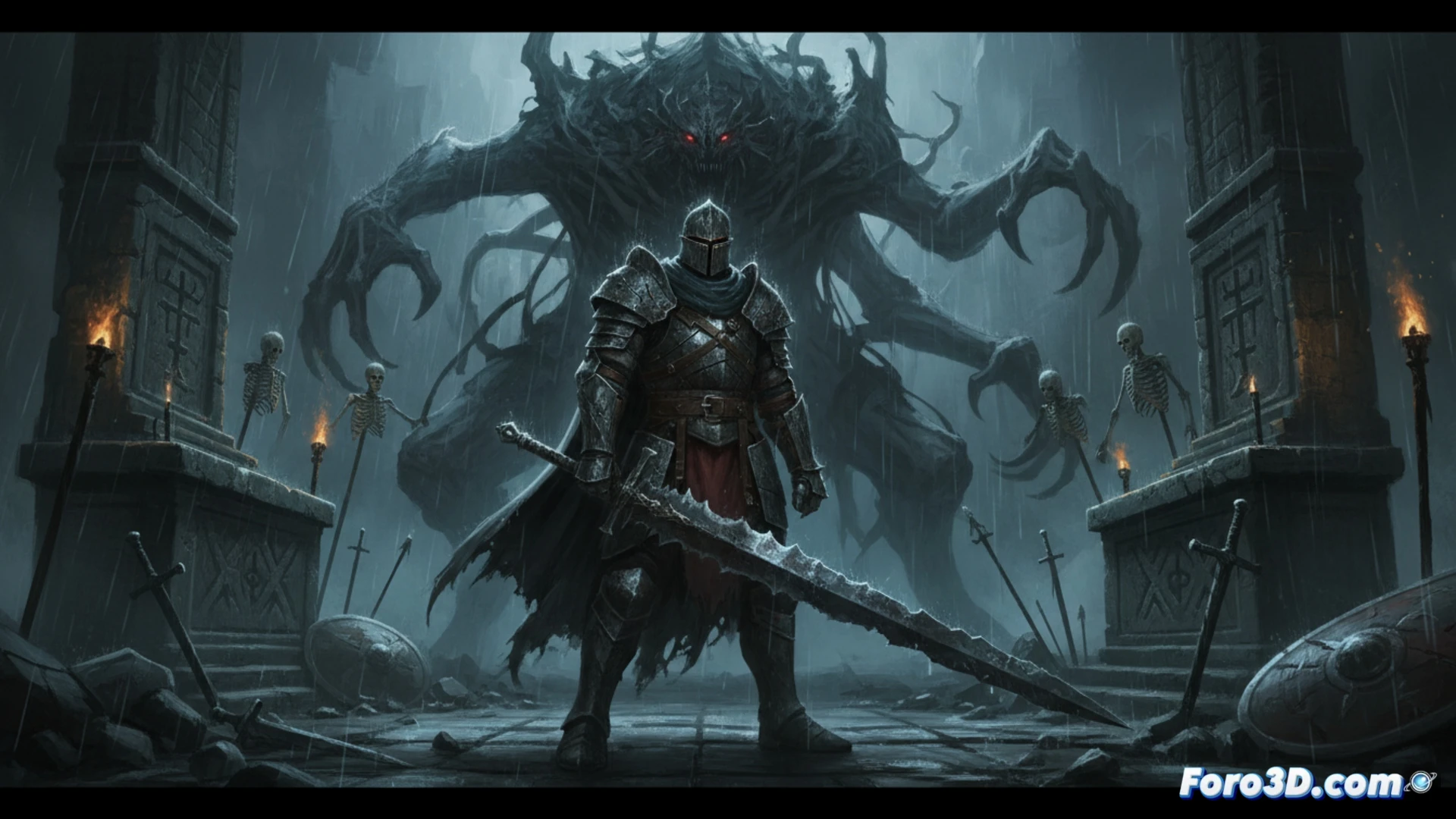
Graphical Pipeline: From Photoshop to Pixels with Weight 🖌️
MonoGame, being a framework based on C# and OpenGL, offers absolute control over rendering without the heavy abstractions of engines like Unity. For Salt and Sanctuary, this was key. Assets were created in Photoshop with a limited palette and low-resolution textures, prioritizing contrast and hard shadows. The technical pipeline involved exporting sprites in separate layers so that MonoGame could manage batch drawing and apply simple post-processing effects, such as a color curve adjustment that darkened the edges. The absence of dynamic lighting was compensated for by manual shading on each sprite, creating a visual coherence that reinforces the feeling that the world is a hostile and solid place. Unlike more automated 2D engines, MonoGame allowed Ska Studios to optimize each frame without performance surprises, maintaining a stable 60 fps even on modest hardware.
Lessons for Indies: Coherence Over Complexity 💡
The key to Salt and Sanctuary's success lies not in the raw power of the engine, but in the unified artistic direction. For independent developers, the case demonstrates that choosing a framework like MonoGame can be more effective than an all-in-one engine if you have clear control over the art and game logic. The feeling of weight comes not from real-time shadows, but from claustrophobic level design and animation that prioritizes impact over the number of frames. If you're looking for a raw and coherent style, invest time in defining a restrictive color palette and manual post-processing. MonoGame gives you the canvas; you paint the atmosphere with every pixel.
As an indie developer, what are the main technical challenges in replicating the heavy and atmospheric aesthetic of Salt and Sanctuary with MonoGame, especially in lighting, animation, and combat physics?
(PS: a game developer is someone who spends 1000 hours making a game that people complete in 2)