3D technology allows chocolatiers to create molds with impossible geometries for a wooden spoon. From hyper-realistic figures to internal textures that release surprises when bitten, 3D printing with food-grade resin or silicone eliminates the limits of manual carving. A clear example: a chocolate bonbon mold with a hidden chamber that releases liquid caramel only when the outer chocolate layer is broken, a detail that previously required weeks of trial and error.
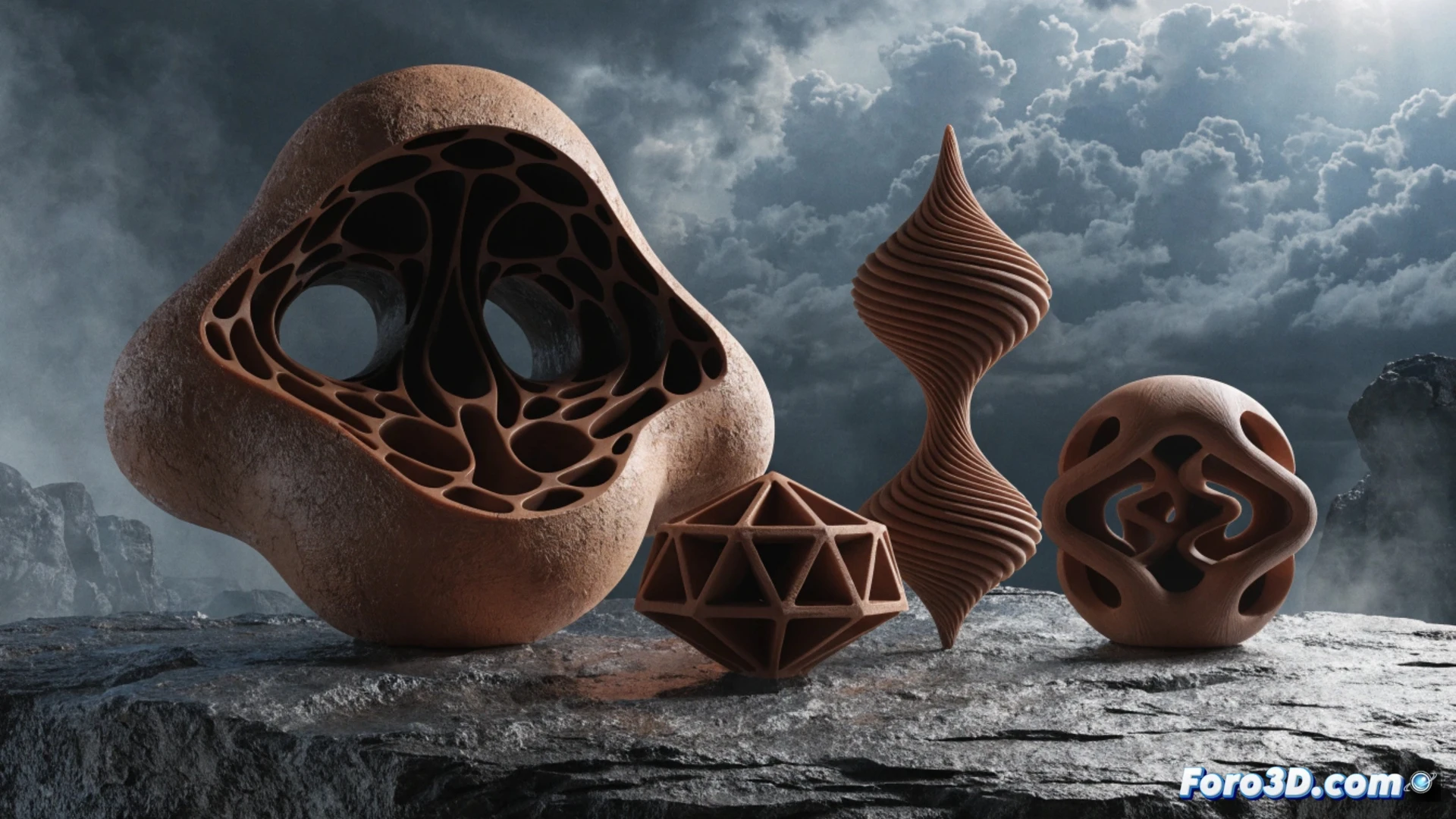
Workflow: from digital design to final mold 🍫
The process begins with 3D modeling in programs like Blender (free) or Fusion 360 for parts requiring tight tolerances. For complex organic surfaces, ZBrush allows sculpting details like cocoa veins or fruit folds. The STL file is then exported to a slicer like Chitubox, which generates the layers for resin printers like the Anycubic Photon M3. The key material is food-contact certified resin, which after UV curing is used as a negative to pour platinum silicone, creating the final flexible mold suitable for culinary use.
The drama of the first demolding or how to cry over chocolate 😅
Of course, it all sounds great until your printer decides to pay homage to Dalí and prints a crooked mold. Then you discover the food-grade resin smells like cheap glue and the couverture chocolate sticks to the mold like a toxic ex. Solution: apply mold release spray until the workshop looks like an ice rink and pray the piece doesn't break when you take it out. But when it comes out perfect, you feel like Willy Wonka with a WiFi connection.