A scientific team has developed a three-dimensional experimental model that recreates the environment of human fertilization. This system allows the study of the union of the egg and sperm with an unprecedented level of detail, mimicking the physical and chemical conditions of the female reproductive tract, such as viscosity and tissue structure.
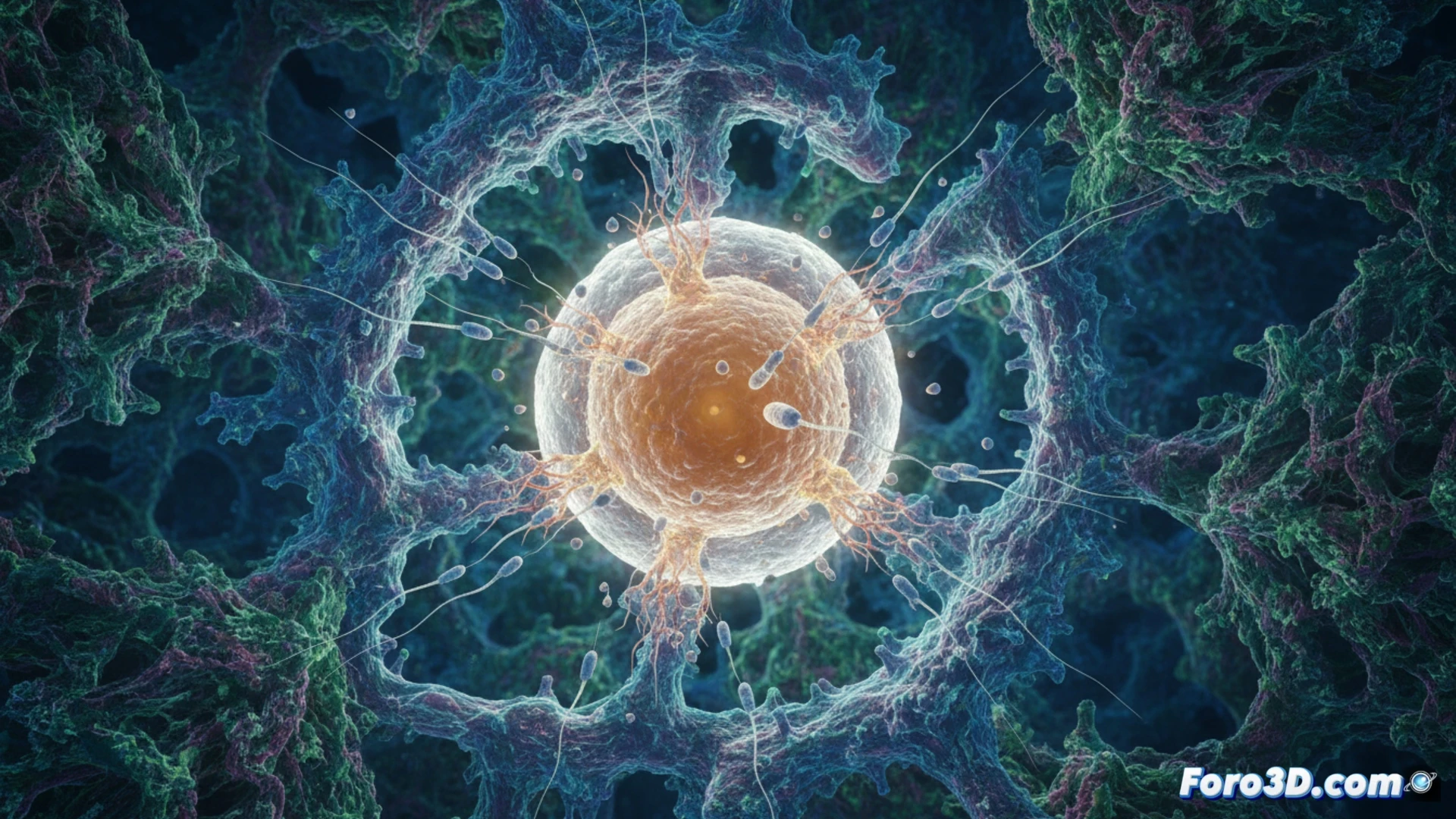
Technology that mimics the sperm's journey 🧬
The model uses biocompatible materials to simulate the three-dimensional architecture of the fallopian tubes. Researchers can observe how sperm move, navigate obstacles, and orient themselves toward the egg in an environment more realistic than traditional laboratory plates. This advancement allows analysis of failures in sperm motility or cell interaction, providing concrete data to adjust assisted reproduction techniques, such as IVF, without resorting to direct embryo testing.
Less drama, more science: the egg no longer waits on a plate 🥚
Finally, sperm have a stage worthy of their epic journey, instead of that boring Petri dish where they seemed to be in a plastic pool. Now they swim with obstacles, real viscosity, and even a set that mimics the fallopian tubes. All very nice, but surely the sperm miss asking for directions instead of following the chemical trail. That said, at least now they will have an excuse if they get lost: the 3D model.