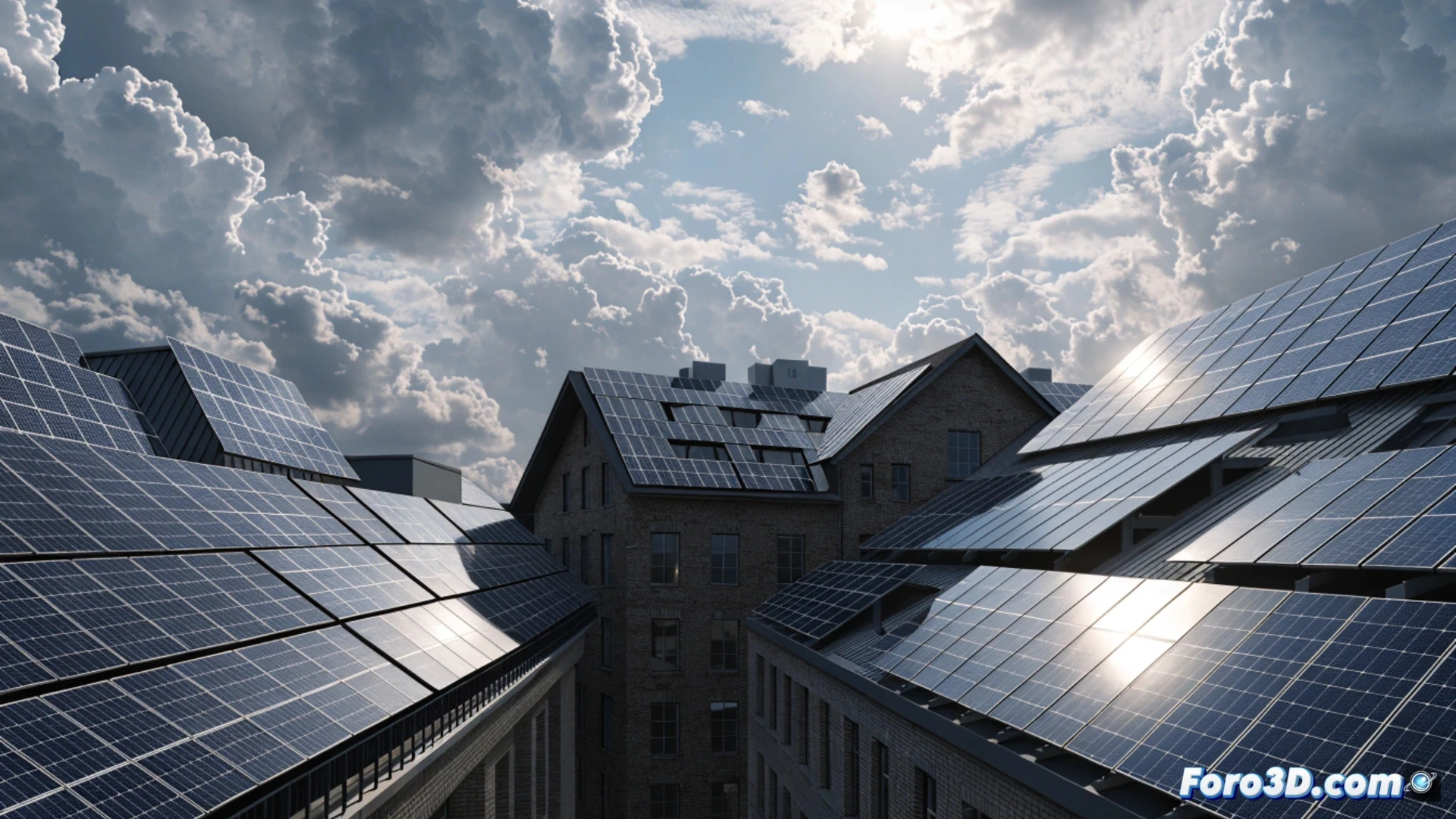
3D technology allows photovoltaic solar technicians to visualize installations before stepping onto the roof. With precise digital models, shading errors are avoided and panel angles are optimized. A clear example is shadow analysis on a 3D plan, which prevents a tree or chimney from ruining production. This saves time and costs in redesign.
Key software for design and simulation 🛠️
To work in 3D, the solar technician needs specific tools. SketchUp allows modeling the roof structure and placing panels with precision. Helioscope or PVsyst integrate radiation and shadow simulations in 3D, calculating real production. Autodesk Revit is useful for large projects requiring coordination with other trades. The workflow involves exporting the model to calculation software and then to 2D plans for installation.
And if the sun doesn't come out, you can always blame the 3D model ☀️
Of course, nothing like a perfect 3D model for the client to say: but here in reality it doesn't fit. The solar technician knows that the software doesn't foresee the neighbor's cat climbing onto the panel or the dust cloud arriving right at peak hour. But at least, when the installation fails, you can blame the 3D model and not your lack of coffee. Technology helps, but it doesn't fix bad luck.