3D technology allows an energy engineer to visualize and optimize complex systems before building them. For example, when designing a solar plant, solar radiation on the terrain can be simulated and the shadow from nearby buildings can be calculated. This avoids costly errors and improves the actual energy performance of the installation.
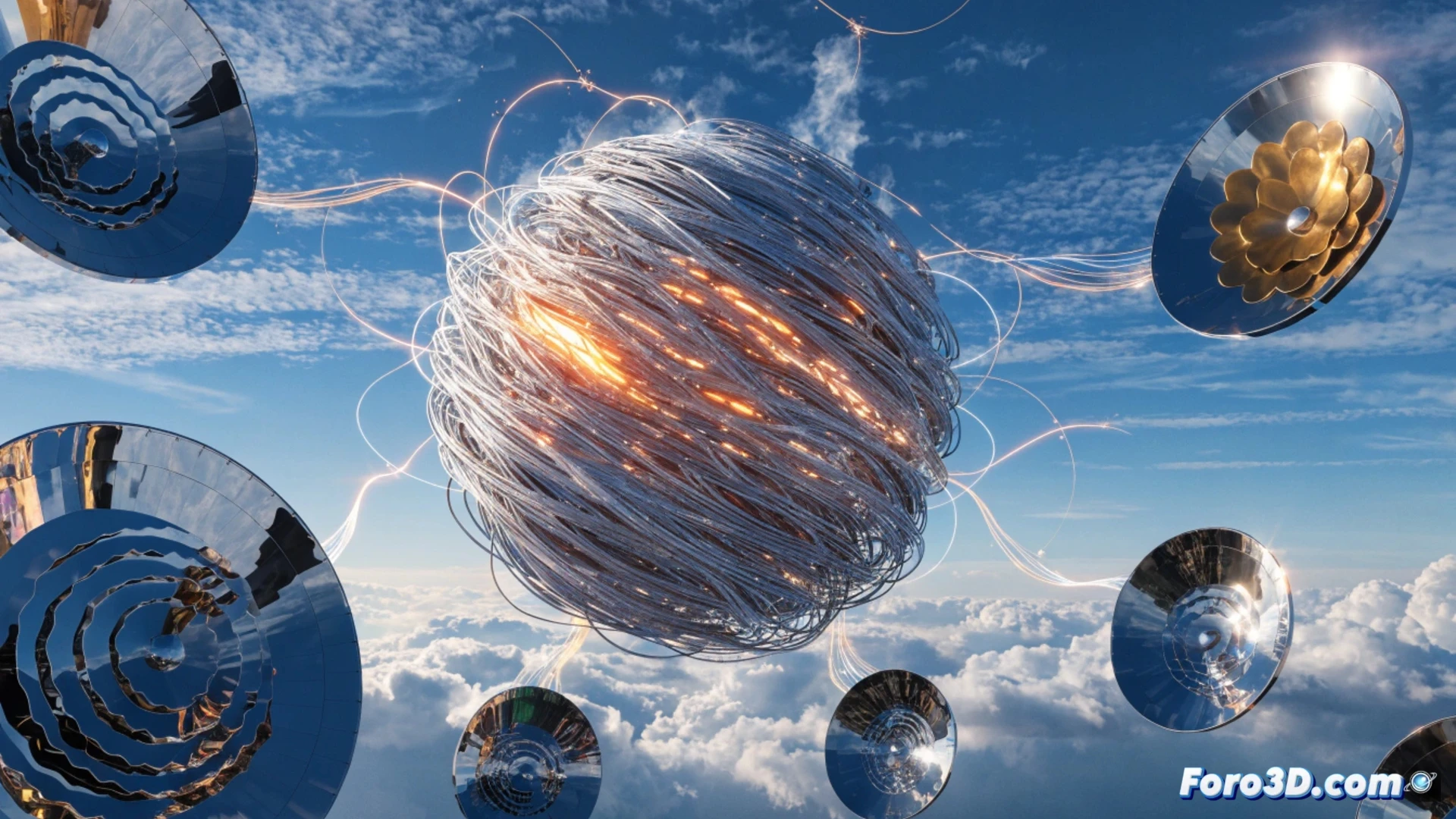
Thermal simulation and 3D fluid flow 🌡️
For this type of analysis, programs like Autodesk Revit or SolidWorks allow modeling heat exchangers and ducts. With CFD (Computational Fluid Dynamics) tools such as ANSYS Fluent or OpenFOAM, airflow and heat transfer are simulated. PVsyst is also used for photovoltaic simulation and SketchUp for rapid terrain modeling. The result is a digitally validated design, reducing physical prototypes.
When 3D saves you from an existential short circuit ⚡
Because nothing says I am a modern engineer like redesigning an electrical substation in 3D and discovering that the transformer fits exactly where you placed the coffee machine. At least the simulation warns you before your boss asks for explanations about why the building smells like burnt coffee and sparks. 3D modeling doesn't prevent bad situations, but it does ensure they aren't your fault.