Infinity Nikki redefines the open-world genre by merging exploration with a deep focus on digital fashion. The title, developed in Unreal Engine 5, not only presents a vibrant world but also sets a new standard in cloth physics and material simulation. The key to this realism lies in the combination of professional textile design tools and real-time rendering systems, offering a visual experience that rivals virtual haute couture. 👗
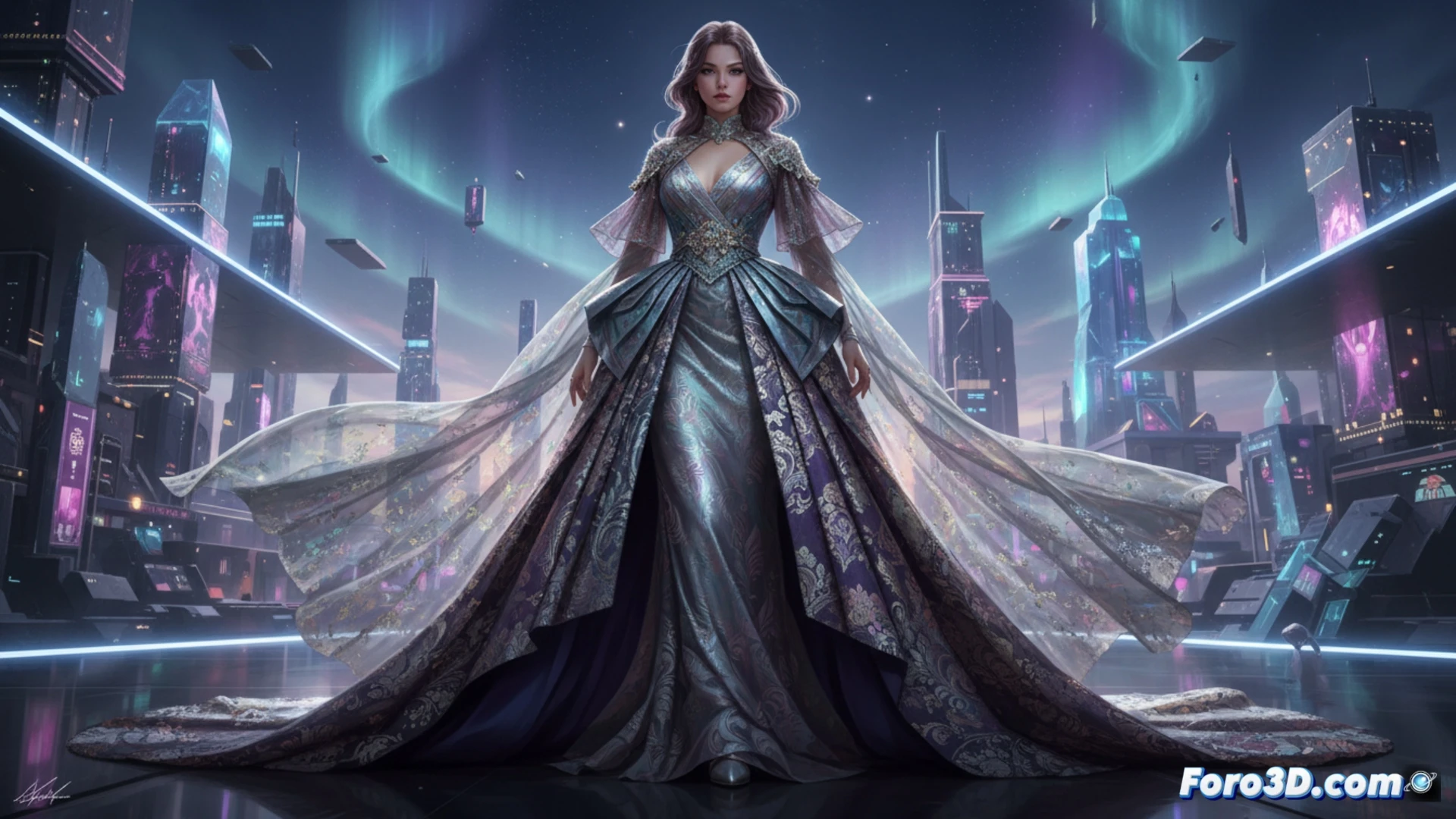
Technical workflow: from Marvelous Designer to Lumen 🧵
The costume creation process in Infinity Nikki begins in Marvelous Designer, where artists model patterns and seams with millimeter precision, simulating the real behavior of fabrics such as silk, wool, or lace. Subsequently, these garments are exported to Houdini to generate dynamic effects, like the fluid movement of skirts and capes when running or jumping. Inside Unreal Engine 5, the Lumen system handles global illumination, allowing PBR (physically based) materials to react naturally to ambient light and reflections. The shading of fabrics is refined in 3ds Max, while textures are detailed in Adobe Photoshop, ensuring that every fold and sheen is consistent with the game world. This integrated workflow allows characters to wear outfits that deform and flow as if in a real runway show.
The impact of textile simulation on interactive fashion ✨
The 3D fashion industry is closely watching how Infinity Nikki applies cloth physics simulation techniques in an interactive context. Beyond the video game, this approach demonstrates that tools like Marvelous Designer and Houdini can bridge the gap between conceptual design and real-time visualization. For digital textile professionals, the title is not only a technical showcase but also a validation that high-fidelity cloth simulation is viable in game engines, opening doors to virtual prototypes, interactive runways, and digital twins of fashion collections.
As a 3D fashion technical artist, what specific limitations and solutions of Unreal Engine 5 should I consider to achieve the textile realism that Infinity Nikki displays in its flowing fabrics and dynamic real-time lighting effects?
(PS: Designing fashion in 3D has the advantage that you never have to sew a button.)