The development of Mio: Memories in Orbit demonstrates that visual complexity is not a requirement for gameplay depth. This sci-fi metroidvania bets on functional minimalism where every graphic element has a purpose: to guide the player. Behind this aesthetic precision lies Unity, handling lightweight 2D and 3D assets, while Illustrator and Photoshop provide the vector base for clean, scalable art.
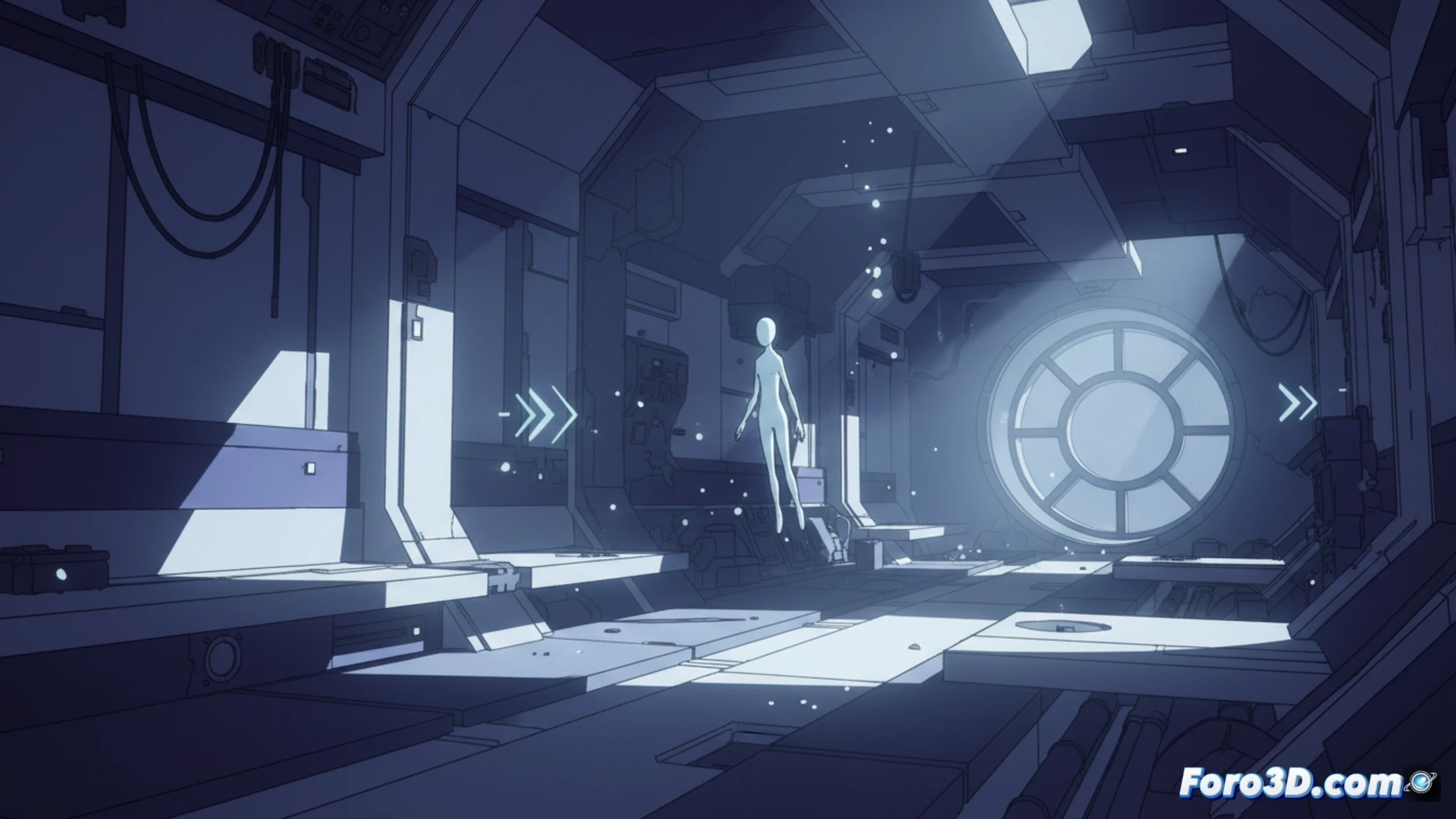
Asset optimization and lightweight shaders for chromatic navigation 🎨
For a metroidvania, map readability is critical. In Mio, color acts as a navigation language. From Unity, developers integrated 2D sprites with simple 3D geometry for backgrounds, maintaining a low draw call. Vector art, exported from Illustrator to optimized PNG format, is combined with lightweight shaders written in Shader Graph. These shaders apply a subtle gradient and a soft outline, avoiding heavy post-processing effects. The result is a limited palette that highlights interactive objects, doors, and paths without overwhelming the player, a key lesson for indies seeking visual clarity without sacrificing performance.
Indie lessons: design for function, not for ornament 🎯
The aesthetic choice of Mio is not accidental; it is a design decision that reduces cognitive friction. By using Photoshop for interface textures and patterns, and Illustrator for reusable vector elements, the team optimized the workflow. In Unity, layer organization and the use of Tilemaps allowed for rapid iteration. The lesson for independent developers is clear: a minimalist visual style, when supported by precise chromatic navigation, not only saves technical resources but also improves the gameplay experience by making every color a silent instruction for the player.
How is performance optimized in Unity to achieve consistent fluidity in a minimalist metroidvania without sacrificing precision in controls and collision detection?
(PS: a game developer is someone who spends 1000 hours making a game that people complete in 2)