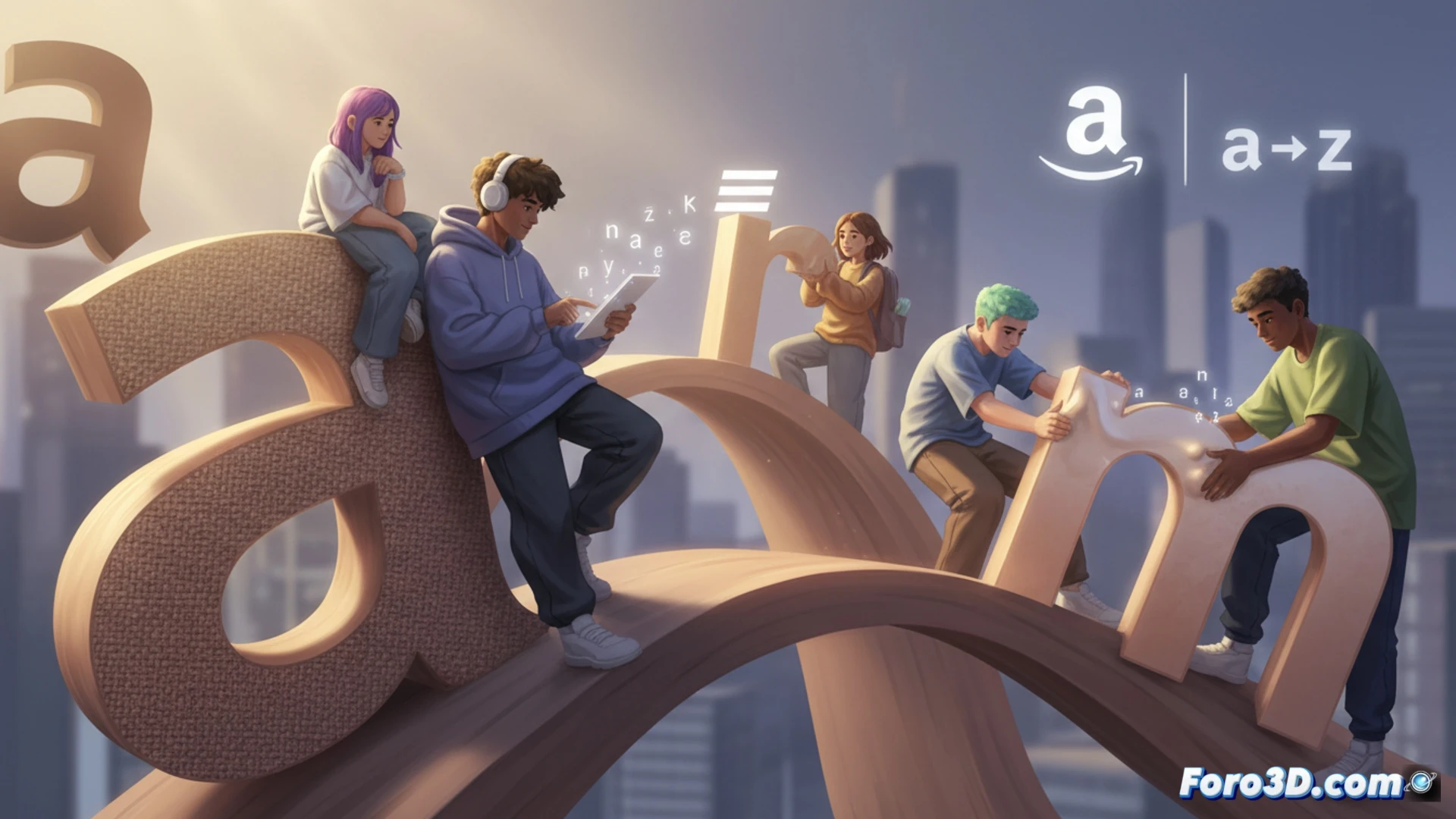
Lowercase typography has become a global phenomenon, with an 87% increase in searches in just three months. Driven by Generation Z, this trend seeks to convey warmth and authenticity, in contrast to the authoritarian coldness of uppercase letters. Brands like adidas and Amazon have already adopted this style to humanize their image and connect with young people, although the challenge lies in not alienating older audiences, who are more accustomed to the formality of capital letters.
Data and conversions: the real impact of lowercase 📊
The numbers support the change. Research indicates that an appropriate typographic choice can increase positive consumer response by up to 13% and conversions by 35%. From a web development standpoint, implementing a lowercase typography system is not complex: simply adjust the CSS properties with text-transform: lowercase, or directly modify the branding assets. However, the real technical challenge lies in maintaining readability on small screens and ensuring that visual hierarchy is not lost when removing capitals from titles and headings.
Dear executives, lower the tone (literally) 😅
The most curious aspect of this trend is that, while young people see lowercase as a gesture of closeness, marketing departments over 50 interpret it as a declaration of war against spelling norms. Picture the scene: a CEO receiving a sales report written entirely in lowercase and thinking their team has lost their mind or, worse yet, that their keyboard has been hacked. In the end, what is authenticity for some is simple typographic laziness for others. But hey, if Amazon does it, there must be a reason.