A new technique based on organoids, small artificial organs created in 3D, promises to increase success rates in assisted reproduction. These models mimic reproductive tissues, allowing the study of key processes such as embryonic implantation in a controlled environment, reducing reliance on animal testing.
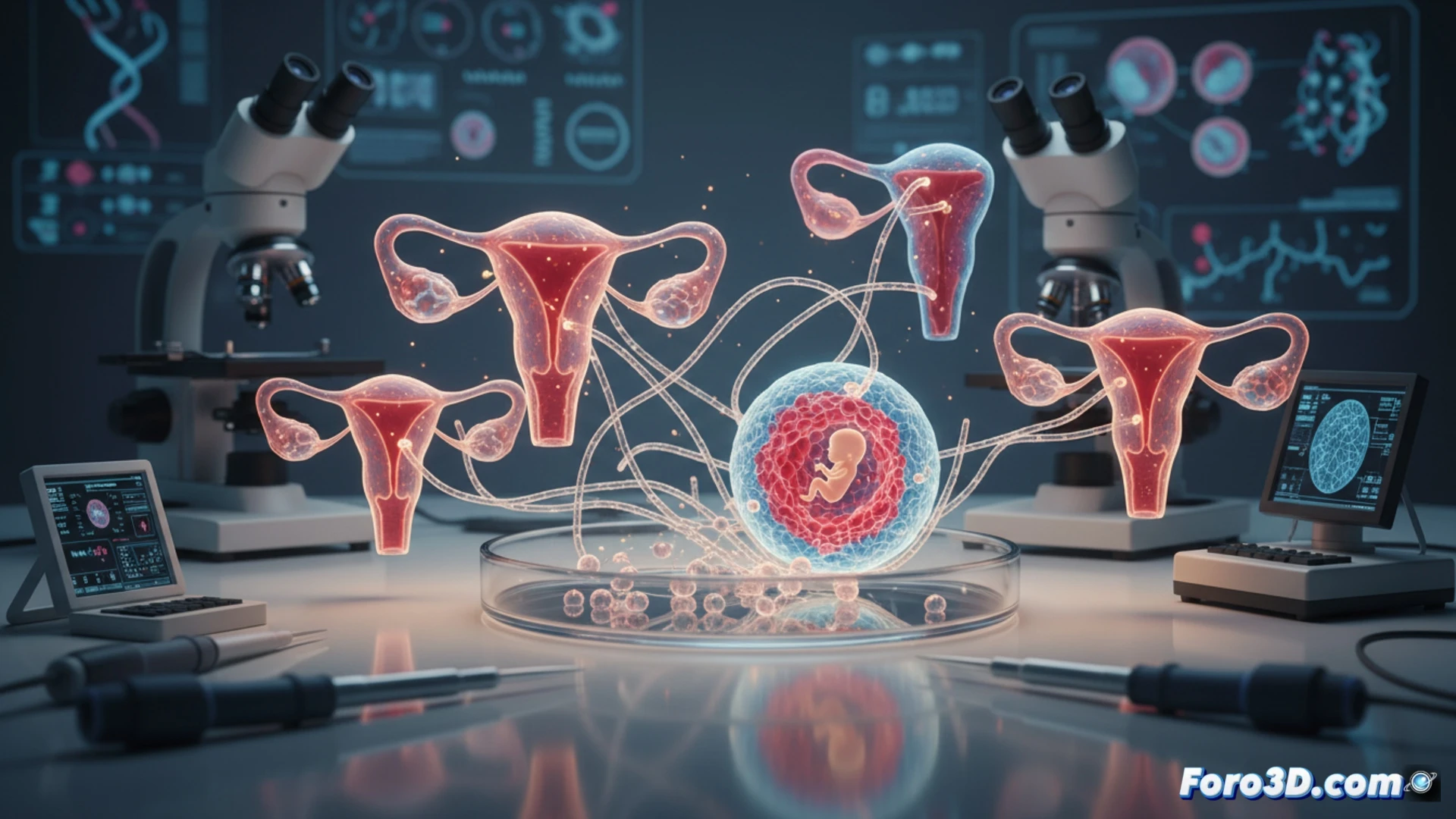
How the miniature tissue lab works 🧪
Organoids are grown from stem cells and replicate the structure and function of tissues such as the endometrium. This allows for analyzing cellular interactions and testing personalized treatments without the need for real embryos. The technology offers a precise testing ground to adjust drugs and conditions, increasing the efficiency of procedures by simulating the uterine environment with high fidelity.
Goodbye to luck, hello to mini lab wombs 😂
Finally, assisted reproduction is no longer a mix of science and lottery. Now, instead of praying for the embryo to implant, we can blame a poorly trained organoid. Of course, if these mini organs start asking for days off or complaining about their salary, we'll have to renegotiate the employment contract.