3D technology has transformed mining engineering by allowing deposits to be modeled with millimeter precision. A clear example is the creation of physical replicas of complex mineral veins, where engineers can simulate excavations and test ground stability before moving a single truck. This reduces risks and costs in extraction projects.
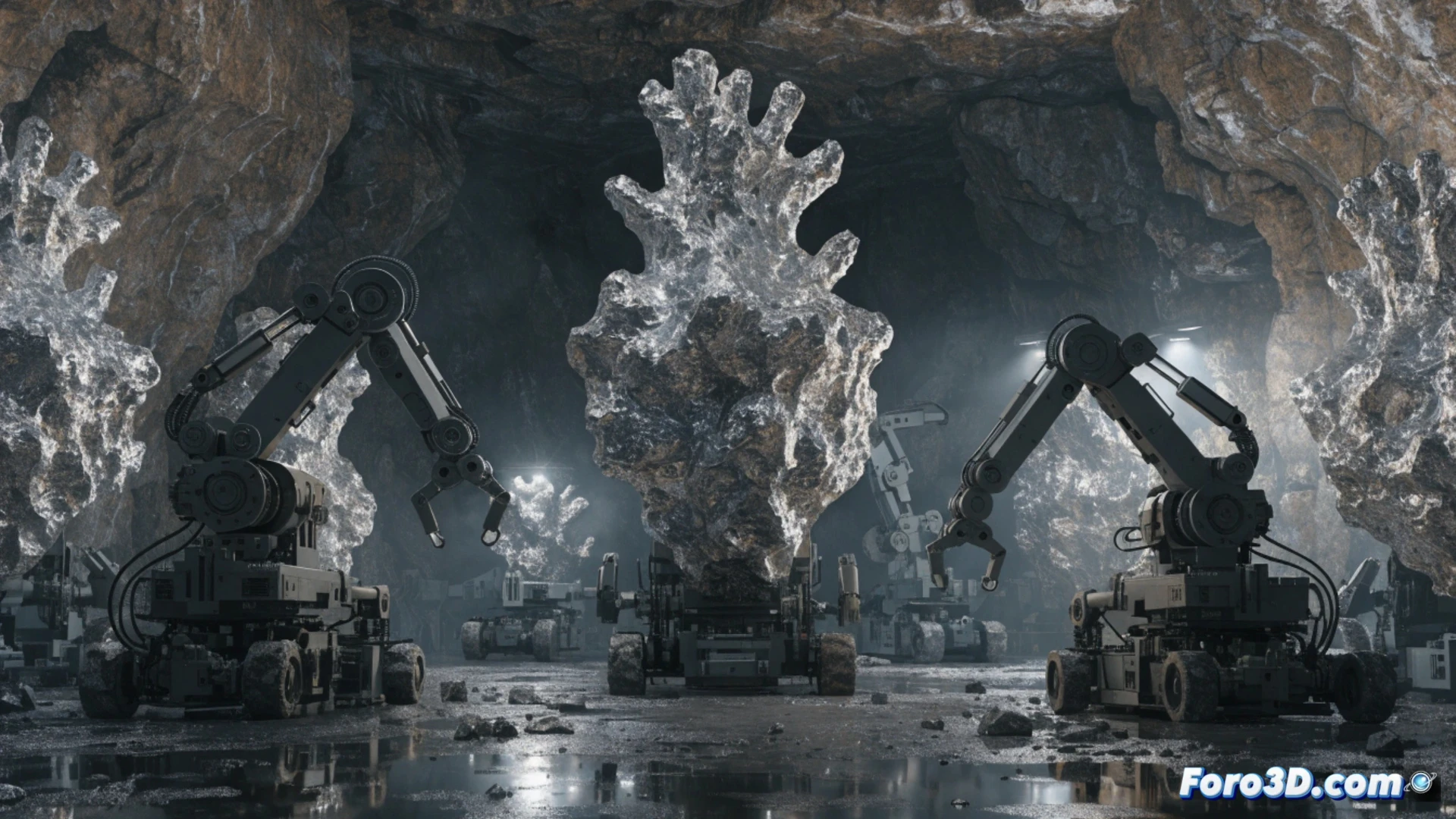
Scanning and simulation: the dynamic duo of the subsurface 🛠️
To work in this field, programs like Leapfrog Geo, which models mineral deposits in 3D from drilling data, and Vulcan, which allows designing open pits with stability analysis, are needed. Combined with LiDAR scanners, engineers capture the real terrain and convert it into digital models. Then, 3D printers like FDM or SLA materialize that data into tactile models for planning blasts or designing access tunnels.
When the 3D printer saves you from a collapse (and the boss) 💥
Imagine the engineer explaining to the director that he needs to close the mine for two weeks to run stability tests. With a 3D model printed in plastic, he just needs to crush a replica of the roof while saying: Look, this is where it all falls down. The director, impressed, approves the budget without a fuss. Thus, 3D technology turns a geologist into a magician and a technical report into a parlor trick. Of course, just don't drop the model on the floor: the realism hurts.