Miles Davis, born on May 26, 1926, transformed 20th-century music with his philosophy of constant reinvention. From bebop alongside Charlie Parker to postbop, his minimalist style, comparable to Picasso's in art, marked a before and after. His legacy as a trumpeter and discoverer of talent remains relevant.
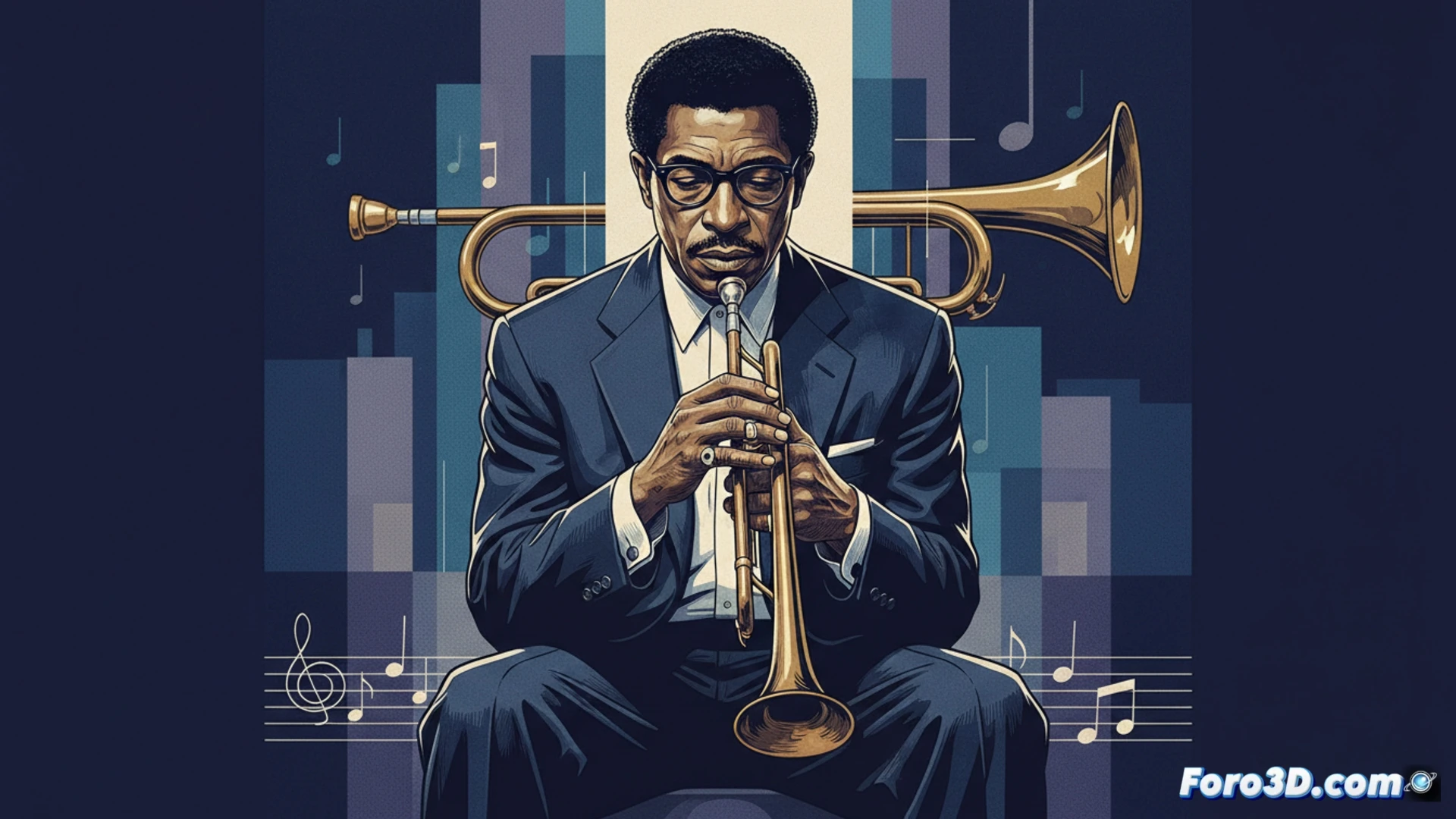
The technology of silence: how Davis programmed jazz 🎷
In the 50s, Davis applied an almost algorithmic approach to improvisation. His concept of less is more worked as a filter for superfluous notes, prioritizing space and rhythm. In Birth of the Cool, he orchestrated arrangements that anticipated modal jazz, a flexible structure where each musician operated as a module. His recording of Kind of Blue in 1959 used modal scales, reducing harmonic complexity to expand melodic freedom. A lesson in sonic efficiency any developer would appreciate.
From heroin to hardware: the tour that rebooted his system 🔄
Davis overcame his heroin addiction after a tour in Paris, where he discovered that jazz could be more than a smoky club. There he immersed himself in film and philosophy, returning like a computer with new ROM. Years later, when he embraced electric jazz, the purists wept. But he, like a good hacker, knew the system needs updates. It wasn't a bug: it was a feature.