From the beaches of northern France, near Dunkirk and Calais, hundreds of migrants risk their lives every week in inflatable boats organized by trafficking networks. Those who manage to cross the English Channel arrive in coastal areas of southeastern England, while in Calais the camps continue to grow in industrial estates and forests. French authorities have intensified pressure: 19 people were imprisoned for operating a smuggling network on the northern coast.
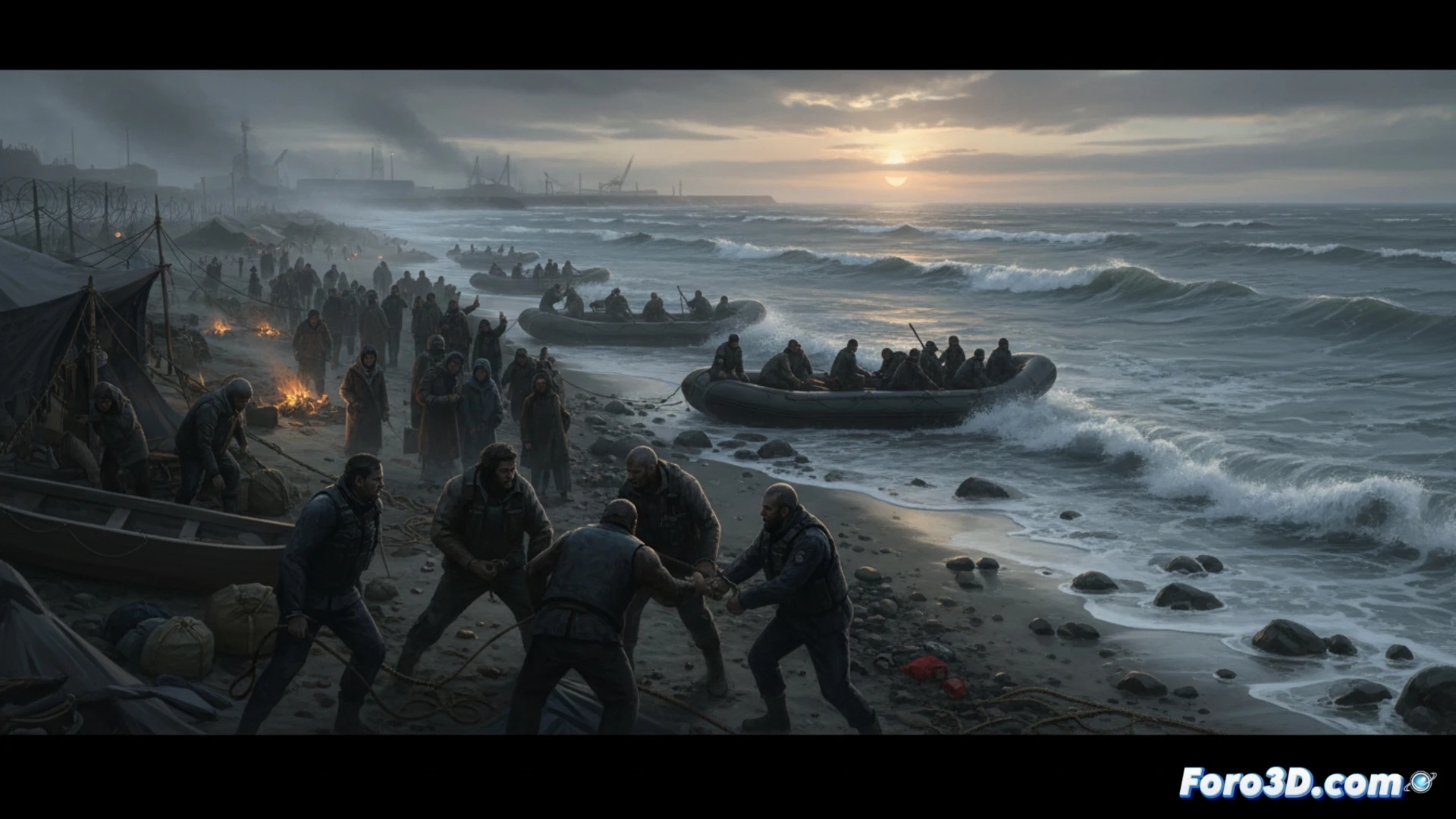
Technology against trafficking: surveillance and route analysis 🛸
The French police have integrated drone surveillance systems and thermal cameras to detect nighttime boat launches. Additionally, mobile phone data analysis allows tracking of organizers, who use encrypted applications to coordinate the trips. However, the geography of the coast, with dunes and cliffs, makes interception difficult. The networks adapt quickly: they change departure points and use smaller boats to evade radars, forcing response protocols to be updated every season.
The Channel's beach bar: all-inclusive crossing 🚤
Apparently, the migration package includes a boat, a life jacket, and a trip with sea views, but without a minibar or reclining seats. The traffickers, experts in low-cost logistics, promise a door-to-door service (if you understand door as a beach full of jellyfish in England). Meanwhile, in Calais the camps grow as if they were a low-cost resort, only without a pool or entertainment. Of course, the adventure includes an adrenaline bonus that no theme park offers for free.