A team of scientists has developed a synthetic cell microreactor that uses two DNA gates to release reagents sequentially and programmatically inside a vesicle. This system, detailed in Nature Chemistry, enables unprecedented spatiotemporal precision in tiny spaces, opening up possibilities in biomedicine and controlled chemical synthesis.
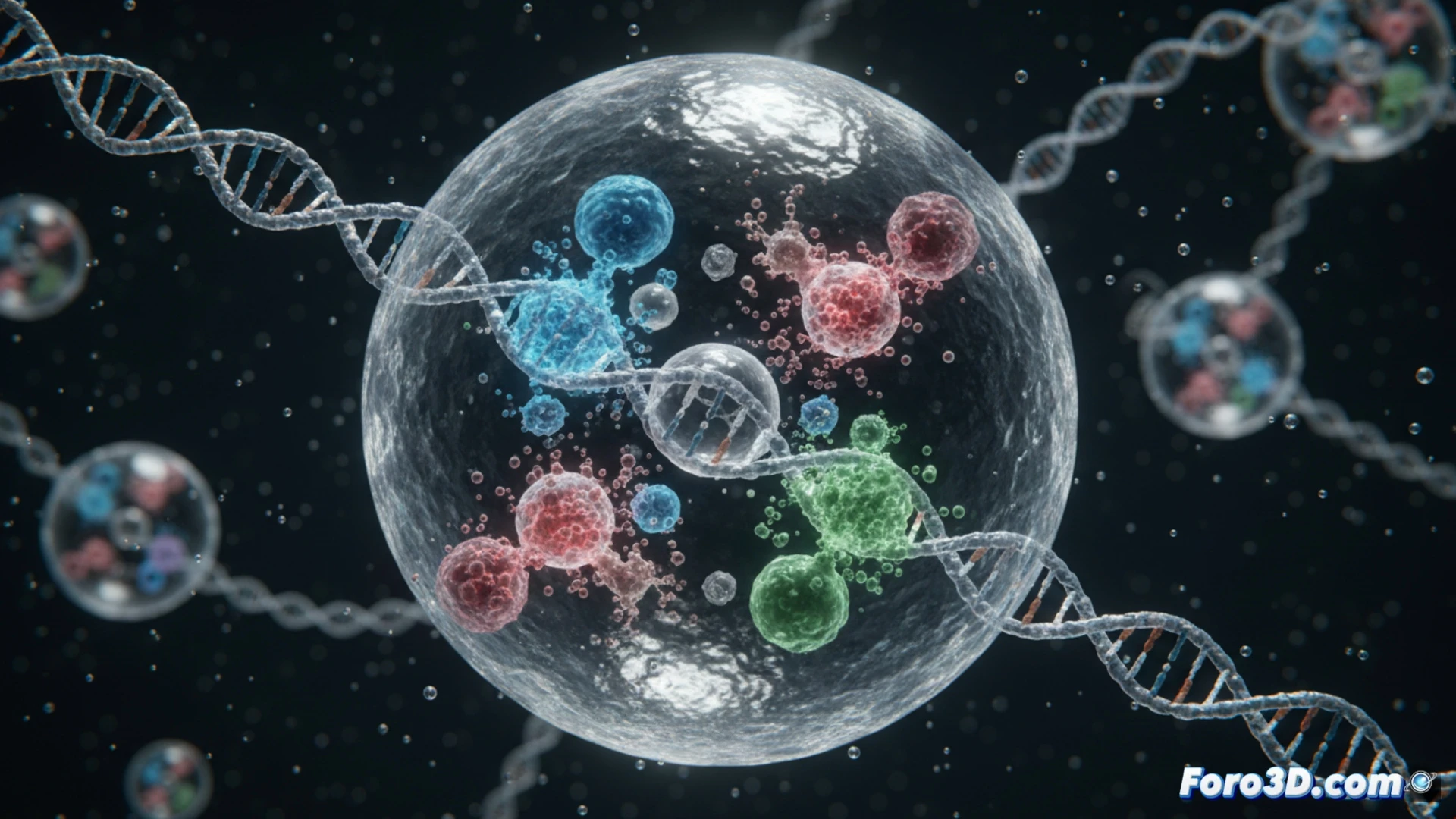
Molecular gates: DNA as a precision switch 🧬
The microreactor uses DNA strands designed to open in response to specific signals, activating the delivery of reagents in the exact order and timing. By integrating two gates, the researchers manage to sequence complex chemical reactions inside an artificial vesicle, mimicking cellular processes. This approach allows controlling the production of compounds in femtoliter volumes, a technical breakthrough that could be applied in drug manufacturing or sensors.
Goodbye to chemical cooking: now reagents don't mix on their own 🍳
Anyone who has tried to follow a cooking recipe knows that throwing all the ingredients in at once usually ends in disaster. Well, these scientists have achieved what many chefs cannot: that reagents are added in the correct order and without splashes. Now they just need to program the microreactor to also wash the dishes. Science advances, but the kitchen remains hostile territory.