Margaryta Yakovenko, a Ukrainian journalist, publishes Occupation, a book reconstructing over a century of family history in a war-torn region. Born in a city now under Russian control, the author avoids epic narratives and focuses on her grandfather, a man who did not die from a gunshot nor was a hero. His testimony represents the anonymous victims of a conflict that transforms daily life and family ties in a turbulent land.
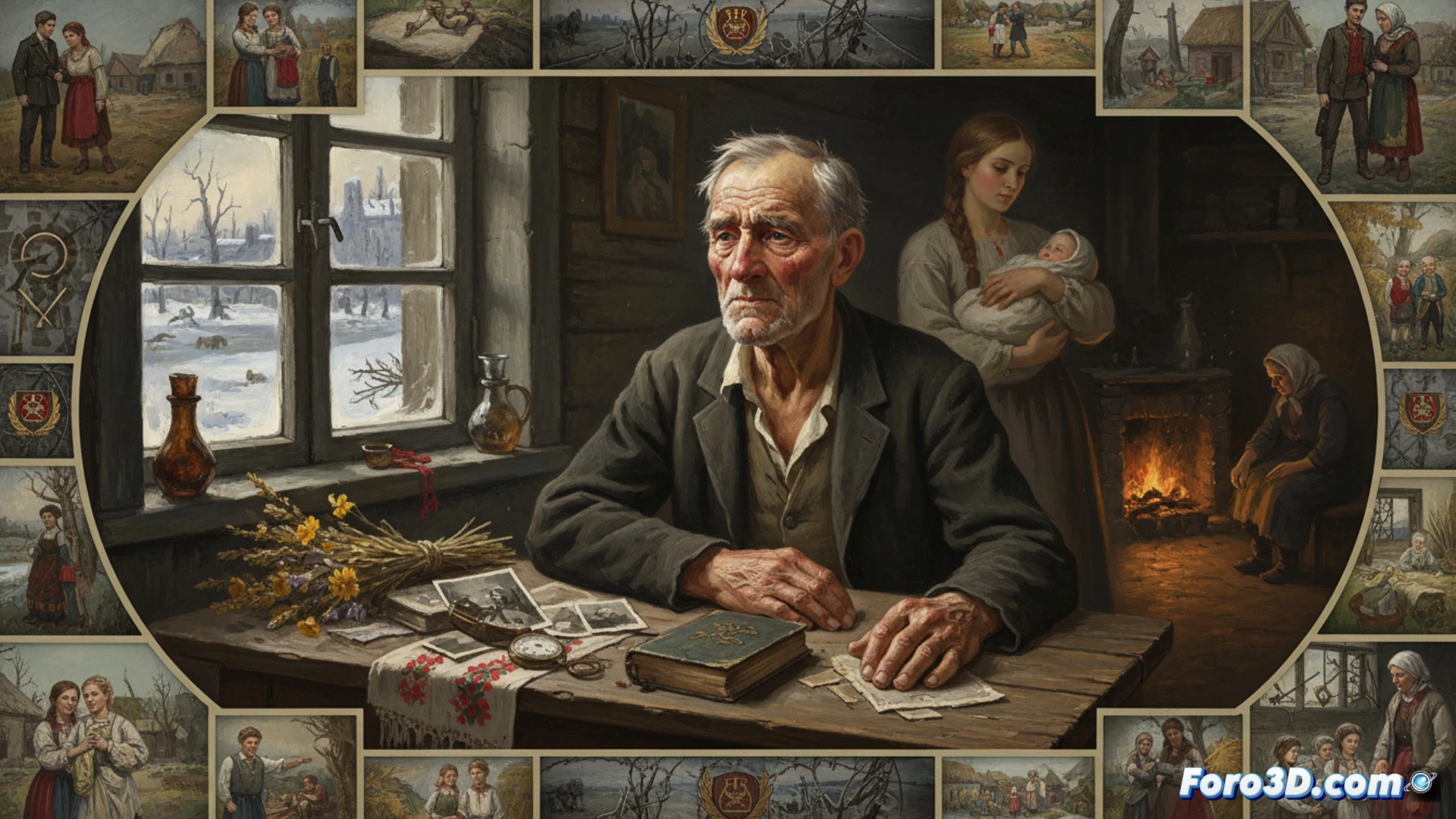
How Digital Technology Preserves War Memories 📜
Yakovenko uses digital tools to organize family archives, letters, and old photographs. The use of optical recognition software allows transcribing handwritten documents from the 20th century. Geolocation platforms help trace historical locations of her family in the occupied region. This technical process, similar to digital oral history projects, turns scattered memories into a structured narrative. Technology acts as a bridge between generations, preventing the noise of war from erasing anonymous voices.
Yakovenko's Grandfather: The Hero Who Wasn't 🧓
The author's grandfather did not jump on a grenade nor give an epic speech. His greatest feat was surviving Soviet bureaucracy and queues for bread. While headlines speak of generals and battles, he dedicated himself to what was truly heroic: keeping the vegetable garden alive and not losing patience with the neighbors. If war were an app, he would be the annoying bug that no one reports but without which the system collapses. An antihero by the book.