3D artist Max Bianchini, a member of the Platige Image studio, has developed a method to perfect character design based on a meticulous narrative and visual analysis. It's not just about modeling; Bianchini studies every element, from the position of a scar to the worn-out tone of a jacket, to decipher why a character manages to connect with the audience. His process draws from video games and anime, researching the background and intention behind each created figure.
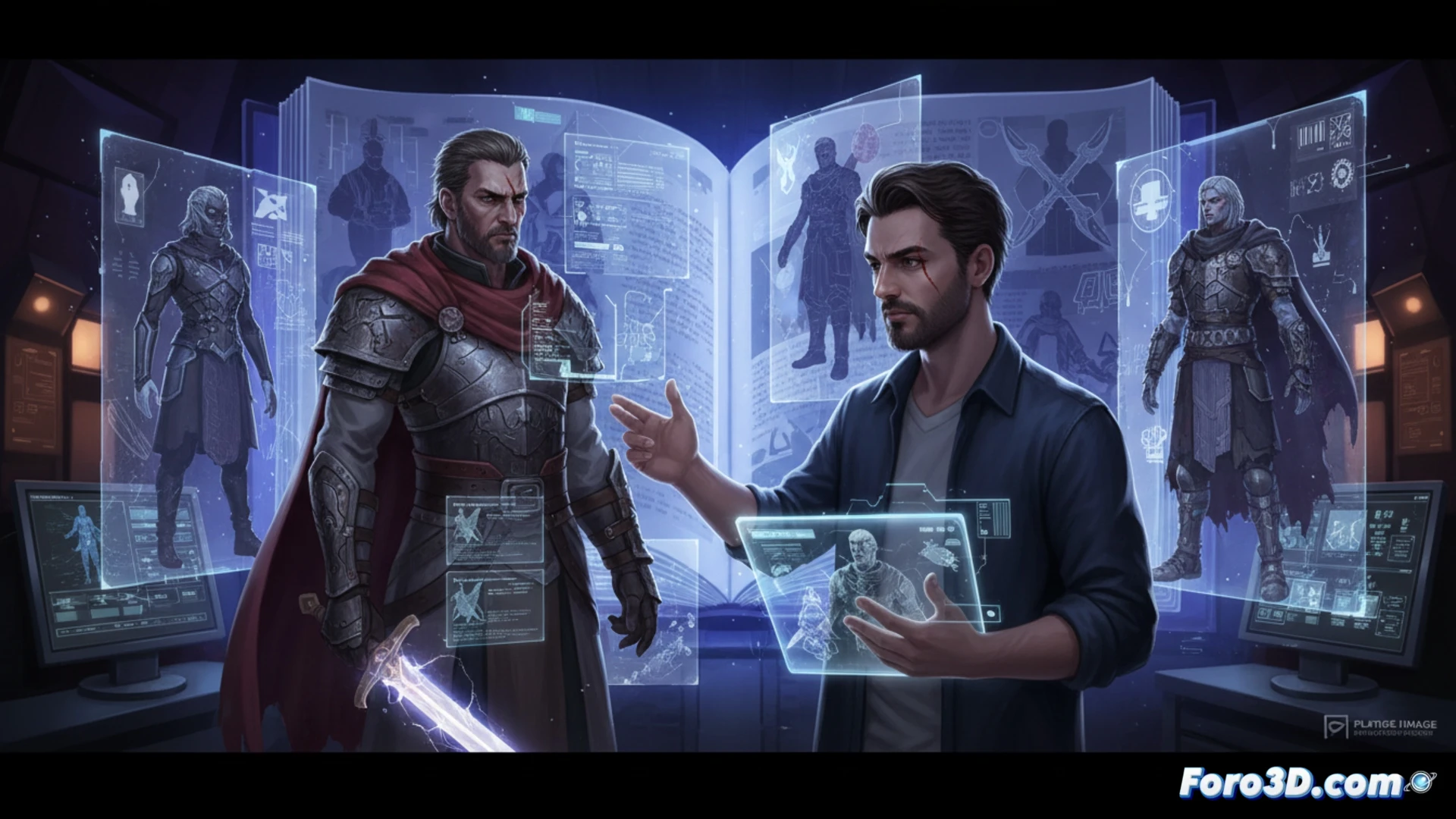
The technical analysis behind a tired look 🔍
Bianchini applies an almost forensic approach to modeling. He examines how fatigue in a facial expression can communicate a story without the need for dialogue, or how a muted color palette in a jacket reinforces the personality of an anti-hero. His technique involves breaking down visual references from games and anime to understand the constructive logic behind each fold or texture. This process not only improves design coherence but also allows the artist to anticipate how the viewer will react to the character, optimizing every detail to convey specific emotions.
When a misplaced scar ruins the hero's dinner 😅
Because yes, placing a scar in the wrong spot can turn a battle-hardened warrior into a guy who cut himself shaving. Bianchini knows that every scratch tells a story, and if you put a battle mark where a worry wrinkle should go, the character goes from being a veteran to a clumsy unlucky person. In the end, designing characters is like being a detective investigating why a samurai's left knee hurts, all because they didn't study his medical history in 3D.