Brand mascots have mutated. A cute puppy on the packaging is no longer enough; now they must have opinions, get involved in drama, and dance on TikTok. Duolingo turned its owl into a chaotic being that threatens to delete your streak, while Jake from State Farm handles insurance with memes. The new rule is simple: if you don't interact, you don't exist.
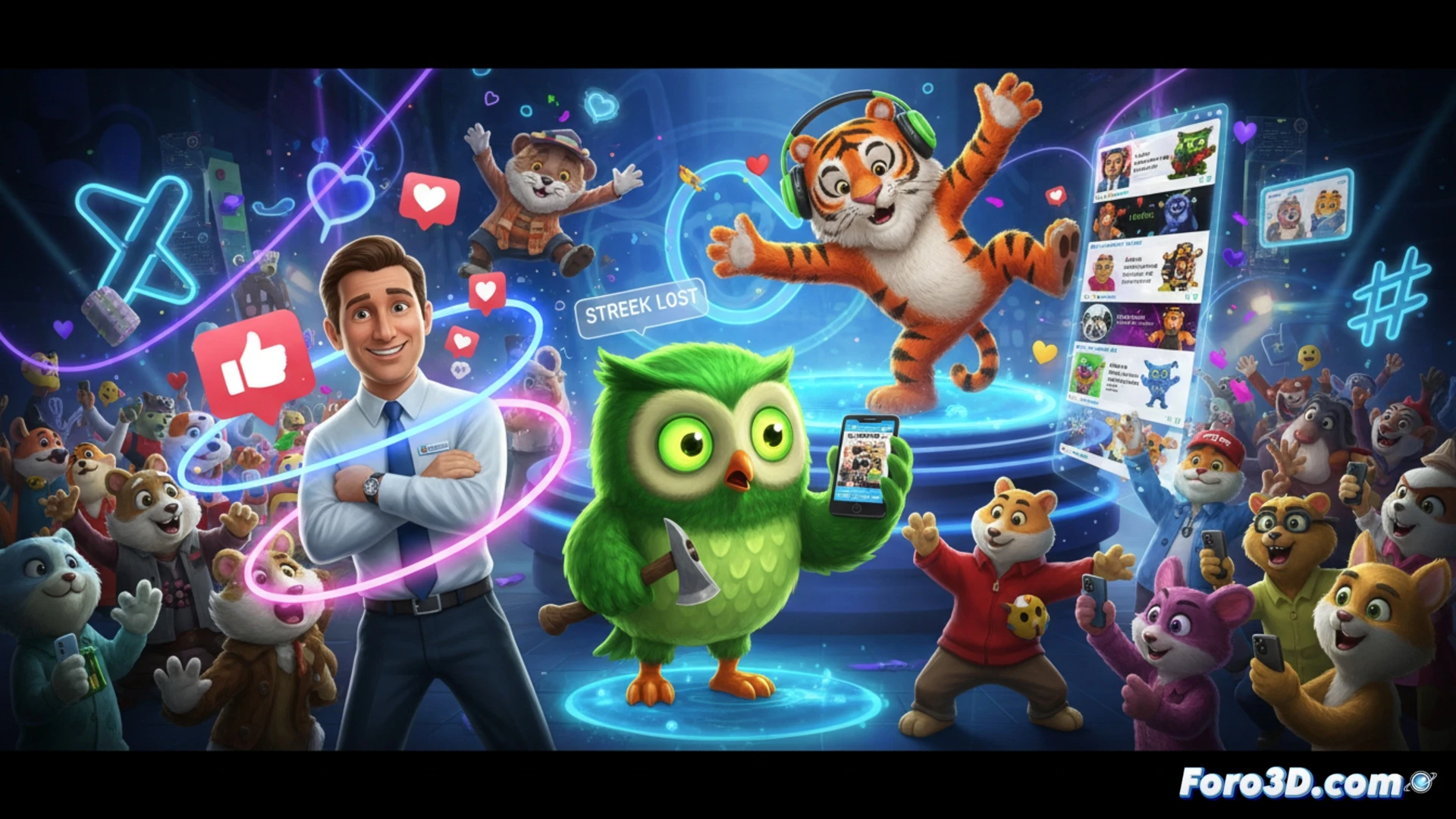
The emotional backend that sustains the digital character 🧠
Behind the meme, there is development work. Brands use teams of community managers trained in trend analysis and automation tools to respond within minutes. The mascot's personality is encoded in tone guides and predefined responses, but with room for controlled improvisation. Platforms like Sprout Social or Hootsuite allow scheduling viral content without losing the spark. If the timing fails, the character dies.
How to survive your own mascot if it becomes more famous than you 😅
The biggest fear of a community manager is that the Duolingo owl starts charging them royalties for its jokes. Because yes, when the mascot is more viral than the product, the board of directors panics. There is no technical solution, only hoping the character doesn't tweet at 3 AM without supervision. Meanwhile, we keep watching a green bird insult us for not studying German.