Japanese animation has names that echo in every corner, but there are figures like Masami Hata who operate from the shadows. Hata began his career in the 1960s and built a trajectory based on an uncommon style: blending European and American aesthetics with a direct sense of wonder. His hallmark is an expressive, Westernized drawing style that seeks to entertain without artifice, something that today seems almost a rarity.
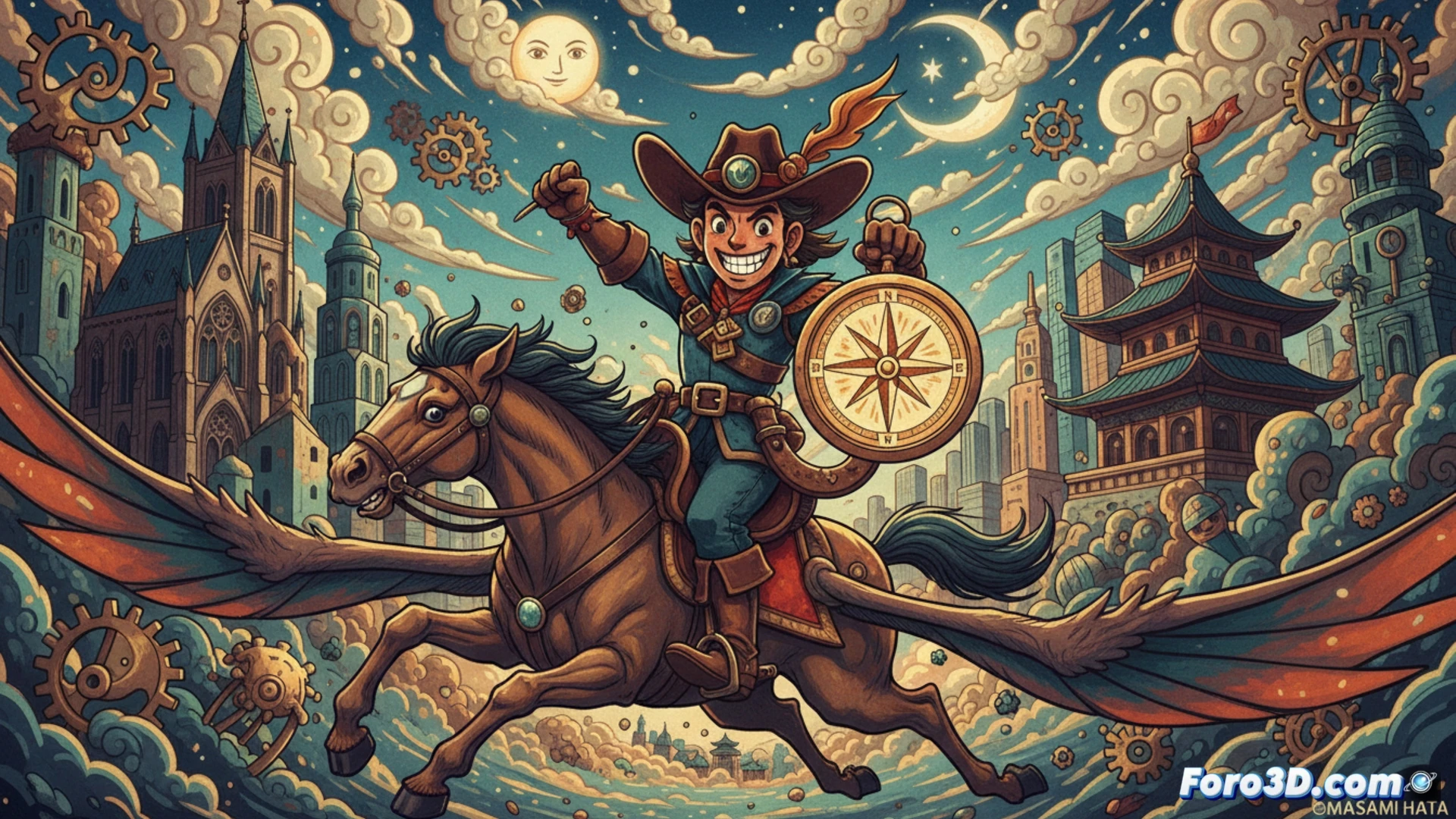
The art of animating with foreign influences and no complexes 🎨
Hata did not follow the current of traditional anime. His technique relies on clear lines and detailed backgrounds reminiscent of Disney classics or French illustrated tales. In productions like Little Nemo: Adventures in Slumberland, the animation flows with a slow, almost theatrical rhythm. The use of color is vibrant but controlled, and the characters' movements prioritize facial expressiveness over fast action. This technical approach, which combines visual whimsy with simple narrative, demonstrates that quality animation can be made without relying on digital effects or complex plot twists.
When drawing in the European style was almost an act of rebellion ✊
While other studios copied Osamu Tezuka, Hata decided that his characters would have big noses and round eyes, as if taken from a Tintin comic. In 1970s Japan, this was almost heresy. But it worked: The Prince of the Sea and the Fire Girl remains a visual rarity that captivates children without needing giant robots. Sometimes, being the odd one out in the neighborhood yields better results than following the herd.