If there is a director who understands the tension of an empty hallway and the weight of a whisper, it is Masaki Tachibana. With a career spanning from the family drama of Tokyo Magnitude 8.0 to the rural comedy of Barakamon, Tachibana has demonstrated a special talent for detailed worlds and political intrigue. His most representative work, Princess Principal, is a manual on how to build a spy thriller with steampunk aesthetics and surgical pacing.
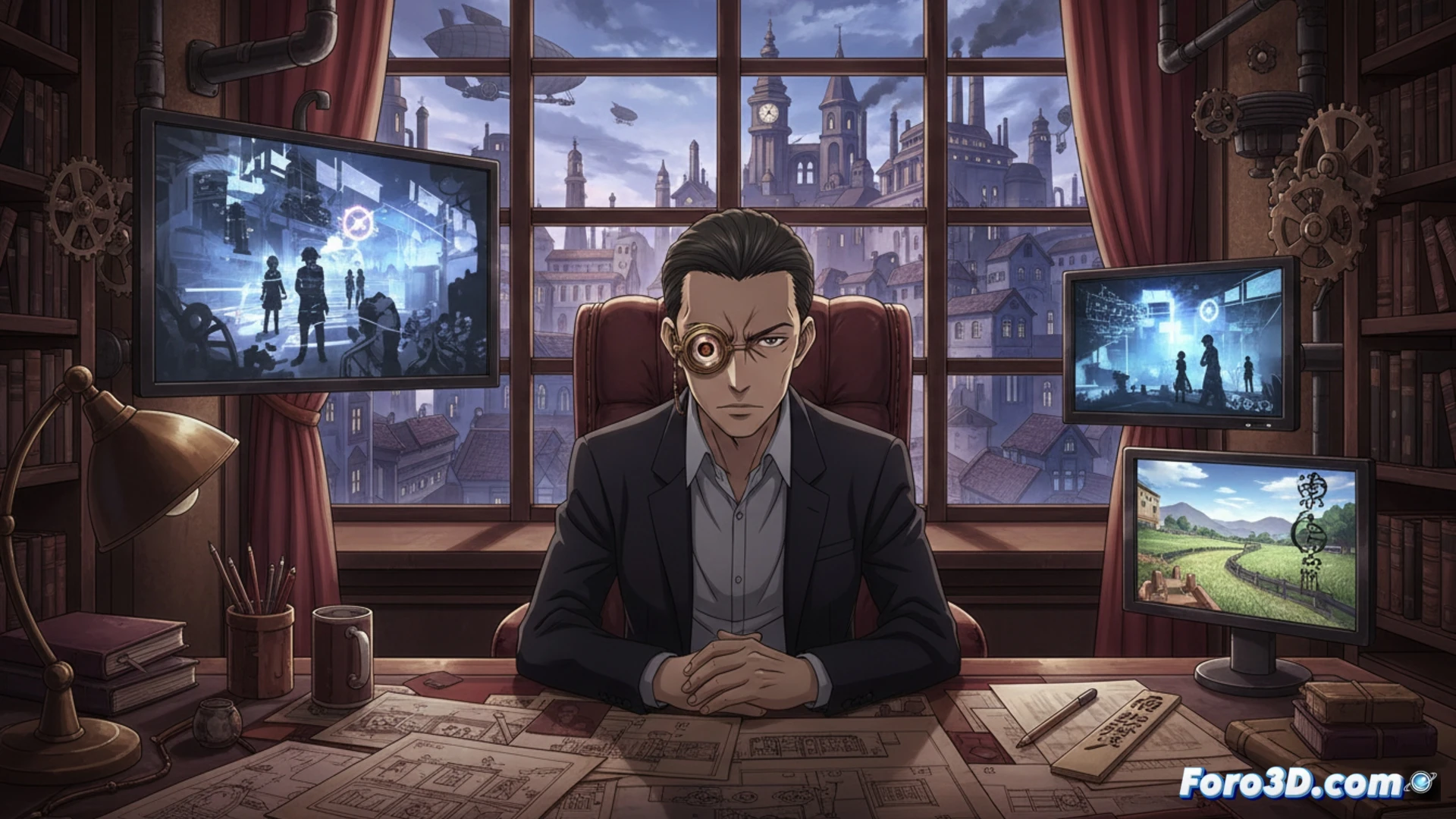
Methodical direction: the art of information and framing 🎥
Tachibana does not run; he observes. His direction is characterized by static shots that allow the viewer to absorb every detail of the environment, from the shine of a coin to the fold of a uniform. In Princess Principal, information is a more valuable resource than bullets. The slow editing is not a flaw, but a narrative strategy: each pause builds the atmosphere, and each glance between characters is a piece of data the viewer must process. There is no gratuitous action, only precise execution.
When the spy has a coffee while the world explodes ☕
Watching Tachibana direct an action scene is like watching a watchmaker assemble a bomb: meticulous, slow, and a bit stressful. While other directors fill the screen with explosions, Tachibana shows you his spies drinking tea from a fine porcelain cup while discussing codes. He is the type of director who would make you feel that stealing a state secret is less exciting than deciding which pastry to order in a London café. Pure style, zero sweat.