The novelization of Marvels, the seminal work by Alex Ross and Kurt Busiek, translates its visual epic into written language. The book, adapted by Steve Darnall and published by Abrams ComicArts, maintains the essence of the original series, adding unprecedented perspectives and details not found in the panels. Ross has expressed his satisfaction with the result, recalling that the idea of adapting a comic into prose emerged in the early 90s, when he worked on the literary version of The Death of Superman for DC Comics.
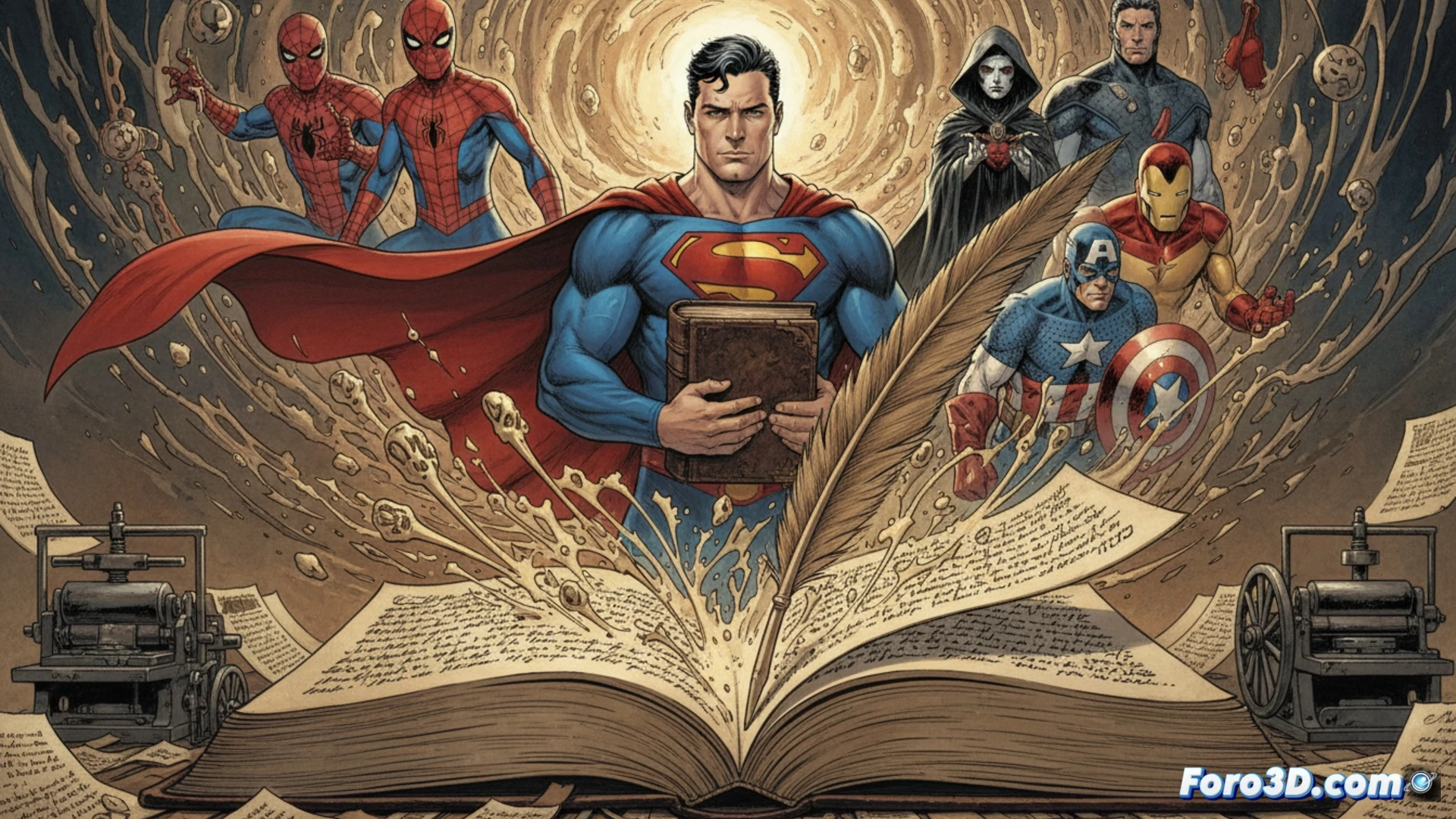
How Visual Language Adapts to Written Narrative 📖
Translating a comic into prose involves a complex technical process. It is not about describing panels, but rather reconstructing the visual sequence through a narrative rhythm that preserves tension and wonder. Darnall has worked with the original material to expand the psychology of the characters and fill the spaces that Ross's art suggested. The result is a work that respects the structure of the comic, but functions as an independent text, with chapters that explore Marvel's history from a more intimate perspective.
Alex Ross, Happy That His Work Can Be Read (and Not Just Looked At) 🎨
Ross is delighted with the adaptation, although one suspects his greatest relief is that someone else had to write the descriptions of his hyper-realistic panels. Because, let's be honest, spending hours describing every fold of a cape or every reflection in an eye would have been a tedious job. Now readers will discover that, besides being a brush genius, Ross also knows how to tell stories without needing Spider-Man to spend 20 pages swinging between buildings.