LKA, an independent studio, has achieved a technical milestone in the psychological horror genre with Martha Is Dead. Using Unreal Engine 4 as a foundation, the team combined photogrammetry from the Italian Tuscany region with advanced shaders to create a visually oppressive and realistic experience. This article breaks down the technical workflow behind the game's atmosphere, from asset capture to fluid simulation.
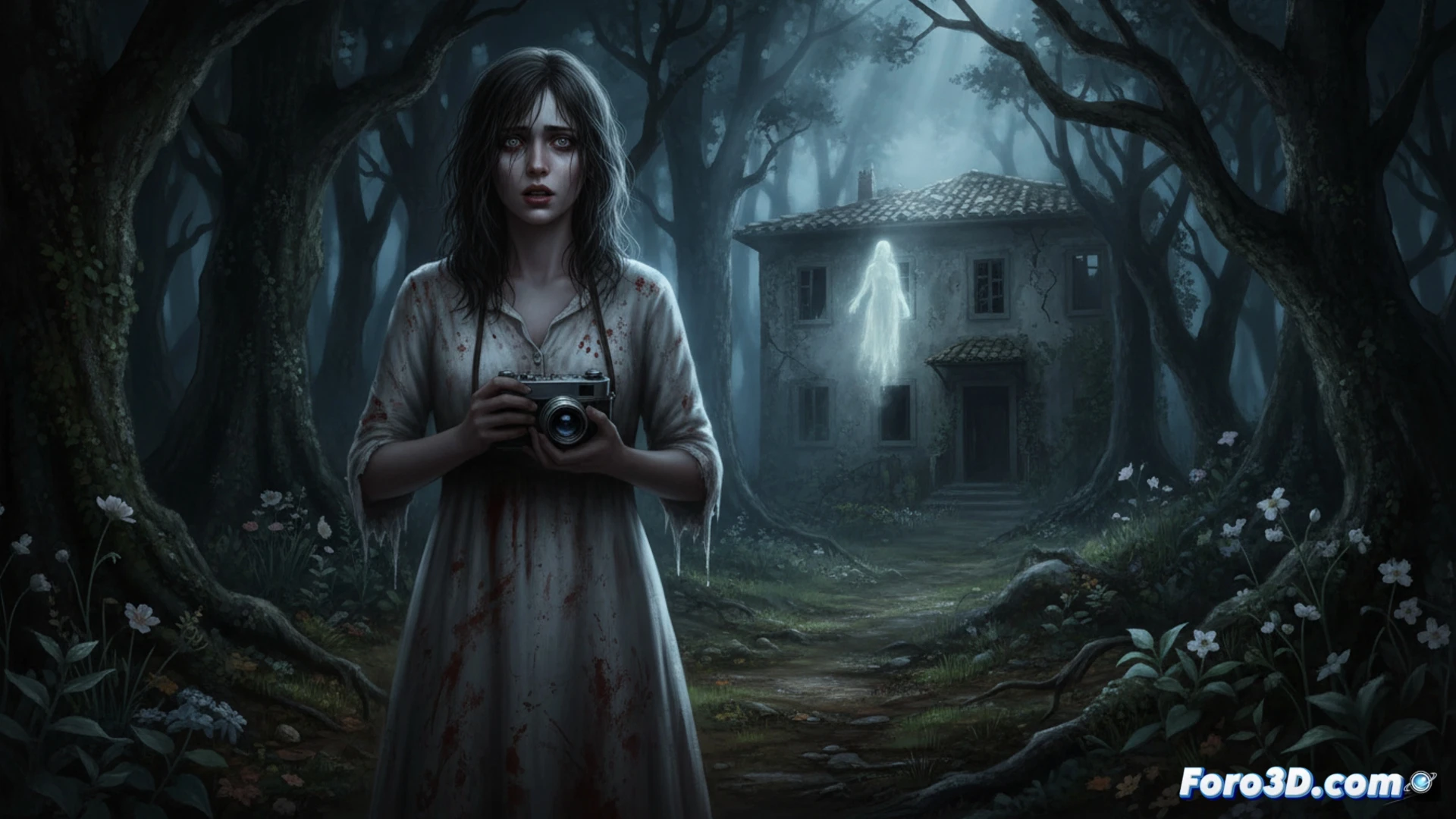
Workflow: Photogrammetry and Digital Sculpting 🎨
The process began with RealityCapture to digitize real locations in Tuscany. The team scanned landscapes, buildings, and historical objects, generating high-density meshes that were later optimized in Maya to maintain performance in Unreal Engine 4. For characters, ZBrush was the key tool for sculpting hyper-realistic details, especially on skin and facial features. Custom UE4 shaders simulated subsurface light absorption (subsurface scattering), giving faces an organic and unsettling quality that reinforces the narrative of trauma and madness.
Terror is in the Details 🔍
The true technical innovation lies in the fluid shaders. Blood, water, and mud not only behave with realistic physics but also interact with the environment and character clothing. These effects, combined with volumetric lighting and photogrammetry, make the setting feel tangible and hostile. Martha Is Dead demonstrates that photorealism in an independent game is not just a matter of budget, but of a precise workflow that prioritizes atmosphere over action.
How LKA managed to balance Unreal Engine 4's photorealism with psychological horror narrative without sacrificing performance on mid-range hardware
(PS: shaders are like mayonnaise: if they break, you start all over again)