Mamoru Kanbe is a director with a peculiar skill: he weaves worlds of apparent innocence only to tear them apart with psychological and physical violence. His filmography moves between childhood sweetness and the rawest horror, using tonal contrast as a narrative tool. From the dismemberments in Elfen Lied to the children's escape in The Promised Neverland, Kanbe demonstrates that cuteness can be the best disguise for the macabre.
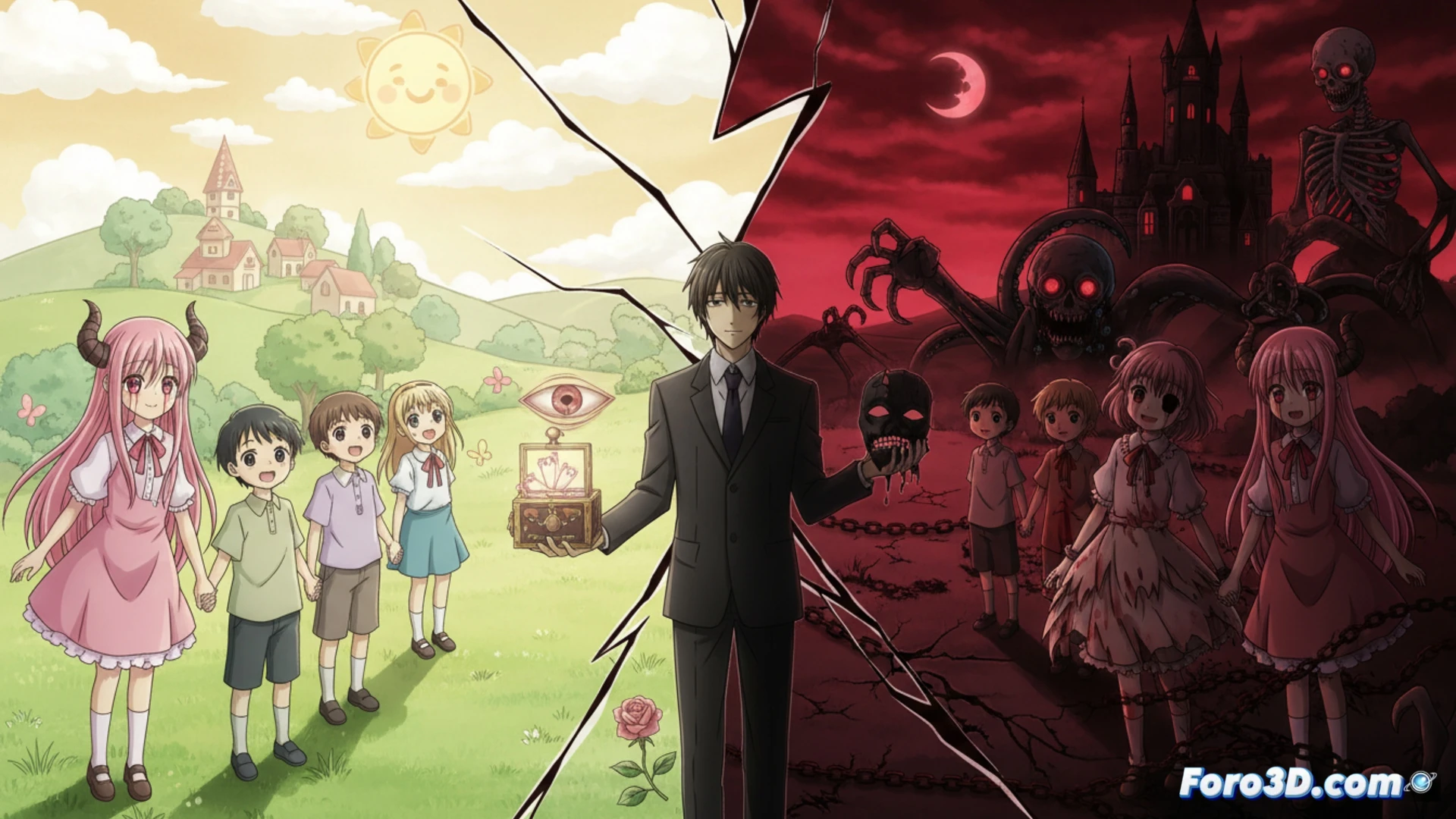
Aesthetics as a mechanism of emotional dissonance 🎭
Kanbe employs an art direction that favors pastel colors and rounded designs to create a deceptively cozy atmosphere. This choice is no accident: by juxtaposing kawaii imagery with scenes of explicit violence or psychological tension, he forces the viewer to process an emotional conflict. The result is an uncomfortable experience, where visual beauty accentuates the impact of horror. In The Promised Neverland, the warm interiors of the orphanage contrast with the cold reality of being livestock for demons. In So Ra No Wo To, war is filtered through a lens of military innocence.
When cuteness is just the appetizer for trauma 🧸🔪
Watching a Kanbe series is like entering a stuffed animal store and discovering they all have hidden knives. The director knows that if you put a smiling girl with a red ribbon, the viewer lets their guard down. Mistake. Within three episodes, that same girl will be crying over a pool of blood or planning an escape from a human farm. Kanbe reminds us that adorable is not synonymous with safe, just bait to make the drama hurt more.