The Museum of Fine Arts of Valencia has organized an exhibition presented in Málaga, focused on the naturalist baroque of the Ribalta brothers. The exhibition highlights the work of Francisco and Juan Ribalta, 17th-century Valencian painters who were pioneers in developing a naturalist style within Spanish baroque. Through a selection of their paintings, the exhibition explores how these artists captured reality with a strong sense of light, detail, and emotion, influenced by Caravaggio's tenebrism.
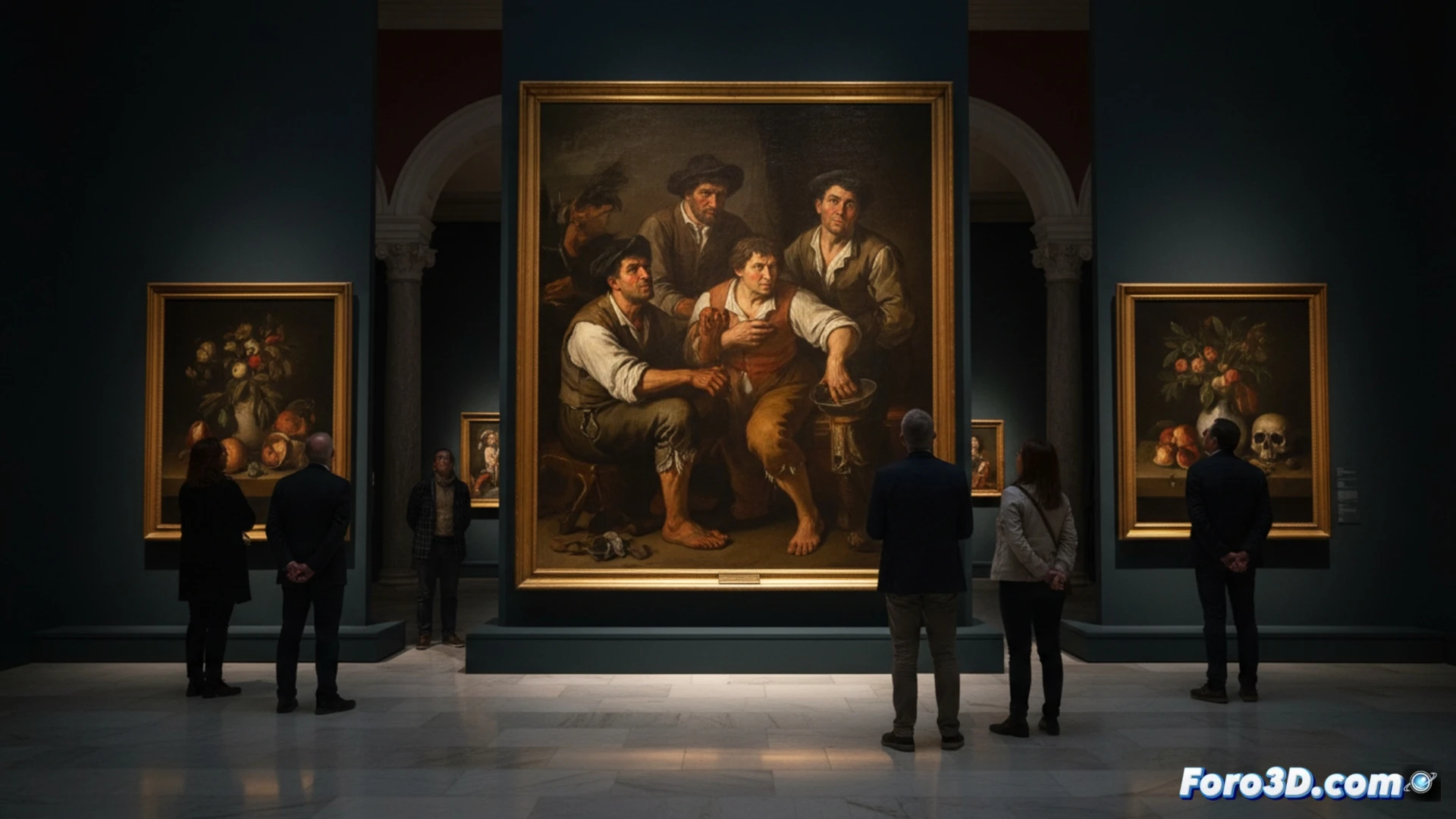
Tenebrism as the visual engine of the baroque scene 🎨
The Ribaltas' technique is based on contrasts of light and shadow to model volumes and direct the viewer's gaze. Francisco inherited the tradition of the Valencian school, but it was Juan who took naturalism to a rawer realism. In paintings like Saint Peter Penitent, the focused lighting recalls Rembrandt's chiaroscuro, though without reaching its complexity. The palette is earthy, with dark backgrounds that accentuate the expression of faces. A technical development that, despite its effectiveness, had limited dissemination outside the Crown of Aragon.
Caravaggio's light, but without the Italian drama 🕯️
The Ribaltas borrowed Caravaggio's tenebrism but applied it with the sobriety of someone who doesn't want to cause a scandal. While the Italian painted saints with dirty feet and defiant looks, the Valencians opted for a more restrained realism, as if they feared the local bishop would call them to order. The result is devout paintings where saints seem fresh from a spiritual retreat, not a tavern. A light version of the baroque that, at least, offended no one.