The saga of The Hunger Games remains relevant as a warning about war and survival, but rereading it today is no walk through the Capitol. Its realistic approach, far from escapist fantasy, makes it a difficult pill to swallow in times when reality already seems like a reality show. Additionally, there's a technical problem that doesn't help: the shaky camera of the first installment.
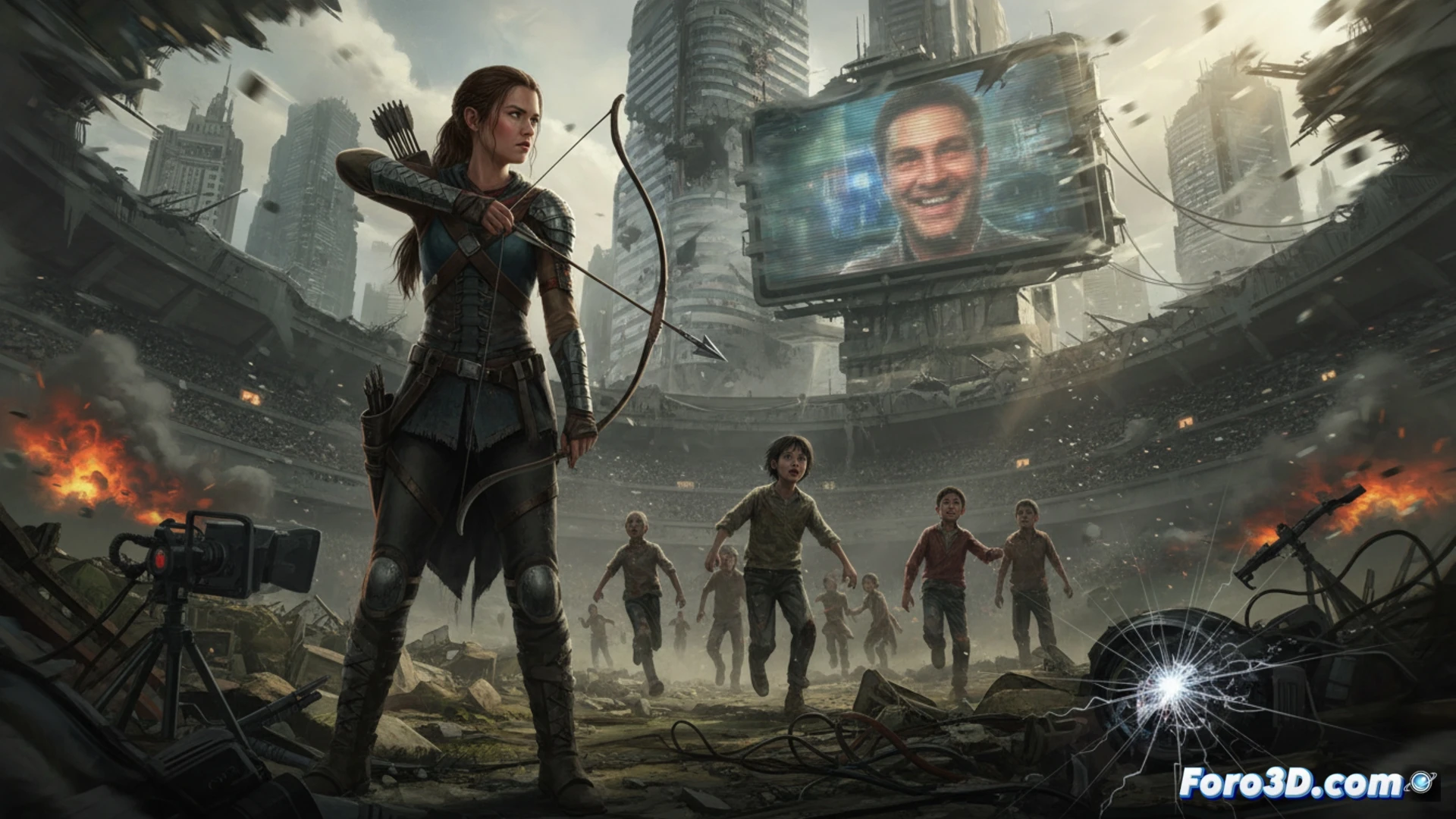
Gary Ross's shake: a dizzying documentary 🎥
Gary Ross aimed for a documentary style in the first film, but the excessive use of handheld camera is annoying for today's viewer. The technique, which tries to convey chaos and urgency, results in an unstable visual experience that contrasts with the steadier cinematography we're used to. Instead of immersing us in the arena, it shakes us mercilessly. It's like watching a soccer game filmed by a spectator in the middle of the crowd: realistic, but not necessarily pleasant.
How to survive the games' dizziness 🤢
Watching The Hunger Games today is like getting on a roller coaster without having taken a Dramamine. The camera shakes more than a tribute at the reaping, and you end up wondering if the real test of survival isn't enduring the movie without closing your eyes. At least, when you get dizzy, you can blame Gary Ross and not the lack of bread.