The marginal annotations written by Lope de Vega in his books offer a direct window into his creative process. These notes, found in volumes that moved from Spanish collections to American libraries, reveal the materials the Phoenix handled. Their odyssey reflects the dispersion of the Golden Age heritage, and today they are key pieces for understanding his erudition.
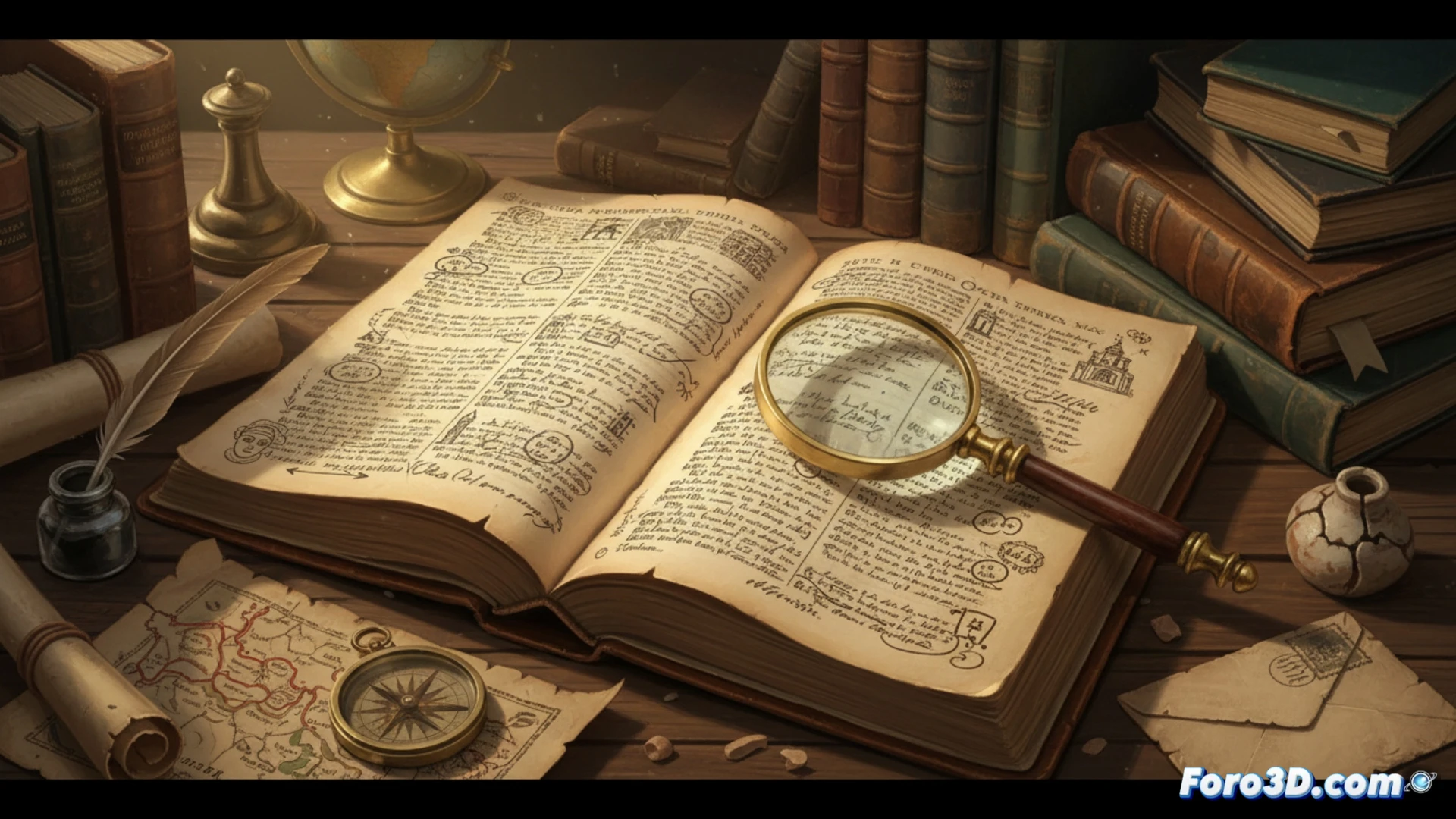
Forensic digitization: how technology deciphers the Phoenix's ink 🔍
The analysis of these marginalia employs multispectral imaging techniques to distinguish Lope's ink from other annotations. High-resolution scanners capture barely visible strokes, while handwriting recognition algorithms compare the pressure and angle of the quill with authenticated manuscripts. This process allows dating the notes and linking them to specific works, reconstructing the playwright's reading order.
The day Lope scribbled like a student in a hurry ✍️
Imagine the Phoenix of Wits scribbling in his own books with comments that look like last-minute notes before an exam. In one margin he writes this is no good next to a paragraph from a rival, and in another he draws a serious face to remind himself to revise a verse. Forensic technology allows us to see him: a genius who, like anyone, used the edges of his texts to vent.