The Wiener Holocaust Library in London presents an exhibition documenting the Third Reich's slave labor program between 1939 and 1945. With testimonies, photos, and judicial documents, the exhibition reveals how 20 million people were exploited in German factories, farms, and companies. By 1944, one in four workers in Germany was a slave, with a death toll of two and a half million.
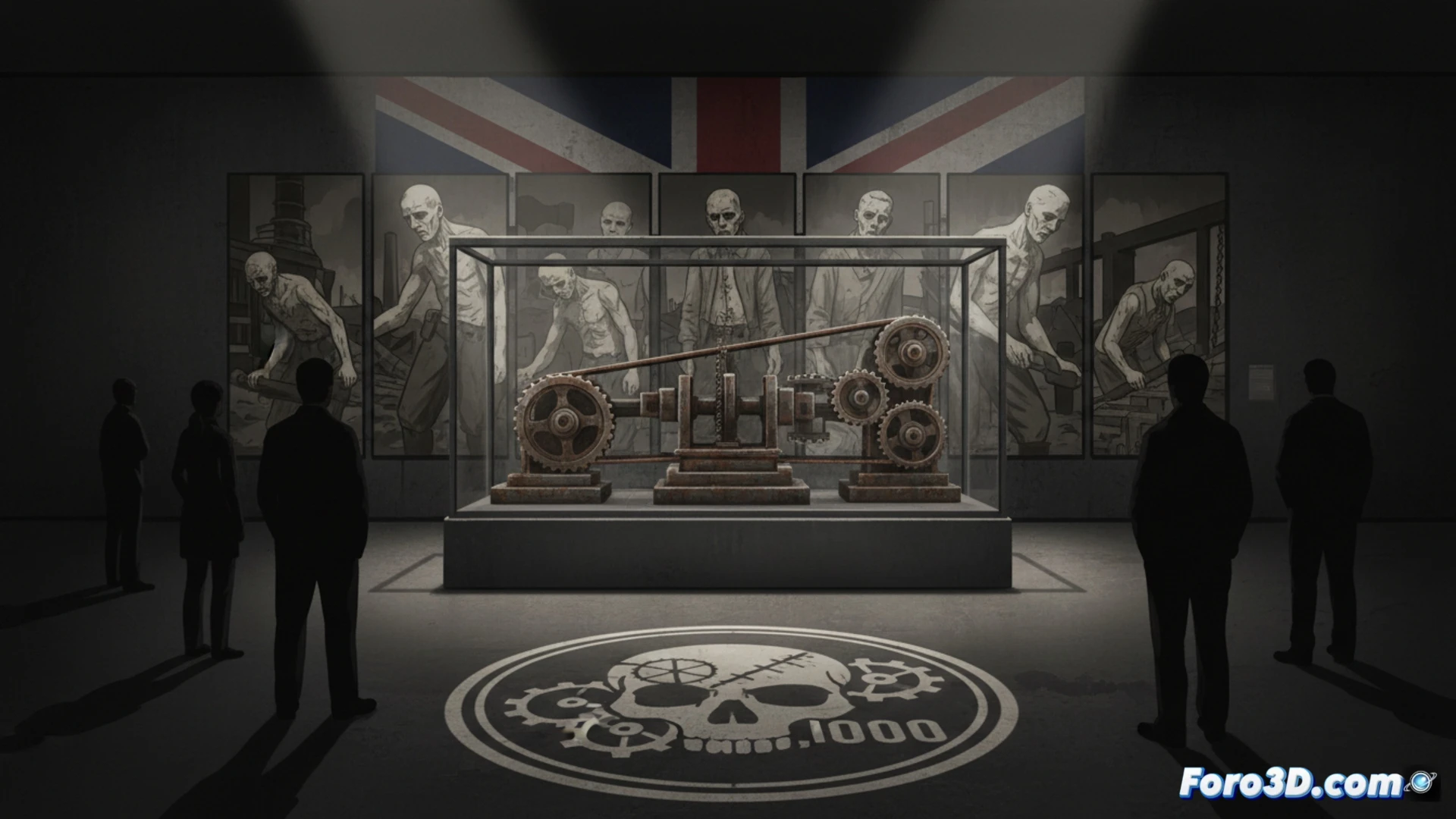
Logistics of Exploitation: How the System Worked ⚙️
The system operated with chilling bureaucratic efficiency. Companies like Siemens, IG Farben, and Krupp managed camps adjacent to their factories. Prisoners were classified by physical capacity and assigned to specific tasks through a centralized registry. Workdays reached 12 hours without rest, with rations calculated to barely maintain productivity. The Nuremberg trial archives show how casualties were accounted for as material losses.
Intensive Course in German Productivity 💀
If you ever thought your boss is an exploiter, take a deep breath. The Nazis turned job insecurity into an exact science: no salary, no unions, no coffee breaks. Sure, they offered a unique pension plan: the crematorium oven. The exhibition demonstrates that even in barbarism, German engineering sought resource optimization. A master's in business management that no one asked for.