In the Himalayan region, the crossbreeding between wild wolves and domestic dogs is giving rise to a new threat: the khipshang. This hybrid, bolder than its progenitors, not only competes for prey with local carnivores but has also begun attacking livestock and, in some cases, people. The genetic mix is altering the ecological balance and putting rural communities at risk.
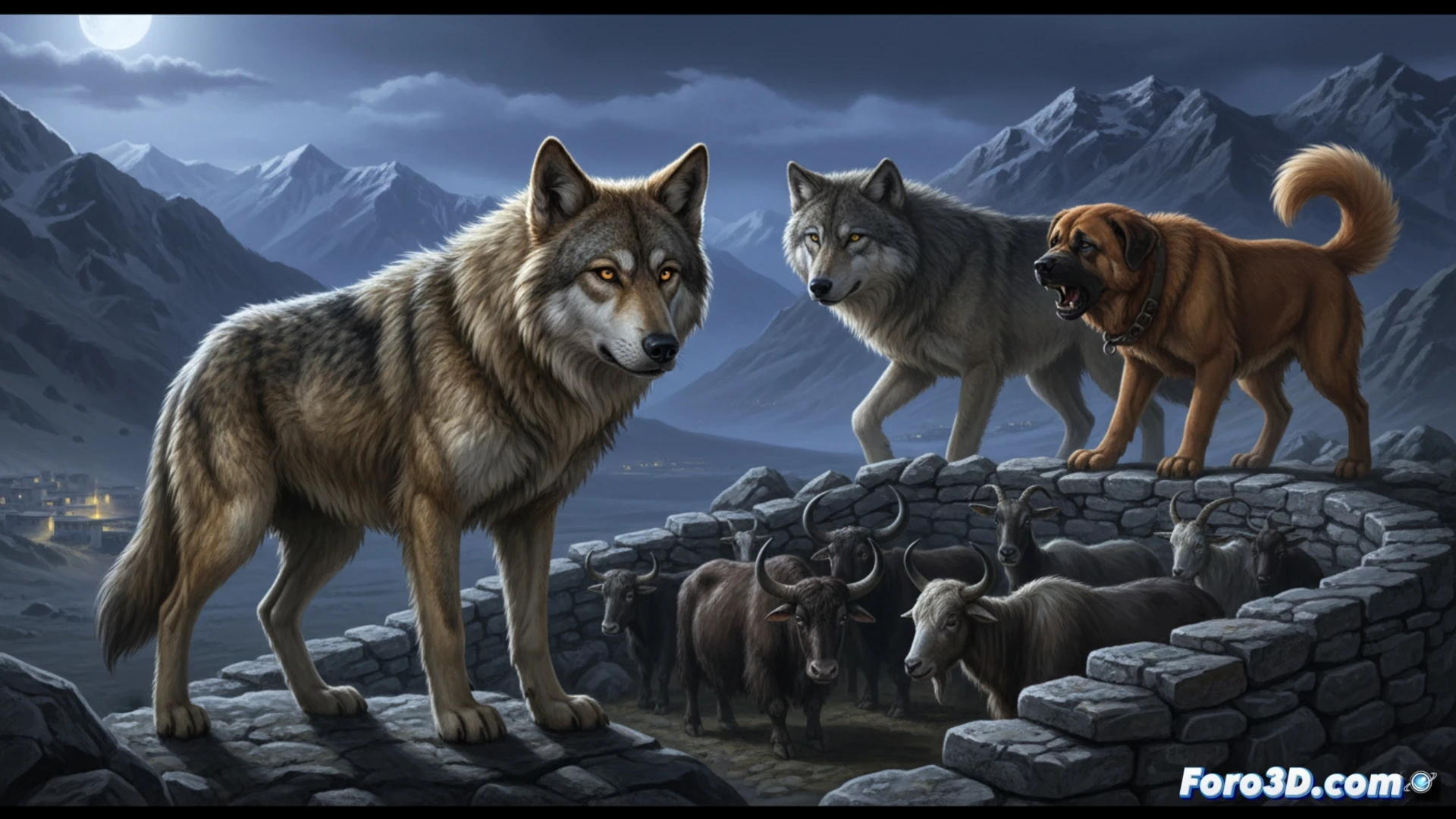
The genetics of conflict: how a hybrid predator forms 🧬
The khipshang is the result of hybridization between the Himalayan wolf (Canis lupus chanco) and feral dogs. Lacking the wolf's innate fear of humans, this hybrid approaches settlements more frequently. Its adaptability is high: it hunts in packs, has powerful jaws, and an efficient metabolism. DNA analyses reveal that its canine genetic load gives it less caution, increasing dangerous encounters with people and the risk of disease transmission.
The khipshang: when the neighbor's dog is no longer just a nuisance 🐾
It turns out that mixing man's best friend with a wolf doesn't create a superdog, but a creature that looks at you as if you were a bone with legs. Ladakh's herders now have to deal with an animal that is neither as loyal as a dog nor fears humans like its wild relative. Next time your dog insists on going outside, think that it might be forming its own street gang with evolutionary consequences.