Taiwanese President Lai Ching-te marked the second year of his term with a firm speech: he rejected China's pressures and committed to strengthening the island's defensive capabilities. He stated that Taiwan's future will not be decided by foreign forces nor held hostage by fear. He even suggested that, if he were to speak with Donald Trump, he would remind him that Beijing is the one raising tensions in the strait.
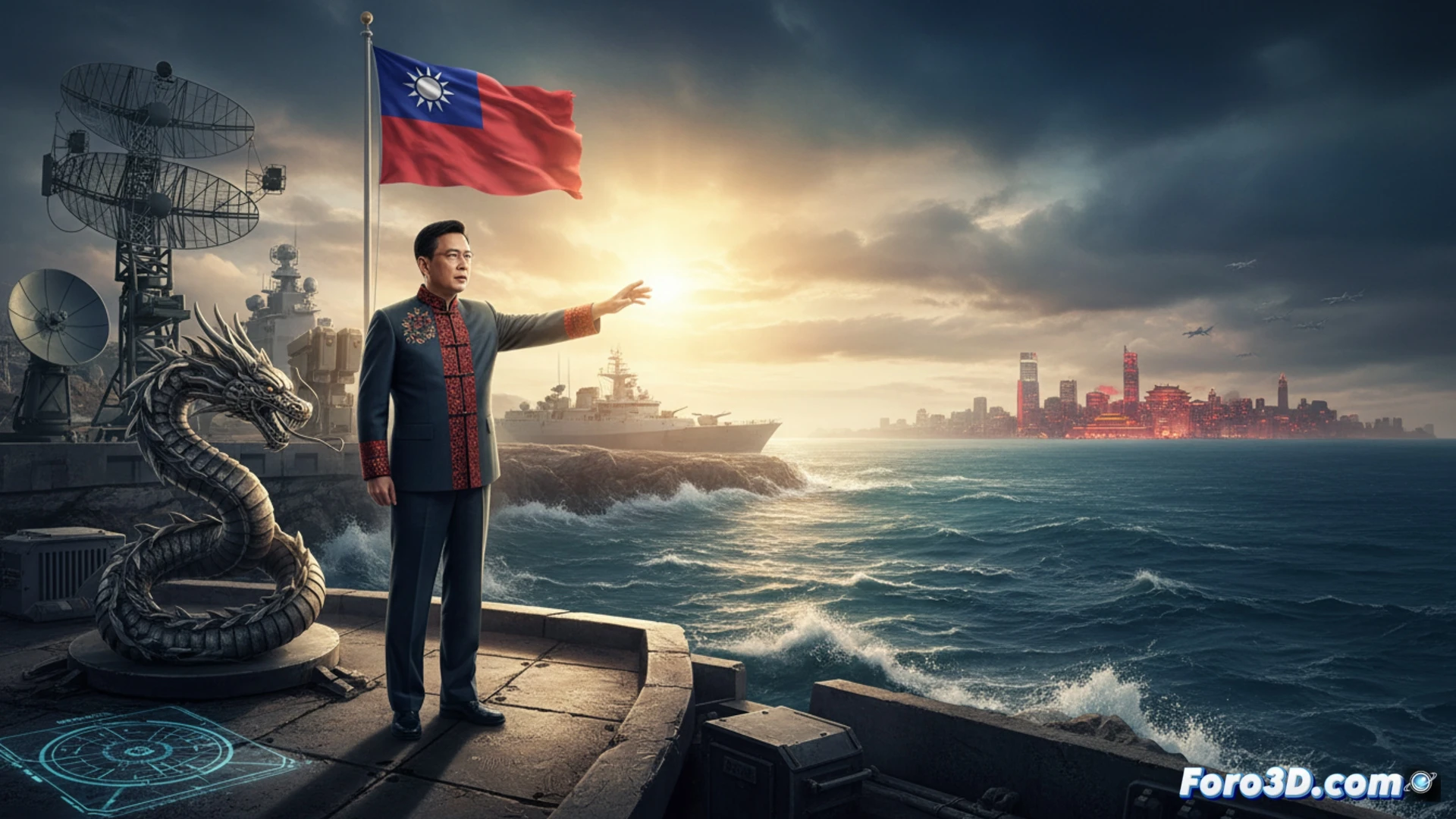
Smart Defense: Betting on Indigenous Technology and Regional Deterrence 🛡️
On the technical front, Taiwan seeks to modernize its defense systems with long-range radars and locally developed anti-aircraft missiles. The integration of artificial intelligence for maritime surveillance and the reinforcement of cybersecurity are priorities. Lai is betting on asymmetric deterrence to reduce dependence on foreign equipment, although local production logistics remain a challenge. However, the key lies in maintaining resilient communication networks against potential electronic attacks from the mainland.
Trump, Lai, and the Call That Will Never Be More Than a Hallway Rumor 📞
Lai dreams of a call to Trump to tell him that Beijing is the villain of the story. But let's be realistic, Trump would be more busy tweeting about tariffs or looking for his next golf course than listening to geopolitical sermons from Taipei. Meanwhile, Beijing keeps stockpiling missiles and Taiwan buys more chips for its radars. In the end, the only winner is the popcorn seller watching the show from the sidelines.