Party discipline requires its members to renounce personal opinion in order to align with the collective decision. This dynamic, common in politics, bears similarities to the functioning of a cult: the leader dictates the line and the group follows without question. Where does loyalty end and the loss of autonomy begin? We analyze this phenomenon from a critical perspective.
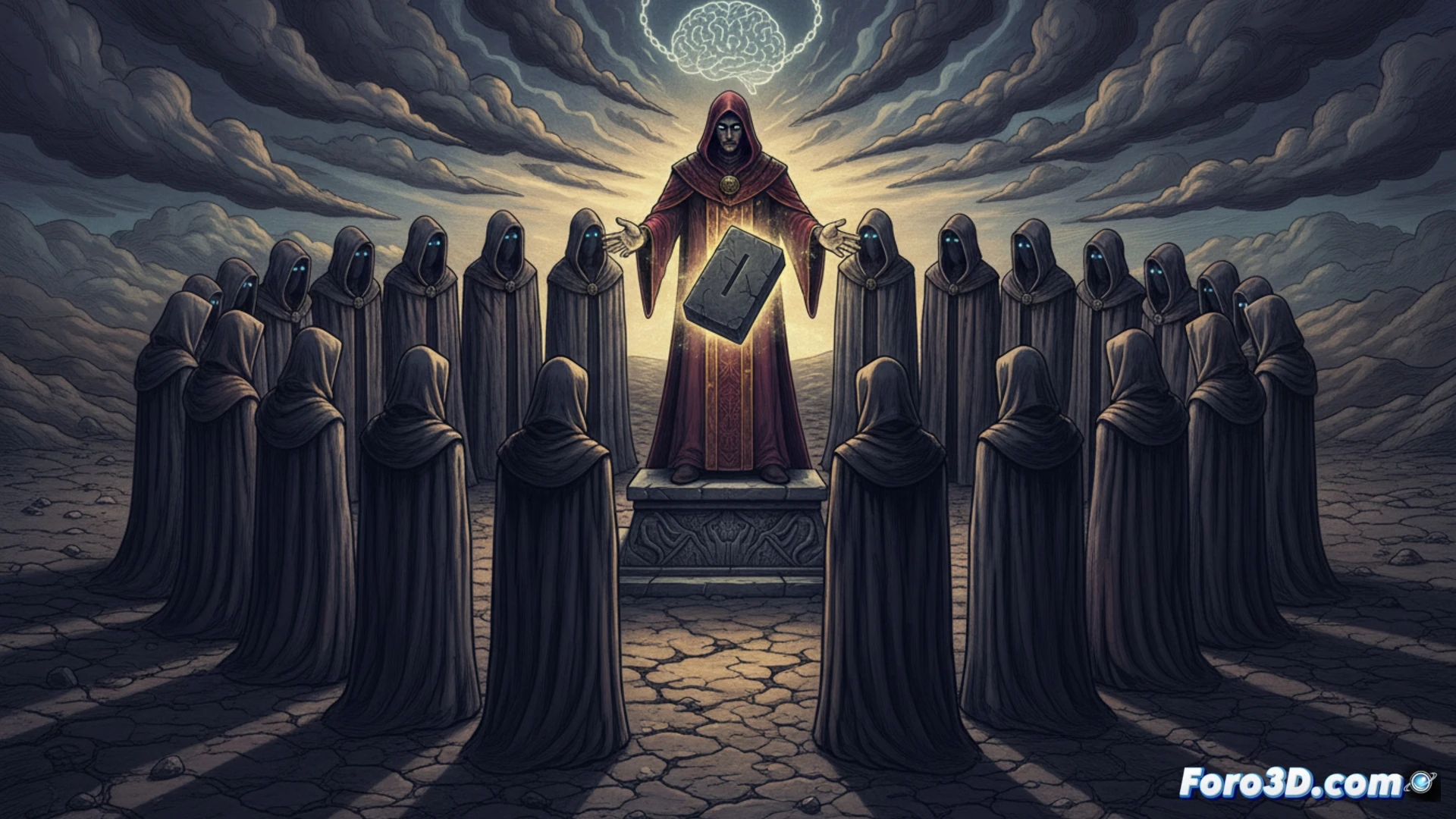
Block algorithms: how technology replicates submission 🤖
In software development, block voting systems are implemented through automated consensus. Tools like blockchain use proof-of-stake mechanisms where nodes validate transactions by following fixed rules. If a node deviates, it is excluded. This binary logic recalls group pressure: the code allows no dissent, only obedience or expulsion. The promised decentralization is often a mirage.
When your avatar votes the same as the boss 🗳️
Imagine a political party where each member is a synchronized bot. The leader says A, and all profiles tweet A in unison. The only difference from a cult is that here you don't drink Kool-Aid, but cold machine coffee while feigning enthusiasm for the motion. At least in cults they give you a new robe; here you only receive an email with the meeting minutes.