In a world where artificial intelligence offers us immediate answers, it is worth remembering that moments of intuition and creativity are not mere anecdotes. These processes strengthen our neural networks and keep brain plasticity active. Relying exclusively on instant solutions could reduce our capacity for deep reflection in the long term.
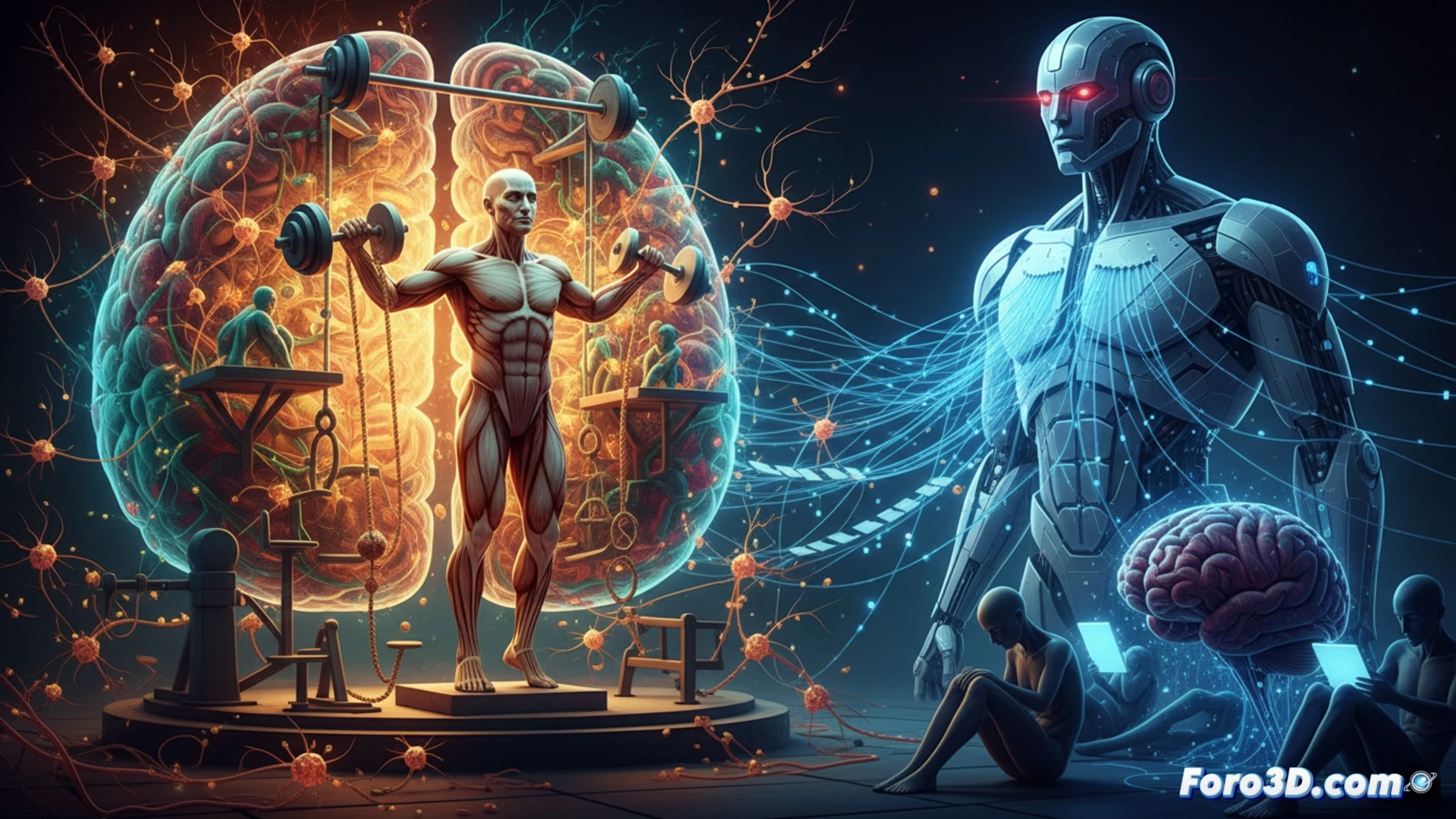
Brain plasticity: the muscle you should not delegate to an algorithm 🧠
Neuroscience confirms that mental exploration without shortcuts stimulates synaptogenesis. Every personal revelation, every creative spark, activates circuits that AI cannot replicate. Setting aside time for slow thinking, without screens or virtual assistants, allows the brain to build more robust connections. It is not about rejecting technology, but about balancing its use with periods of autonomous reflection.
When you ask AI even how to fold your clothes 🤖
If you delegate the decision of what to have for dinner to a chatbot, soon you will ask it to remind you to breathe. The irony is that the faster we get answers, the slower our own mental processes become. Perhaps the most revolutionary thing today is to turn off your phone, sit in silence, and let your brain do its work, even if it takes a few seconds longer than an algorithm.