The Royal Spanish Academy has identified artificial intelligence as the central challenge for the language. The problem is not that machines speak, but that they do so without respecting the richness of Spanish. The institution seeks for algorithms to process clear and normative language, preventing the language from degrading in digital environments. The III Plain Language Convention in Argentina will be a meeting point to debate this balance between technology and linguistic tradition. 🤖
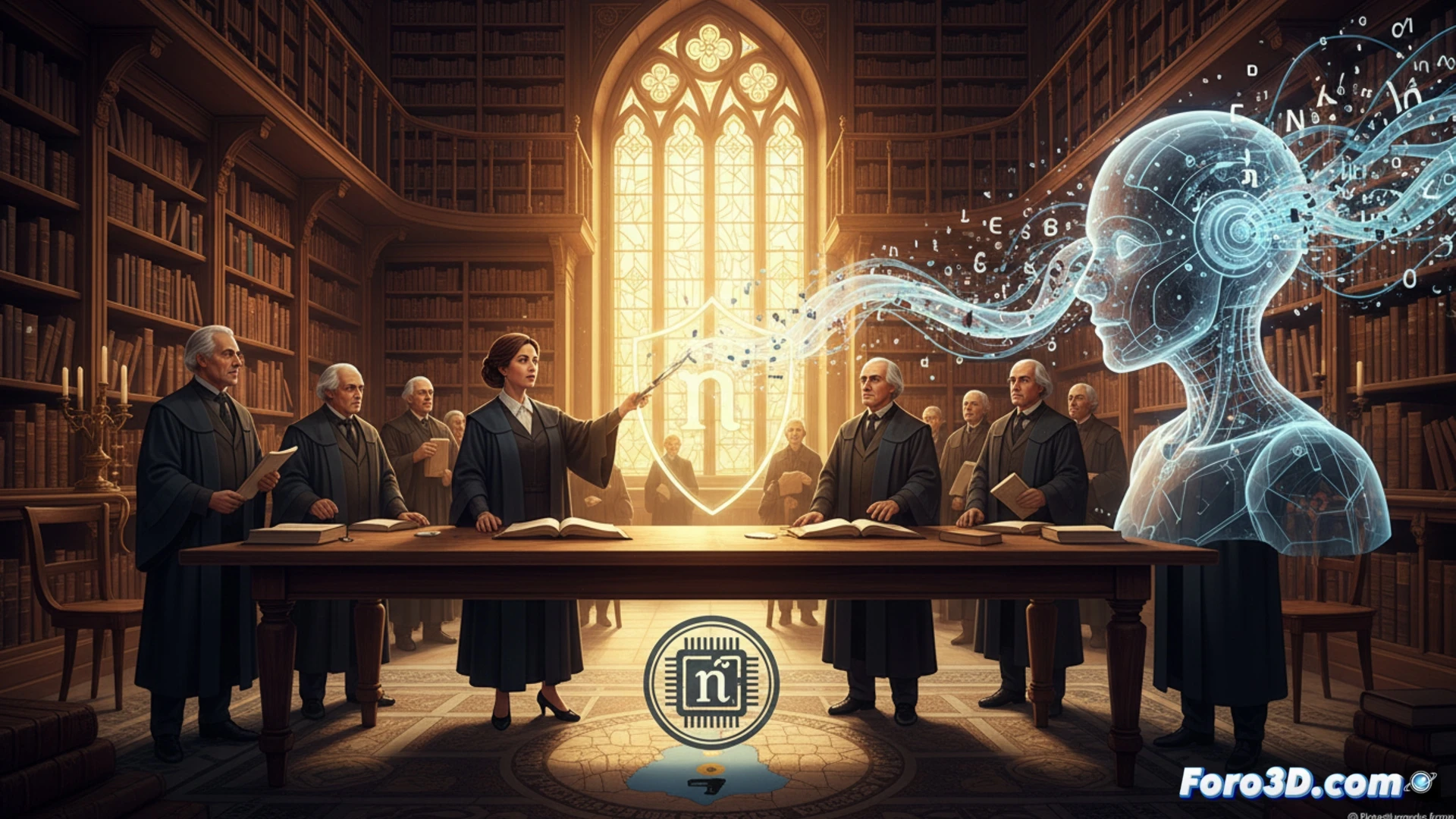
Algorithms with a dictionary: the technical challenge of teaching Spanish to machines 📚
For an AI to generate correct Spanish, it is necessary to train models with rigorous and labeled linguistic corpora. The RAE collaborates with engineers to develop natural language processing tools that respect grammatical rules, verb tenses, and regional uses. The challenge is twofold: avoiding excessive simplification of the language and maintaining semantic precision. Without a database curated with academic criteria, models tend to produce ambiguous or outright incorrect texts, affecting official and educational communication.
AI writes like an intern in a hurry and without coffee ☕
The RAE fears that, if no intervention occurs, chatbots will end up speaking like a teenager on Twitter after three Red Bulls. We already see algorithms confusing haber with a ver or using cocreta instead of croqueta. The good news is that, for now, the machine cannot improvise creative insults in Spanish; its errors are technical, not malicious. The III Plain Language Convention will serve for humans and machines to negotiate whether the future of the language includes memes or not.