Body surface is no longer just a biological wrapper; it has become a public canvas. Between social networks, digital filters, and aesthetic medicine procedures, every wrinkle, spot, or filler tells a story that is no longer private. We look in the mirror as if it were a feed, and the dermis has become the living archive of our aesthetic and emotional decisions.
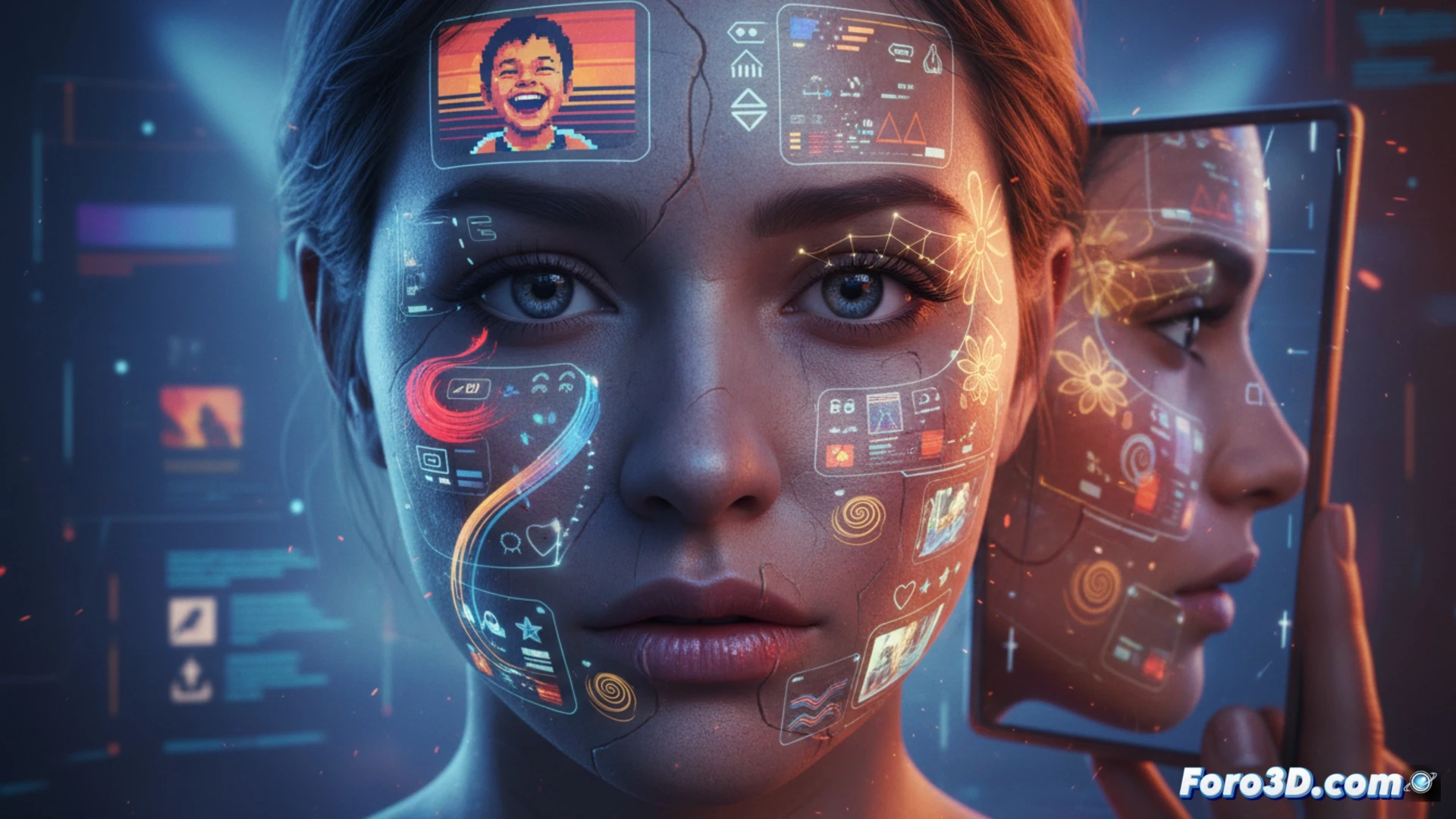
Dermal sensors: when technology reads your face 🧬
The development of portable sensors and facial recognition algorithms now allows mapping the texture, hydration, and elasticity of the skin in real time. Devices like smart mirrors integrate multispectral cameras that detect imperfections invisible to the human eye. This data feeds personal care apps and, in parallel, biometric databases. The boundary between medical diagnosis and commercial profiling blurs when every pore becomes a data point.
Botox also needs a firmware update 💉
Now it turns out that injecting hyaluronic acid is not enough; you have to synchronize the results with the latest version of the Instagram filter. If your facial retouching app adds a jawline that your real face cannot match, you have two options: update the software or schedule an appointment with the surgeon. The paradox is evident: we spend fortunes to look natural, but only if that naturalness passes the quality control of an algorithm.