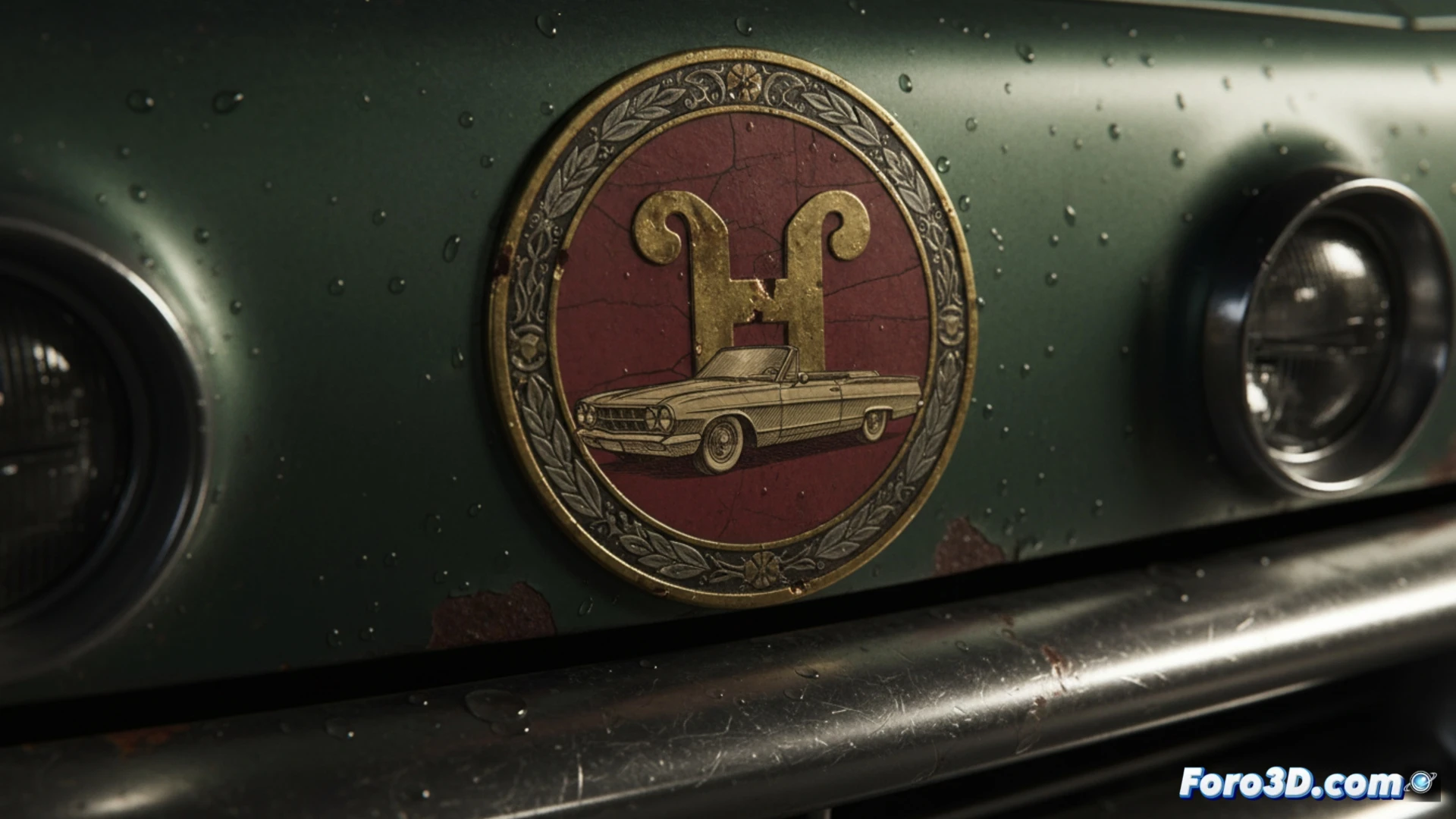
If you see an old car or motorcycle with a yellow sticker and a black H, don't be confused: it's not an environmental badge. It's the historic license plate, a distinctive mark certifying that the vehicle is over 30 years old, retains its original parts, and has passed a specific technical inspection. Its purpose is to allow these wheeled treasures to continue circulating with certain privileges, although with limitations.
The technical process to obtain the historic H 🛠️
To get the H sticker, the vehicle must pass a special ITV (technical inspection) that verifies the condition of the chassis, engine, and original elements. A restomod with a modern engine won't cut it; the charm is that it's as close as possible to when it left the factory. Once approved, you gain advantages such as access to Low Emission Zones (ZBE), discounts on the vehicle circulation tax (depending on the municipality), and an ITV every two years instead of annually. The downside: you can only drive 96 days a year, so you have to plan your outings carefully.
96 days a year: the car lives better than you 😎
Basically, your historic car has more vacation days than a civil servant. While you get up early every day to go to work, your vintage vehicle rests peacefully in the garage for 269 days a year. And the best part is that to take it out for a spin, you have to think: will today be one of the 96 days of glory? But when you do, you enter Madrid Central without blinking while modern cars with a B sticker are left outside. The grandfather's revenge.