NATO military sources have pointed out that the conflict in Iran, combined with the closure of the Strait of Hormuz, is strangling global supply chains. Weapons production, which should have increased since the start of the war in Ukraine, now faces urgent and large-scale demand. This jeopardizes deliveries of defense systems purchased by European countries for Kyiv.
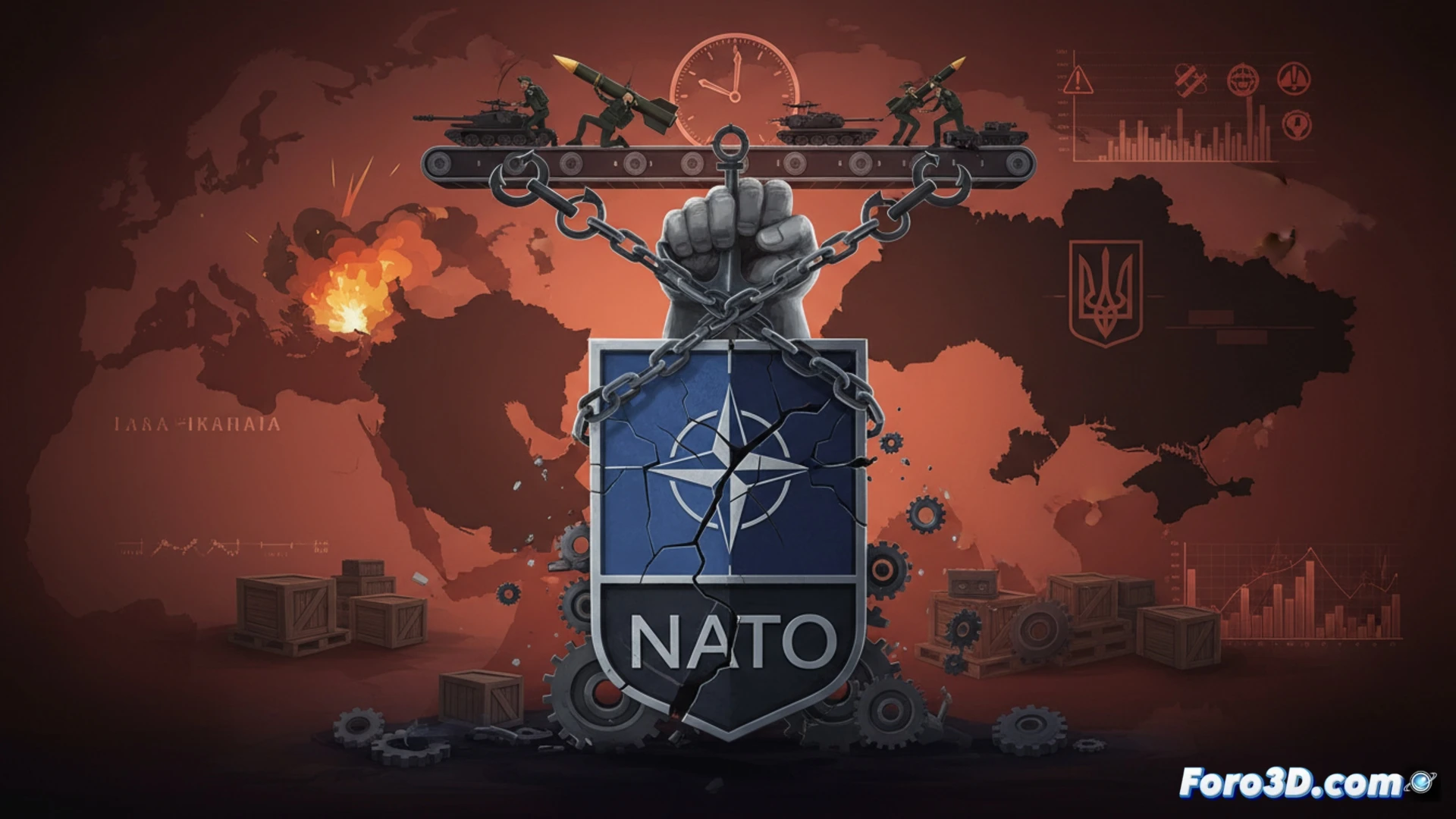
Military logistics: the bottleneck of missiles and components 🚢
The disruption in the flow of raw materials and semiconductors from Asia, vital for missiles and radar systems, has skyrocketed manufacturing times. European arsenals depend on components that cross the Strait of Hormuz, now blocked. Meanwhile, the air alert in Finland due to unidentified drones, which closed Helsinki Airport, highlights the fragility of air defense when orders are delayed.
Drones over Helsinki: the airport closes, NATO opens its eyes 🚁
The latest twist in the Iranian conflict flew all the way to Finland: a swarm of drones caused the temporary closure of Helsinki Airport. While passengers searched for their lost luggage, NATO generals wondered whether these drones were for testing, espionage, or simply lost tourists. The truth is that if defense systems do not arrive on time, future alerts could end with the runway turned into a crater.