Reliability has become the pending subject of the electric vehicle. Drivers avoid isolated chargers as if they were traps and only trust large hubs with multiple points. Added to this is constant misinformation and activation timelines that exceed two years, hindering the adoption of a technology that, on paper, already has sufficient network for the current fleet.
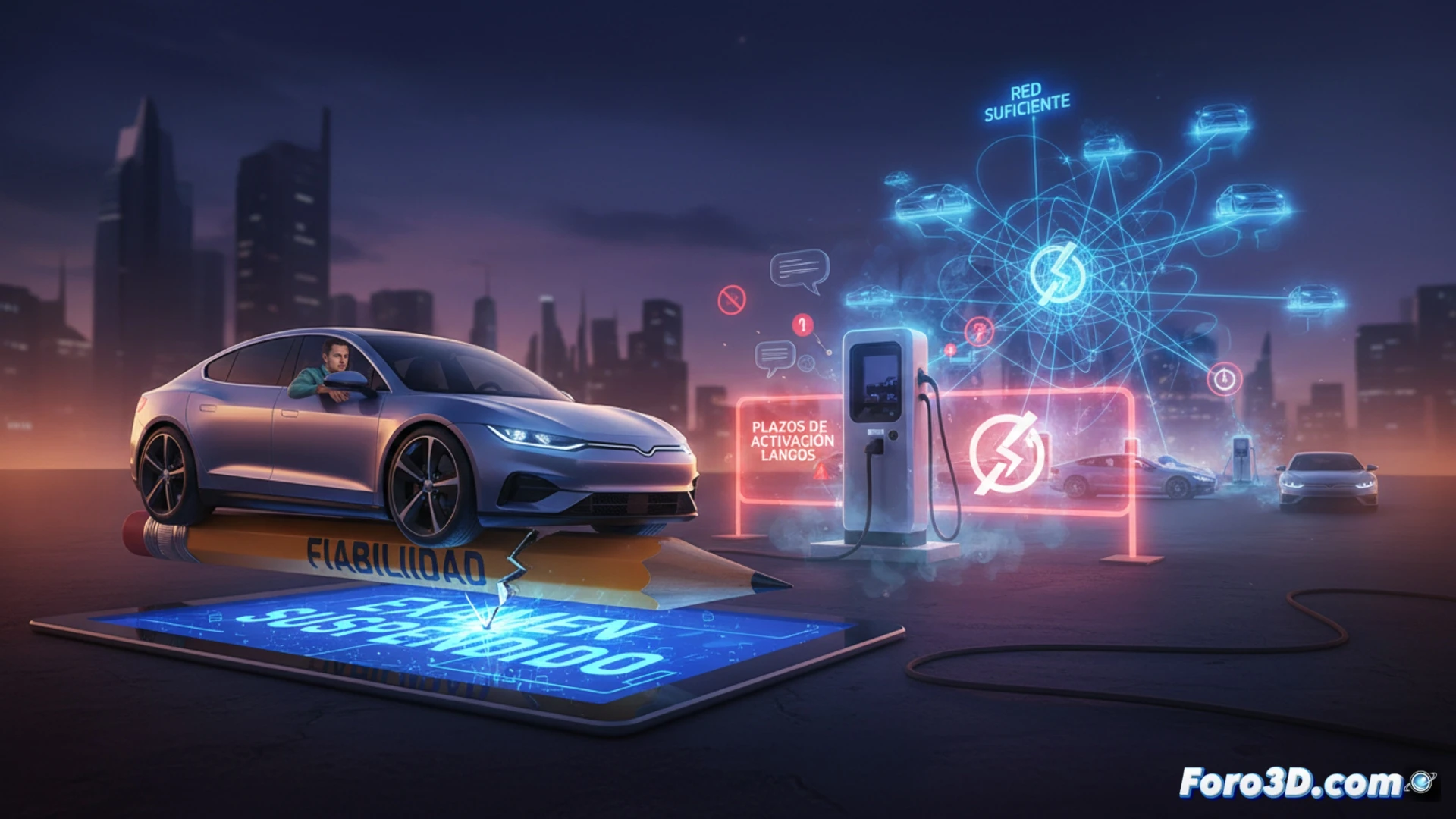
Sufficient network, but inoperative: the technical bottleneck 🔌
Although the installed infrastructure could cover current demand, the actual operational rate is low. Software failures, lack of maintenance, and communication protocols between operators create dead spots. Furthermore, bureaucratic procedures to install new chargers can take more than 24 months, a timeframe that discourages any investment and perpetuates the perception of an immature system.
The ghost charger: it exists, but doesn't work 👻
It's the classic modern fairy tale: you open the app, see a free charger, arrive with the battery at 3% and... surprise, it's been out of service since 2022. Or worse, it asks you to register on three different platforms, each with its own subscription. In the end, electric mobility is not a problem of cables, but of faith. And faith, like installation timelines, runs out quickly.