Vittorio Storaro has built his visual language by borrowing the chiaroscuro palette of the painter Caravaggio. It is not merely about lighting, but a narrative use of light and shadow that defines emotions and spaces. Each frame seeks a dramatic balance where darkness is not an absence, but another character within the scene.
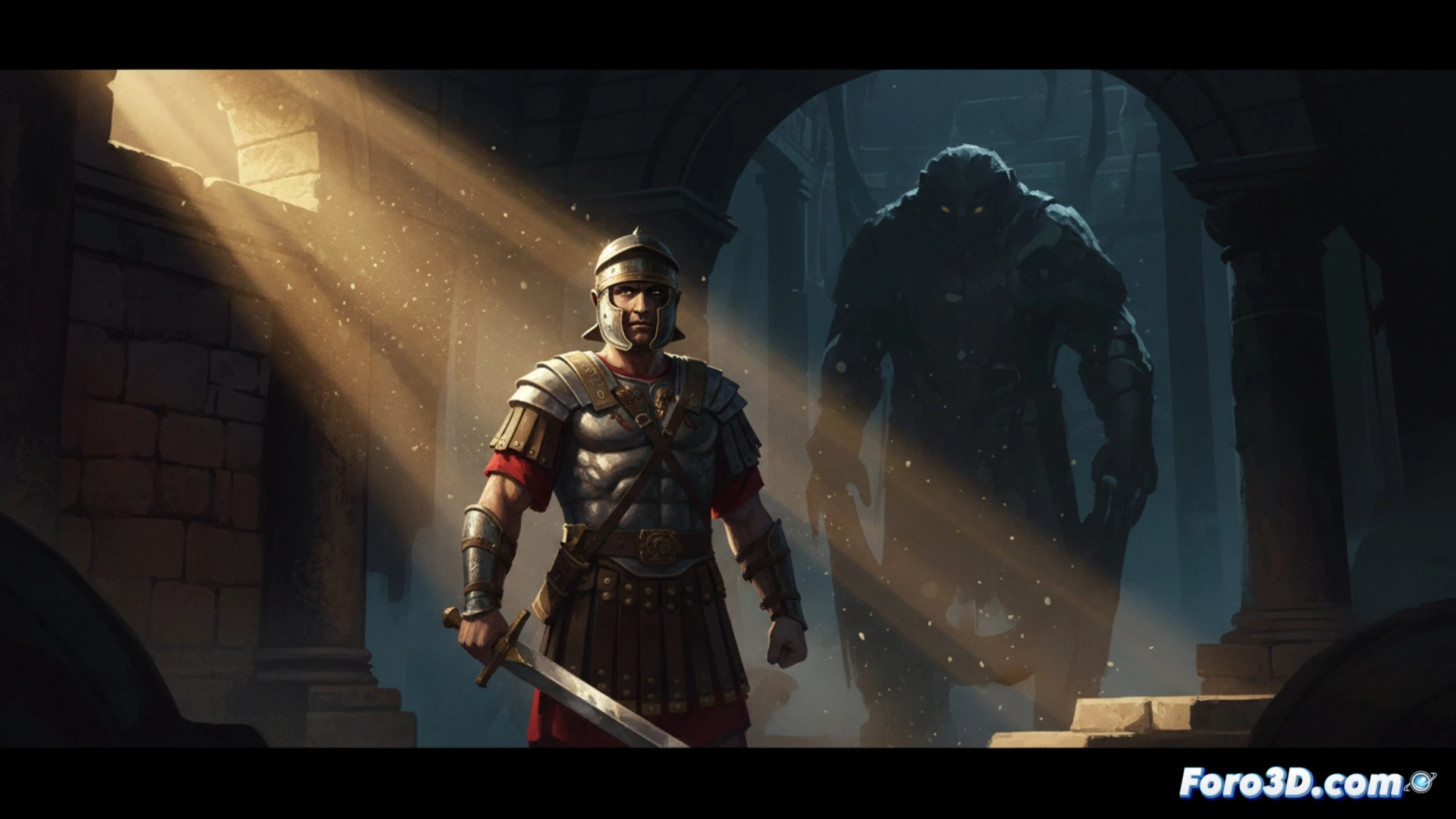
Lighting technique: chiaroscuro as a narrative tool 🎬
Storaro uses directional and contrasted light sources to create volumes and textures on faces, similar to the tenebrist technique. Instead of flat fill lights, he prefers deep shadows that isolate the subject. His use of color, often warm in the highlights and cool in the shadows, adds a psychological layer. The camera moves to discover the light, not to illuminate the set. This demands careful exposure and precise contrast control on film or sensor.
When the light tells you the coffee is bad ☕
One expects a cinematographer to light a scene to look good, not to make it seem like the protagonist is about to receive bad news from a dark corner. But Storaro lights your morning coffee as if it were a pact with the devil. If you see a shadow crossing his face while he orders a cortado, run: either the barista is a traitor or the coffee has spoiled milk. Chiaroscuro does not lie.