The trade of the charcoal burner, traditionally linked to burning wood in kilns, can benefit from 3D technology to optimize processes. Additive manufacturing allows for creating spare parts for logging machinery or molds for charcoal briquettes. A clear example is the production of custom ventilation nozzles for kilns, which improve combustion efficiency. Programs like Fusion 360 for design and Cura for slicing are key tools.
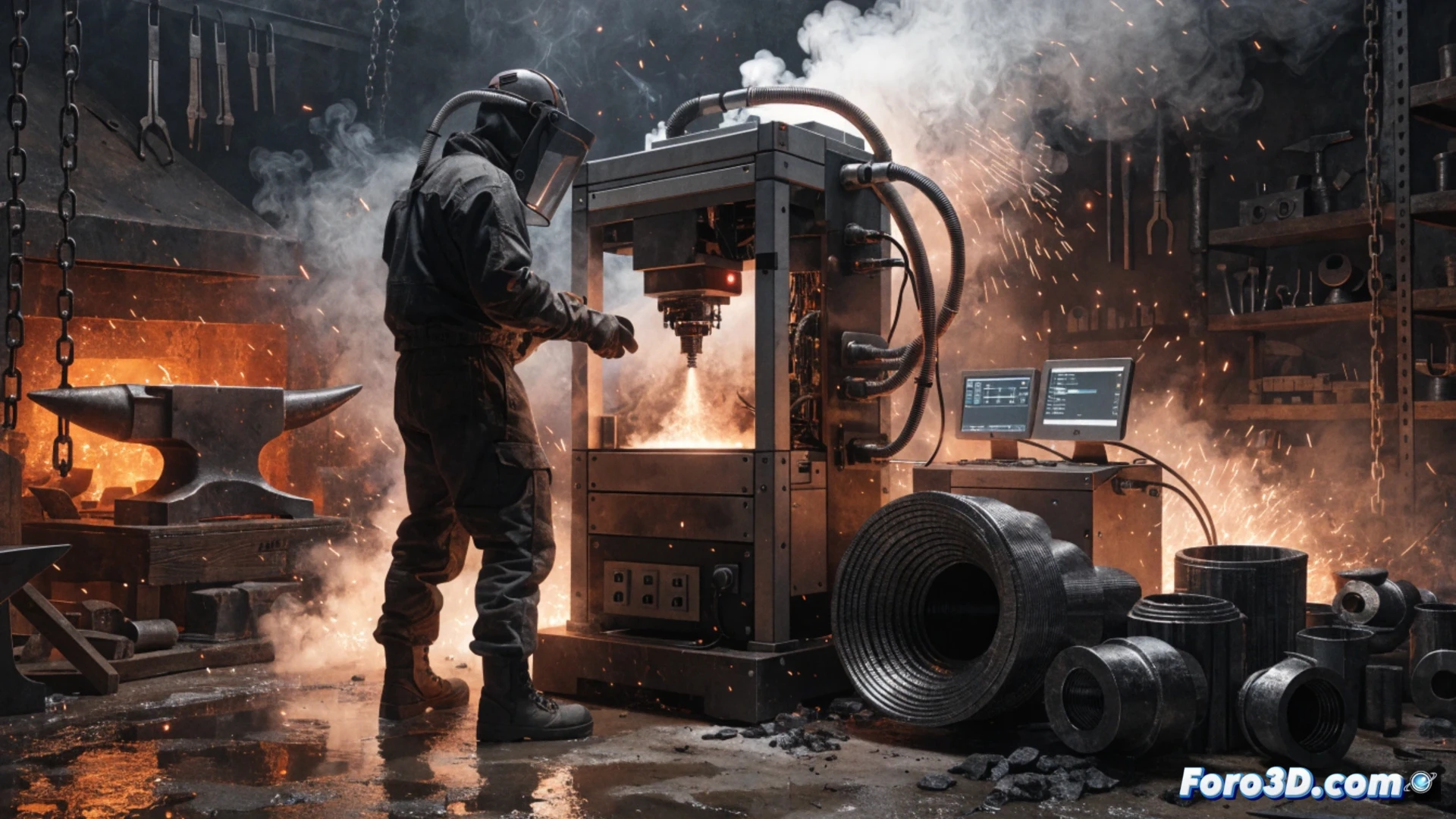
Parametric modeling for kiln parts and field tools 🔧
With 3D modeling software like SolidWorks or FreeCAD, a charcoal burner can design wear parts, such as mixing paddles or kiln grates, tailored to their exact measurements. After design, they are sliced with PrusaSlicer or Simplify3D for printing in heat-resistant filaments like PETG or polypropylene. The technology also allows for prototyping new ventilation systems before manufacturing them in metal, reducing costs and testing times in the field.
From charcoal burner to maker: when the axe becomes filament 🪓
Now, instead of sweating bullets adjusting parts with a hammer, you can design a replacement part from your phone while your coffee cools down. The problem is, if the dog eats your printed part, you'll have to explain to your grandfather that the modern charcoal burner needs a spare 3D printer. At least, when the electronics fail, you can always go back to the axe. That said, without forgetting to load the filament.