3D technology is transforming physiotherapy by enabling the creation of custom orthoses, insoles, and assistive devices tailored to each patient. A physiotherapist can scan a patient's foot with a 3D scanner and design an insole that corrects their gait. Key programs include Blender for modeling, Ultimaker Cura for slicing, and scanning software like Skanect.
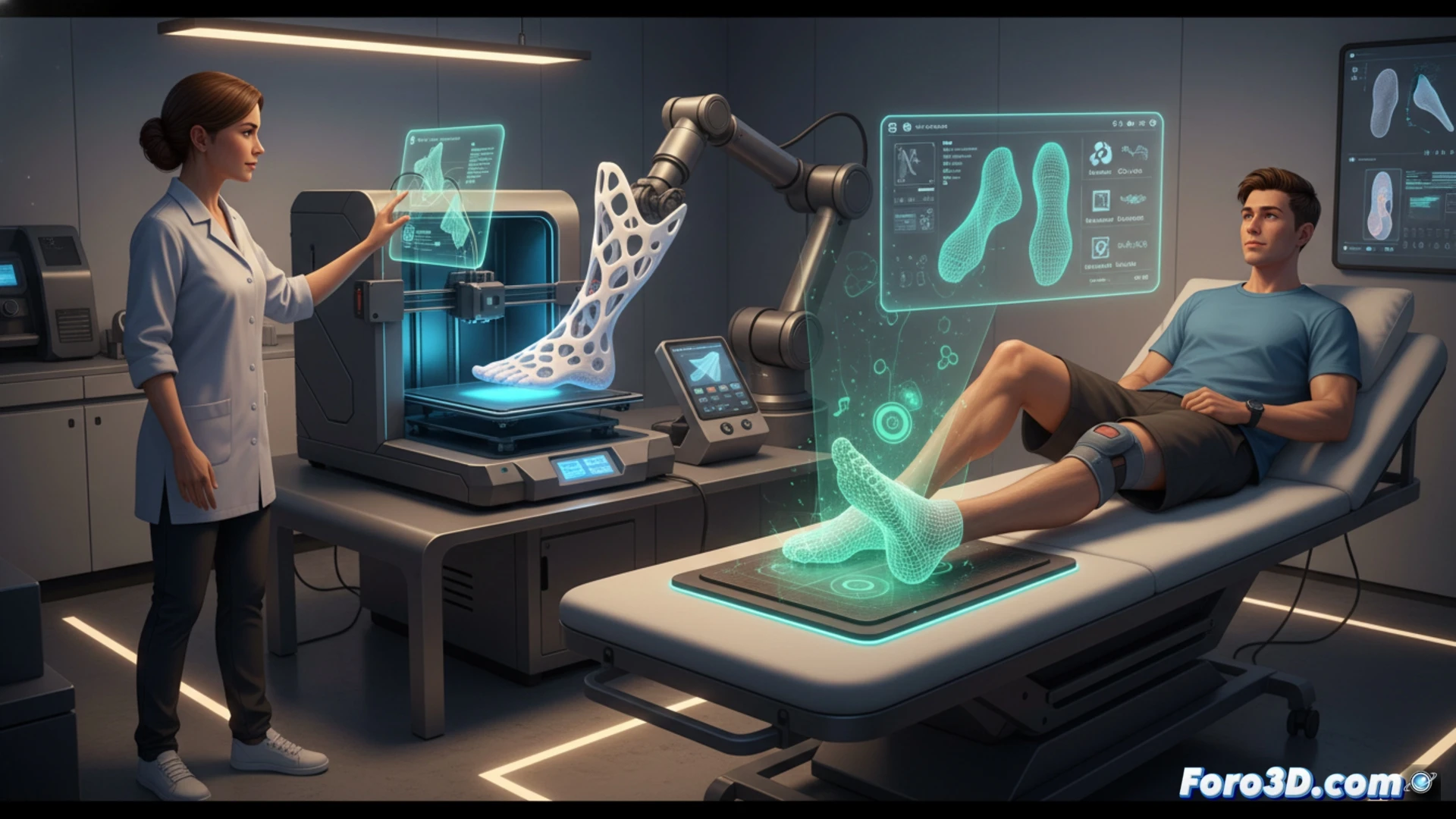
Custom scanning and design for every injury 🦾
The process begins with a handheld 3D scanner (such as the Einscan SE) to capture the exact geometry of the affected area. Fusion 360 or Meshmixer is then used to modify the model and add specific supports. The file is exported in STL format and processed in Cura or PrusaSlicer for printing in flexible filament (TPU) or rigid filament (PLA). This allows for the creation of dynamic splints that immobilize only what is necessary, speeding up recovery.
When the printer does the dirty work for you ☕
Because yes, nothing beats watching your 3D printer chugging away while you enjoy a coffee. The patient arrives with a sprain, and instead of wrapping them up like a sausage, you design a splint with ventilation holes. Of course, then comes the awkward moment: explaining that the piece you put on their ankle cost less than the coffee you had while printing it. Technology advances, but the physio's sense of humor remains the same.