3D technology offers practical tools for nursing assistants, facilitating the understanding of anatomy and the practice of procedures. A clear example is the creation of replicas of organs or bones to train the placement of probes or bandages. The necessary programs include basic modeling software like Tinkercad to design low-cost prosthetics or adapters.
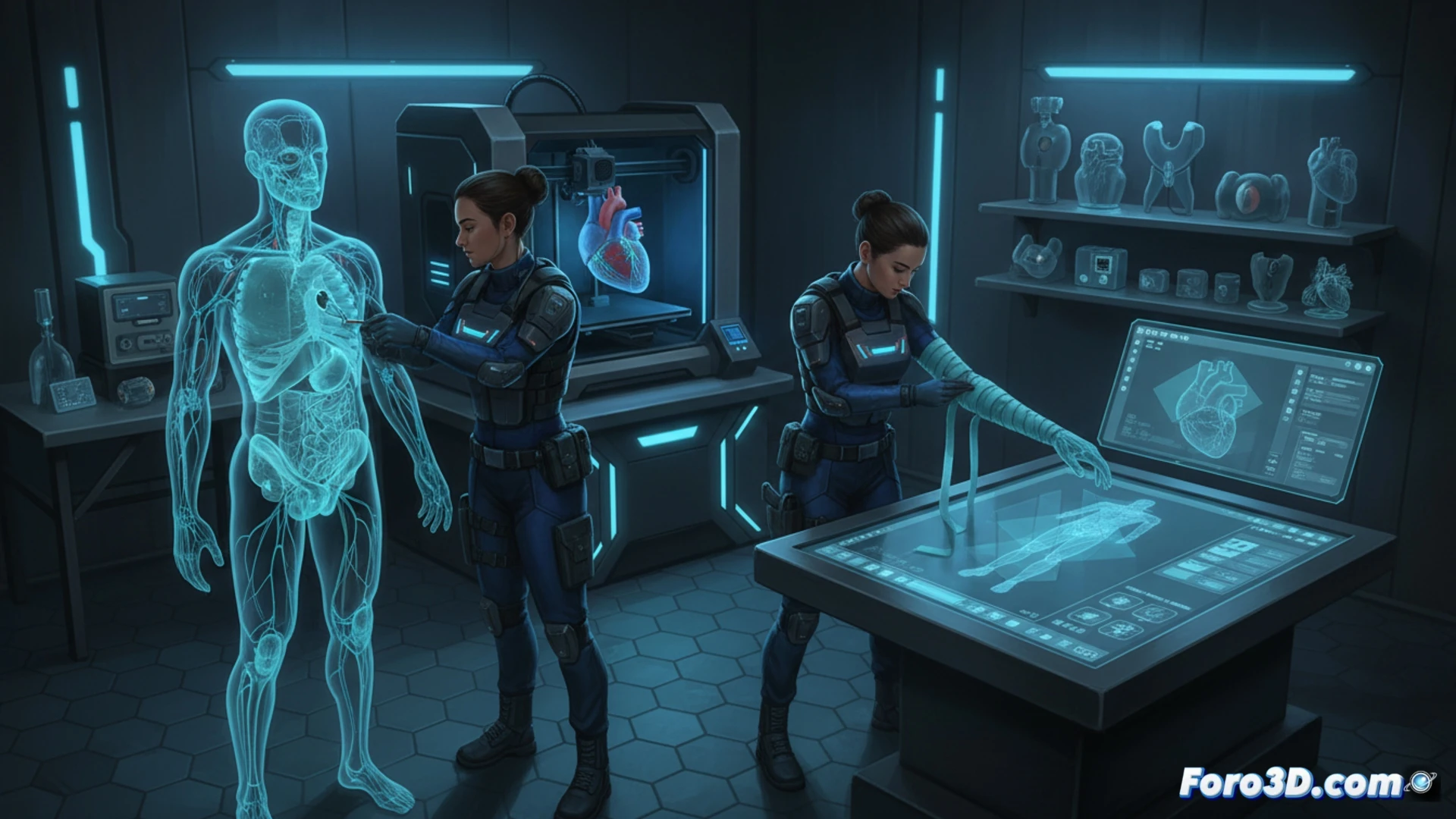
3D modeling and simulation for clinical training 🩺
To create functional anatomical models, programs like Blender or Meshmixer are used, which allow modifying DICOM files from CT scans. The assistant can practice patient mobilization techniques with printed replicas of joints. Additionally, tools like Cura or PrusaSlicer prepare files for FDM or SLA printers, using flexible filaments like TPU to simulate soft tissue textures.
When plastic saves more than just the machine's snacks 😂
Because yes, a 3D printer can make everything from a phone holder to a clamp for holding gauze, but watch out: if the assistant prints a kidney model and mistakes it for a ham sandwich, the problem isn't the technology. At least with plastic there's no risk of accidental punctures, although the patient's face when seeing a colorful femur in the consultation is priceless.