3D technology has transformed the craft of the mechanical engineer, enabling a shift from the two-dimensional blueprint to a physical prototype in hours. Instead of waiting weeks for a part manufactured using traditional methods, an engineer can validate fits, tolerances, and strength instantly. This reduces costs and accelerates product development.
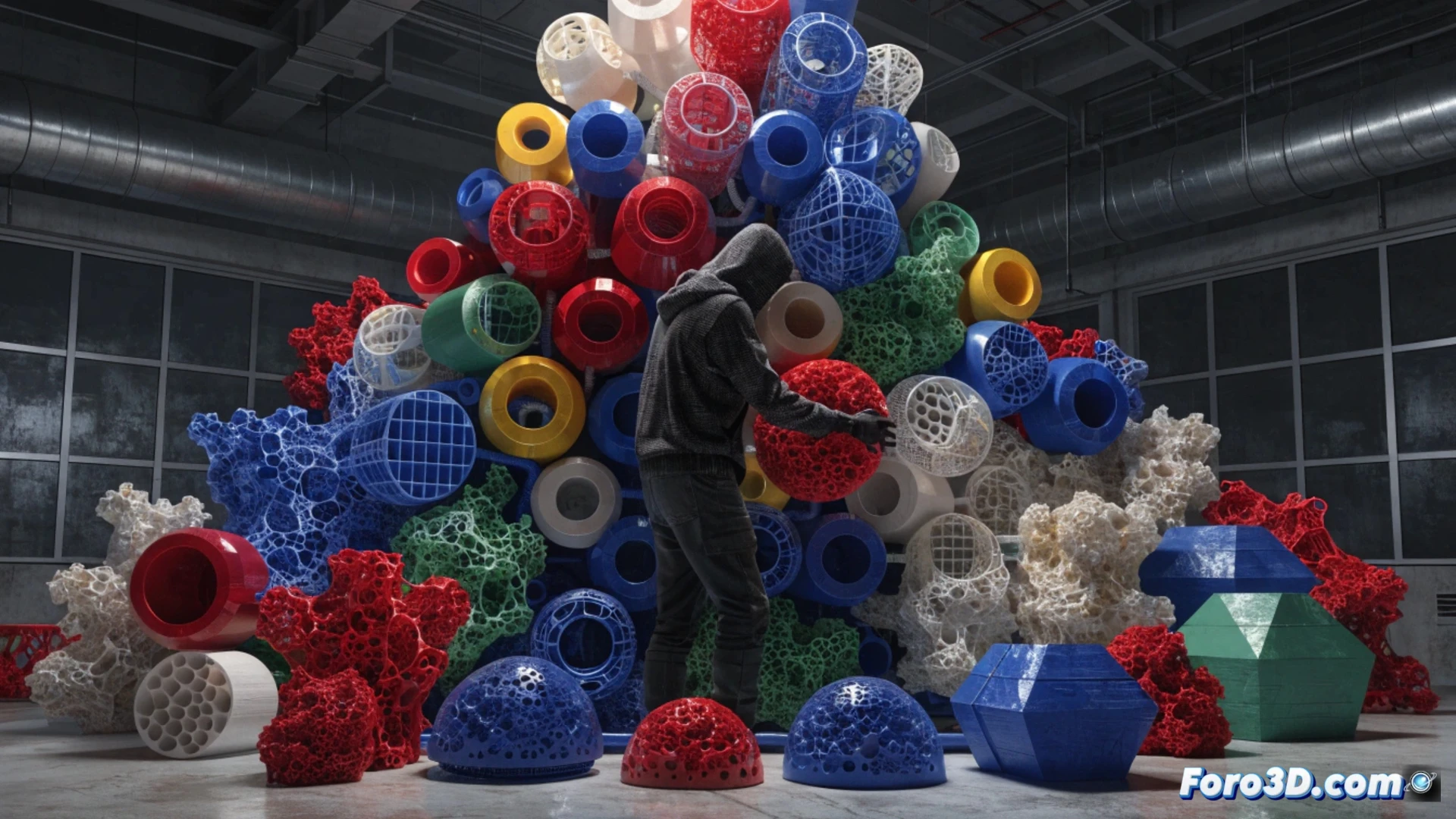
Practical example and essential programs 🛠️
Imagine designing an engine mount for an electric vehicle. With 3D modeling in SolidWorks or Fusion 360, you create the geometry and perform stress analysis. Then you export the STL file to Cura or PrusaSlicer to print it in PLA or ABS. The prototype is tested on a bench, and if it fails, you modify the design in minutes. Without 3D, you would have to mill an aluminum block, an expensive and slow process.
And if the printer jams, go cry in the office 😅
Of course, 3D technology has its dark side. When you've been printing that critical part for eight hours and halfway through the nozzle decides to clog or the bed becomes unleveled, the engineer discovers their true calling: that of a mediator between the rebellious filament and the software. But it's okay, because in the end there's always the resource of gluing the pieces together with superglue and praying that no one notices during the review.