3D technology allows account executives to transform abstract ideas into physical prototypes. Instead of relying on flat renders, they can present tactile mockups to clients to validate concepts before production. A clear example: an executive from a packaging agency 3D prints a custom container for a cosmetics brand, reducing the approval cycle from weeks to days.
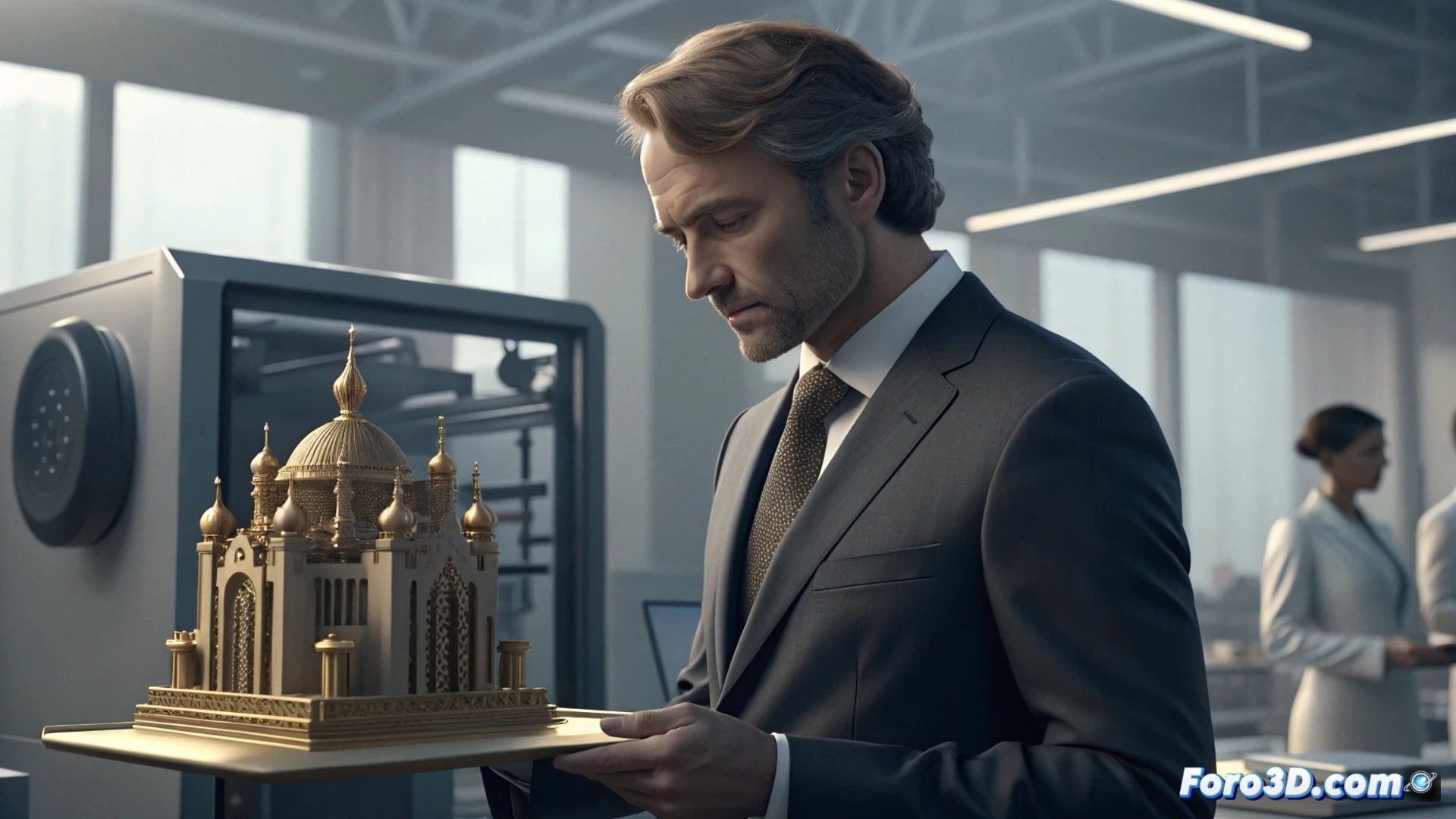
Programs and workflow for rapid prototyping 🚀
The process begins with CAD software like Fusion 360 or SolidWorks to model the product. Then, a slicer such as PrusaSlicer or Cura is used to prepare the file. The FDM or resin printer materializes the part. For the executive, tools like Autodesk Viewer allow sharing models online with the client and receiving real-time feedback. This workflow accelerates decision-making and reduces communication errors.
When the client asks for a unicorn in PLA 🦄
The executive faces harsh reality: the client requests a part with impossible tolerances and a mirror finish. You explain that 3D printing is not magic, but they insist. After two failed prototypes and a discussion about wall thickness, both end up laughing while the production manager threatens to print the client in flexible resin. In the end, the unicorn turns out decent, though it limps on one leg.