3D technology has transformed the architect's craft by allowing them to visualize, modify, and materialize projects with a precision previously unimaginable. From conceptual models to functional prototypes, this tool reduces errors and accelerates communication with clients and builders. It's not magic, but digital processes that save time and materials.
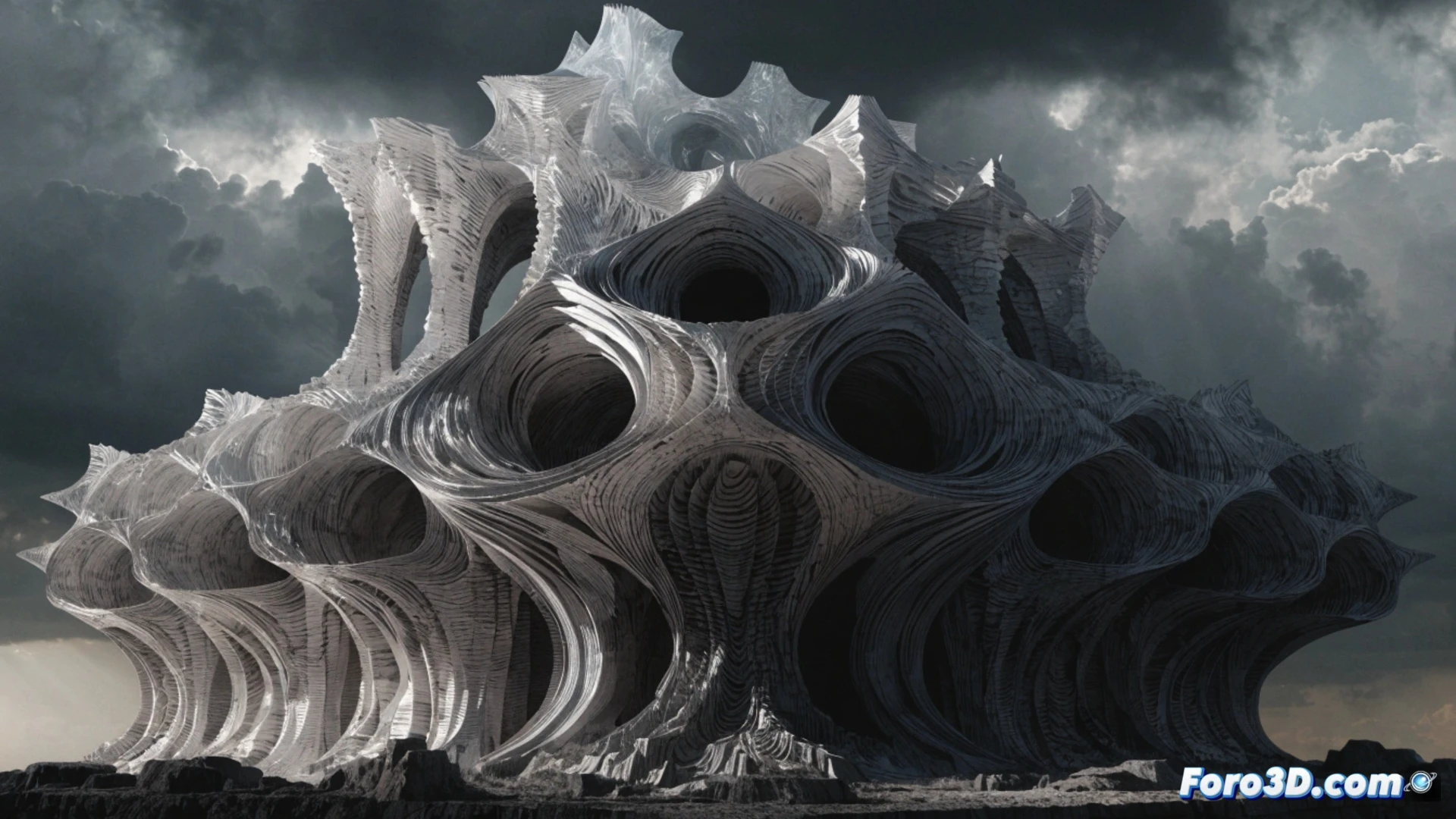
Parametric modeling and rapid prototyping on site 🏗️
A clear example is the design of a complex curved facade. With software like Rhinoceros 3D and Grasshopper, the architect defines geometric parameters that automatically adjust to solar or structural conditions. Then, with a large-format 3D printer (like COBOD or WASP), molds or direct panels are manufactured in concrete. Programs like Revit or SketchUp complement the workflow for technical documentation.
When the client says: I imagined it more square 😅
And then the client arrives, looks at the 3D printed model of their future organic house, and blurts out: This isn't what I asked for, I imagined it more square. That's when you discover that 3D technology can't fix certain things, like the client not knowing what they want. But at least the printer doesn't complain, unlike your site manager. And you, with your parametric plans, smile and change the design in ten minutes. Digital magic.