A Harvard study led by Arjun Manrai reveals that artificial intelligence, specifically OpenAI's o1-preview model, can identify complex diagnoses with greater accuracy than doctors. The research analyzed classic clinical cases and real data from 76 emergency room patients in Boston, where the main challenge was considering all diagnostic possibilities.
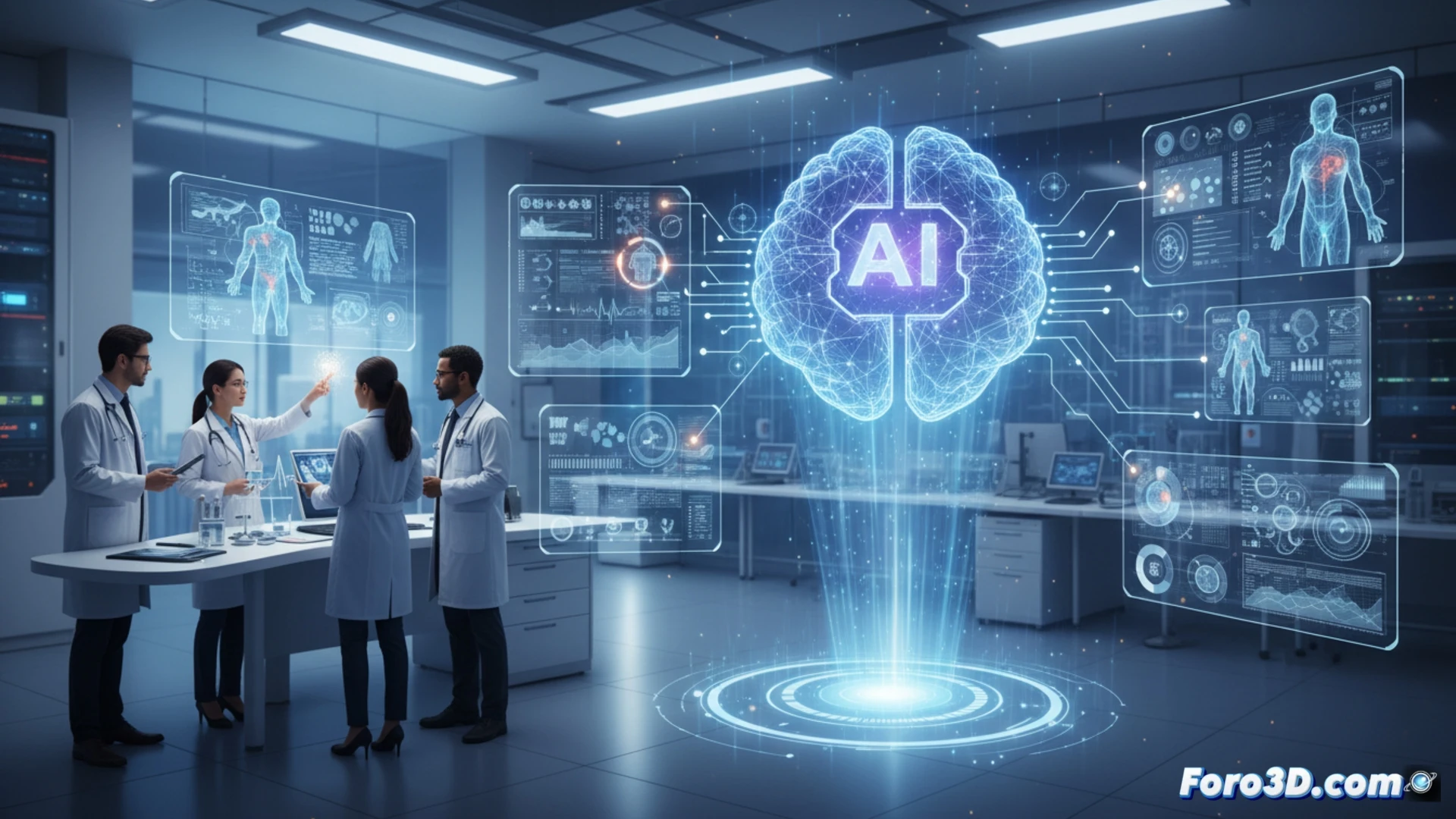
O1-preview: reasoning that leaves no stone unturned 🧠
OpenAI's o1-preview model was tested with medical training symptoms and real cases. The results indicate that AI outperforms humans in scenarios requiring thorough thinking, evaluating multiple hypotheses without anchoring biases. Researchers emphasize that the tool does not replace the doctor but acts as a backup to avoid omissions in complex differential diagnoses.
Doctor AI: now with fewer coffee breaks ☕
It seems artificial intelligence not only beats us at chess but also at the game of medical guessing. While a human doctor may take time to consider a rare disease, AI does it in seconds. The good news is that, for now, the machine doesn't charge for consultations or complain about night shifts. The bad joke: it still doesn't know how to prescribe a placebo with a worried face.