When a celebrity is accused, society divides between those who demand believing the victim and those who call for presumption of innocence for the accused. This contradiction exposes a double standard where women's testimonies are minimized if the accused is a public figure. Rape culture becomes normalized by treating these cases as media spectacles rather than applying the law with a gender perspective.
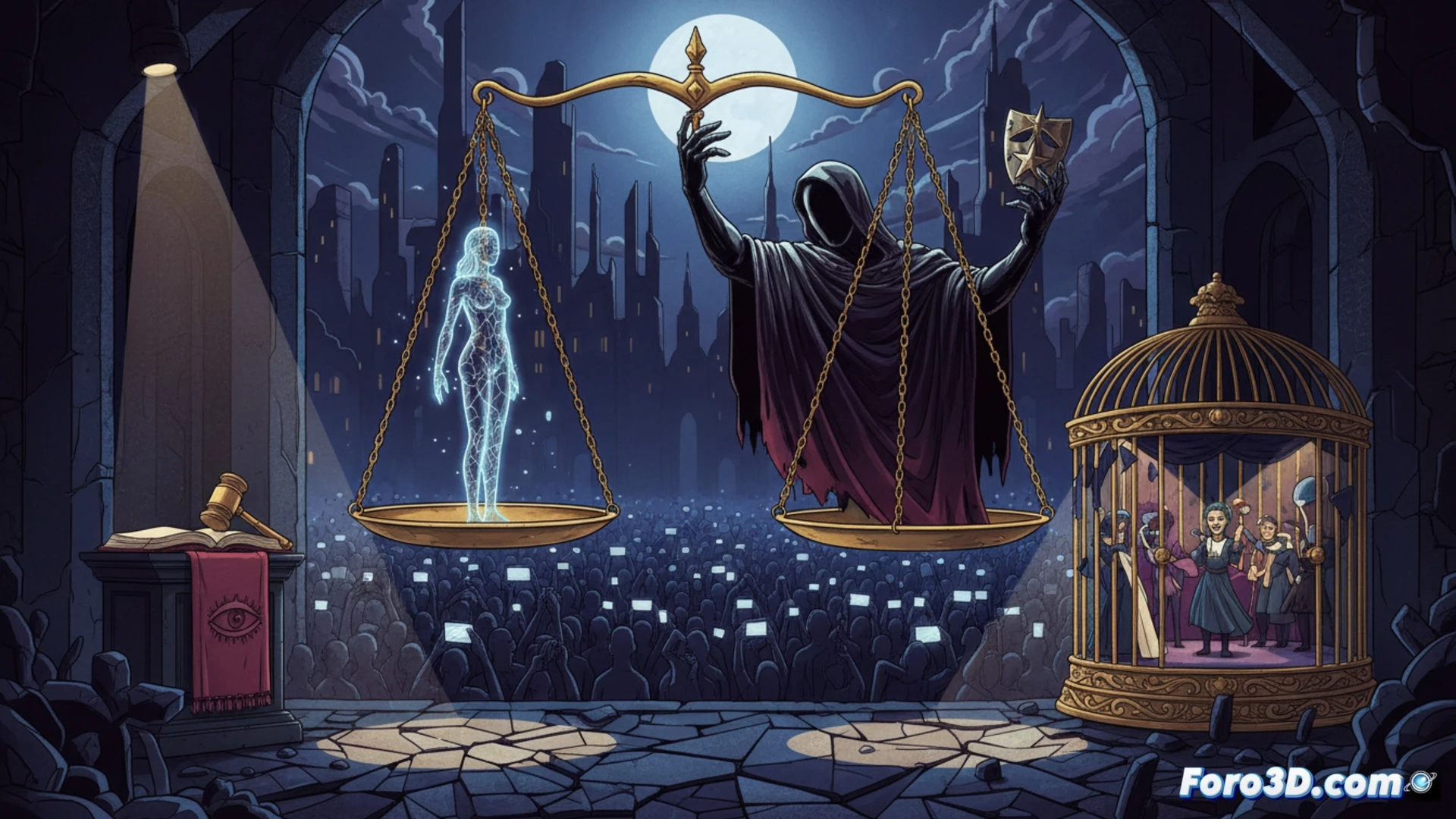
How Technology Can Break Bias in Judicial Investigations 🤖
The development of artificial intelligence systems to analyze digital forensic evidence could reduce human biases in courts. Pattern analysis tools for messages and location records allow corroborating testimonies without relying on the accused's reputation. However, their implementation requires ethical protocols to prevent algorithms from reproducing social prejudices. The key lies in designing systems that prioritize technical evidence over media pressure.
The TikTok Judge: Sentencing in 280 Characters 📱
Now it turns out that to be a judge you only need a smartphone and followers. The audience has already passed sentence before the court opens the case. Meanwhile, the accused learn to hire community managers to manage their digital reputation. Soon we will see lawyers requesting trending topic expert reports. Media justice is fast, cheap, and always wrong.