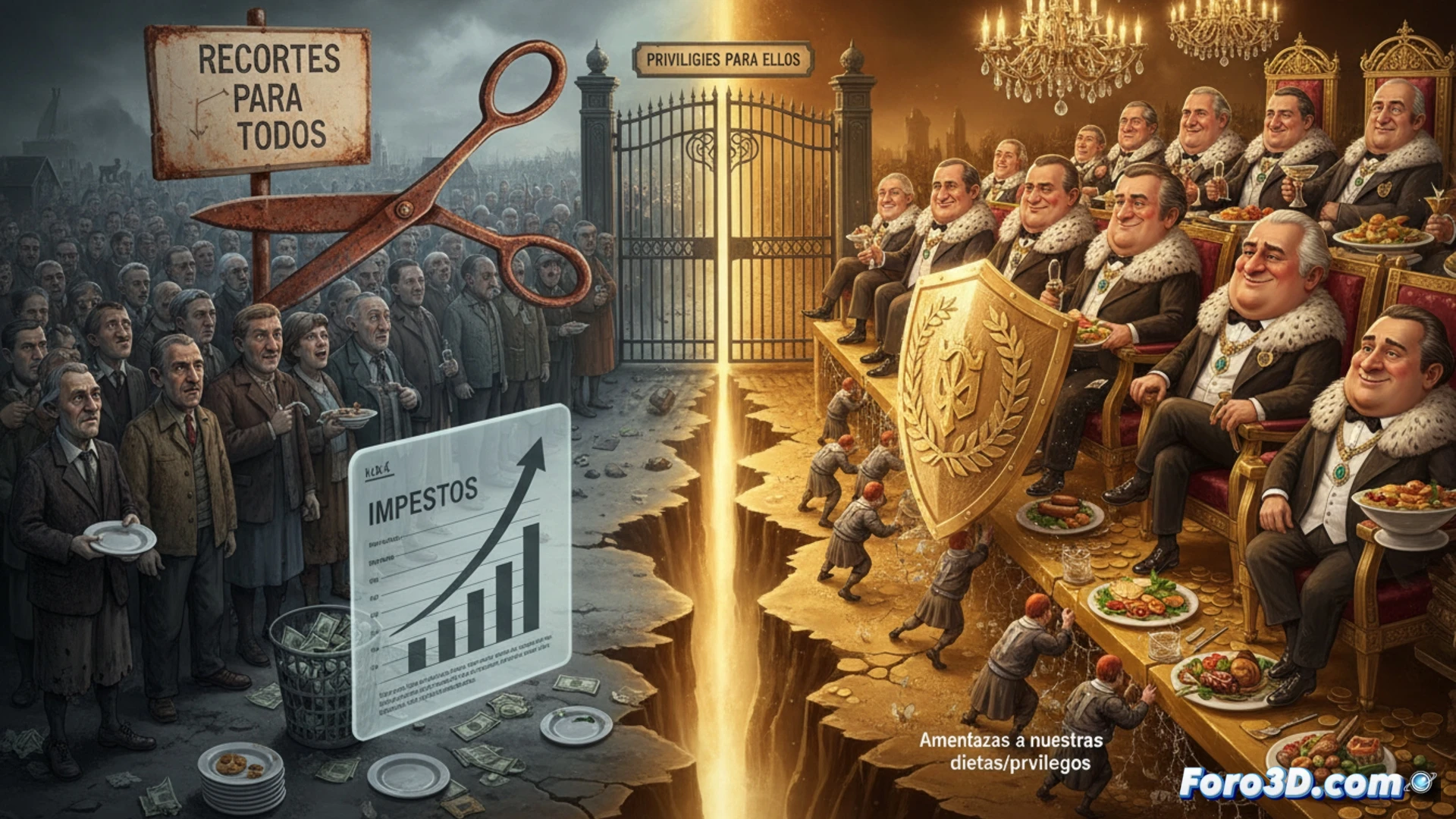
German politicians have demonstrated a selective ability to listen to the people. When cuts affect public services or taxes rise, citizens tighten their belts without the Bundestag batting an eye. But as soon as their own allowances or privileges are touched, panic ensues and cosmetic patches are approved. It's the old dynamic of saving one's own skin while throwing ballast over the population.
Blockchain to audit parliamentary allowances 🛡️
A viable technical solution would be to implement a system based on smart contracts on a public blockchain. Each parliamentary allowance would be linked via a decentralized oracle to the minimum wage or the monthly CPI. Any modification would require a verifiable vote from citizens through a DApp with sovereign digital identity, eliminating intermediaries. Transparency would be total: each transaction would be immutably recorded, impossible to disguise with accounting subterfuges.
The pay raise that actually mobilizes the Bundestag 💼
It's curious that those who vote for cuts in healthcare or education find time to debate for hours whether their allowance should increase by 2% or 3%. The next time you see a German deputy sweating over a 200-euro raise, remember: it's the same energy they don't expend when the price of bread rises by 10%. Perhaps they should install a popular indignation sensor in their wallets. It works.