François Villeroy de Galhau, governor of the French central bank, has issued a direct warning: the gerontocratic decisions of recent decades have skyrocketed deficit spending on pensions and healthcare. Columnist Stéphane Lauer, from Le Monde, reinforces the warning by pointing out that population aging and acquired social commitments are pressuring public finances to a critical point.
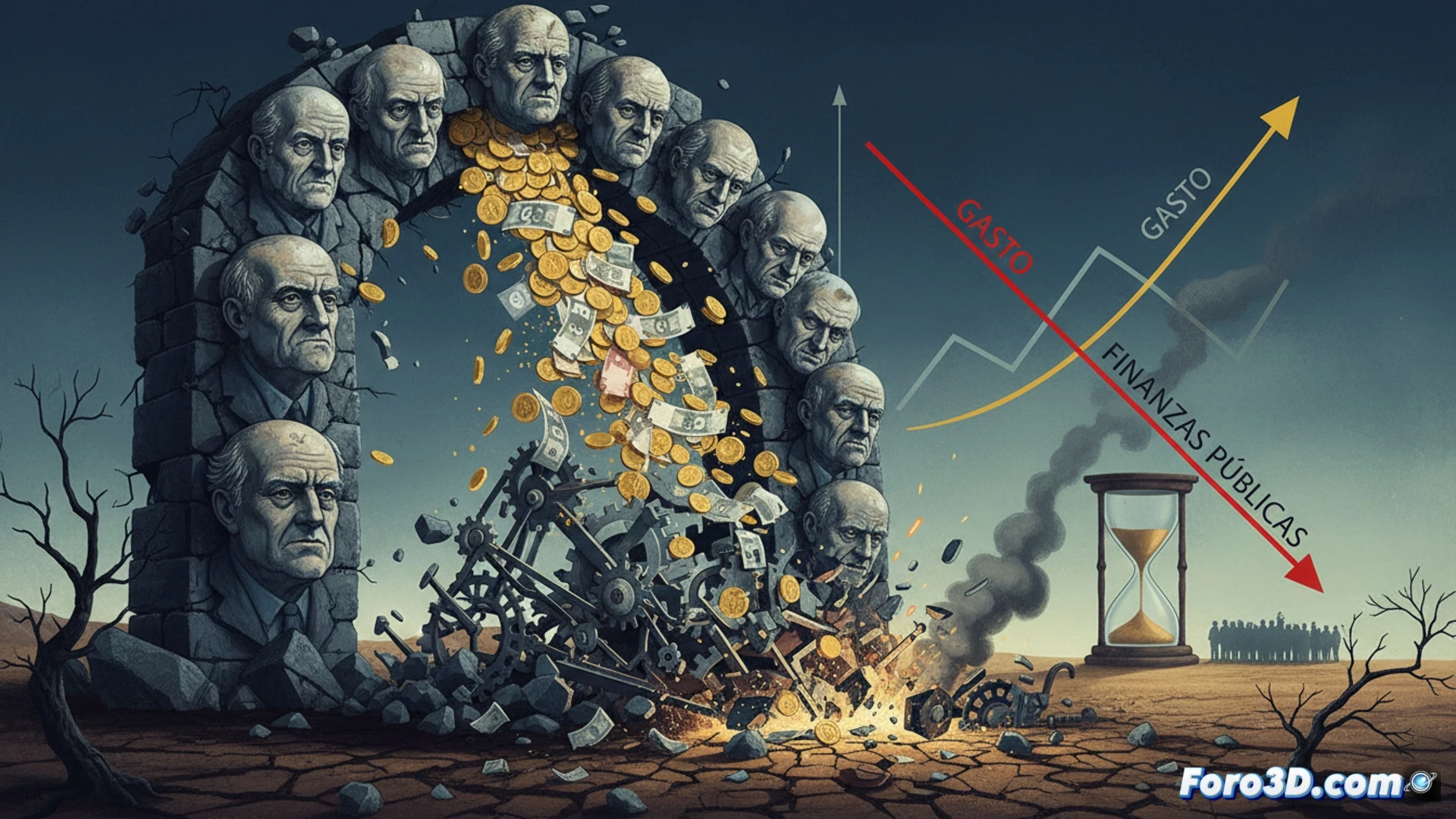
Predictive algorithms to adjust state social spending 🤖
Given this scenario, some administrations are exploring AI models to project aging curves and adjust budget items. Systems based on recurrent neural networks analyze demographic and healthcare consumption data to simulate 20-year fiscal scenarios. However, these algorithms require a massive volume of historical data and constant calibration; otherwise, they generate predictions as optimistic as the campaign promises of a politician on the stump.
The French solution: print more imaginary francs 💸
While technicians discuss AI models, the gerontocrats propose the usual solution: borrow money and blame the youth. Because nothing says sustainable future like paying current pensions with taxes from workers not yet born. At least, when the system collapses, robots (if they haven't retired by then) can take care of the accounting.