Analyst Marc-Antoine Eyl-Mazzega warns about how minerals, currencies, and semiconductors have become weapons of power. In the current geoeconomic competition, control of these resources favors powers such as the United States and China, while Europe loses ground. This dynamic redefines global defense and transforms traditional power relations.
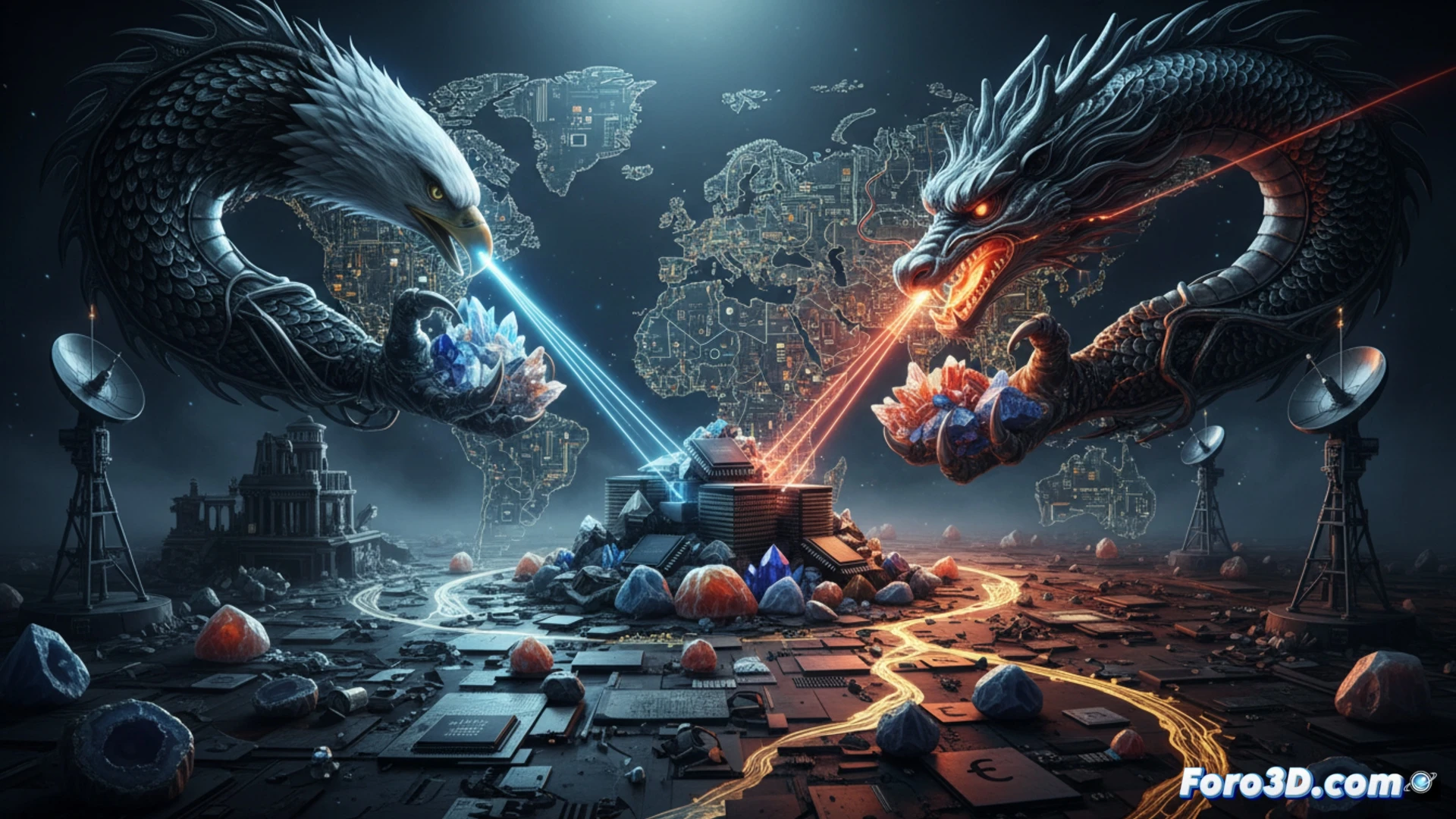
Semiconductors and Lithium: The New Axes of Technological Dominance ⚙️
The manufacturing of advanced chips and the extraction of rare earths are now strategic axes. Control of the supply chain, from Bolivian lithium to factories in Taiwan, dictates who can produce weaponry or digital infrastructure. Europe, without its own reserves or cutting-edge factories, depends on imports. This dependence limits its industrial and military autonomy, while Washington and Beijing negotiate or block access as they see fit.
Europe, the Student Who Arrived Late to the Resources Class 📉
Brussels, with its speeches on strategic autonomy, seems like the student who forgot their homework. While China corners mines in Africa and the U.S. subsidizes its chips, Europe debates whether to recycle old phones or ask for permission to import lithium. In the end, the EU will end up buying technology from its rivals, but with an ecological tax. Geoeconomics does not forgive: whoever lacks minerals ends up paying with devalued currency.