The hardware market is experiencing a perfect storm. For the first time since the 1990s, the price of software and computer accessories in the United States has risen nearly 14% in a year, while wholesale components have become 28% more expensive. The cause: the voracious appetite of artificial intelligence, which has doubled computer imports to 93 billion dollars in just one quarter.
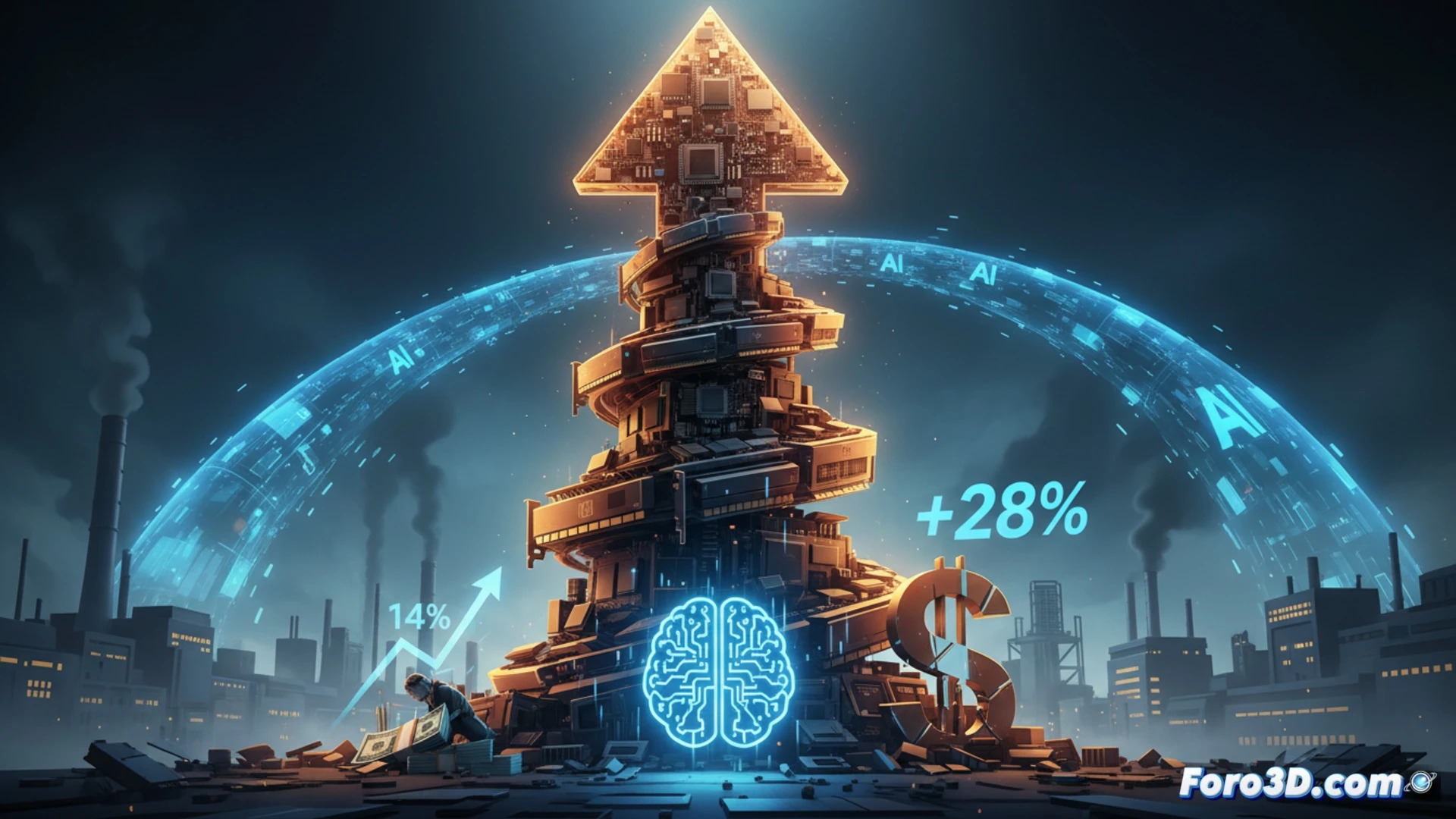
The Semiconductor and Memory Bottleneck 🔥
The demand for AI servers saturates the manufacturing capacity of advanced chips and HBM memory. Manufacturers prioritize million-dollar contracts with hyperscalers, leaving the consumer market without stock. This drives up prices from RAM to SSDs and extends delivery times. The shortage of substrates and passive components worsens the problem, raising production costs across the entire chain.
Your Next GPU Will Cost as Much as a Used Car 💸
While companies buy servers by the pallet to feed their AIs, the average user's wallet is hurting. Want a new graphics card for gaming? Get ready to sell a kidney. And the worst part: manufacturers will tell you it's due to high demand, but then you'll see pallets of RTX 5090s gathering dust in warehouses waiting for you to pay double. Market ironies.