The manga Happiness by Shūzō Oshimi bursts onto the sequential art scene as a case study on adolescent vulnerability. The work tells the story of a student attacked by a vampire girl, faced with a binary choice: death or transformation. However, what truly sets this work apart is not its supernatural premise, but its visual execution. Oshimi employs a graphic language bordering on the abstract, using blurred panels and ethereal atmospheres to immerse the reader in the protagonist's sensory confusion.
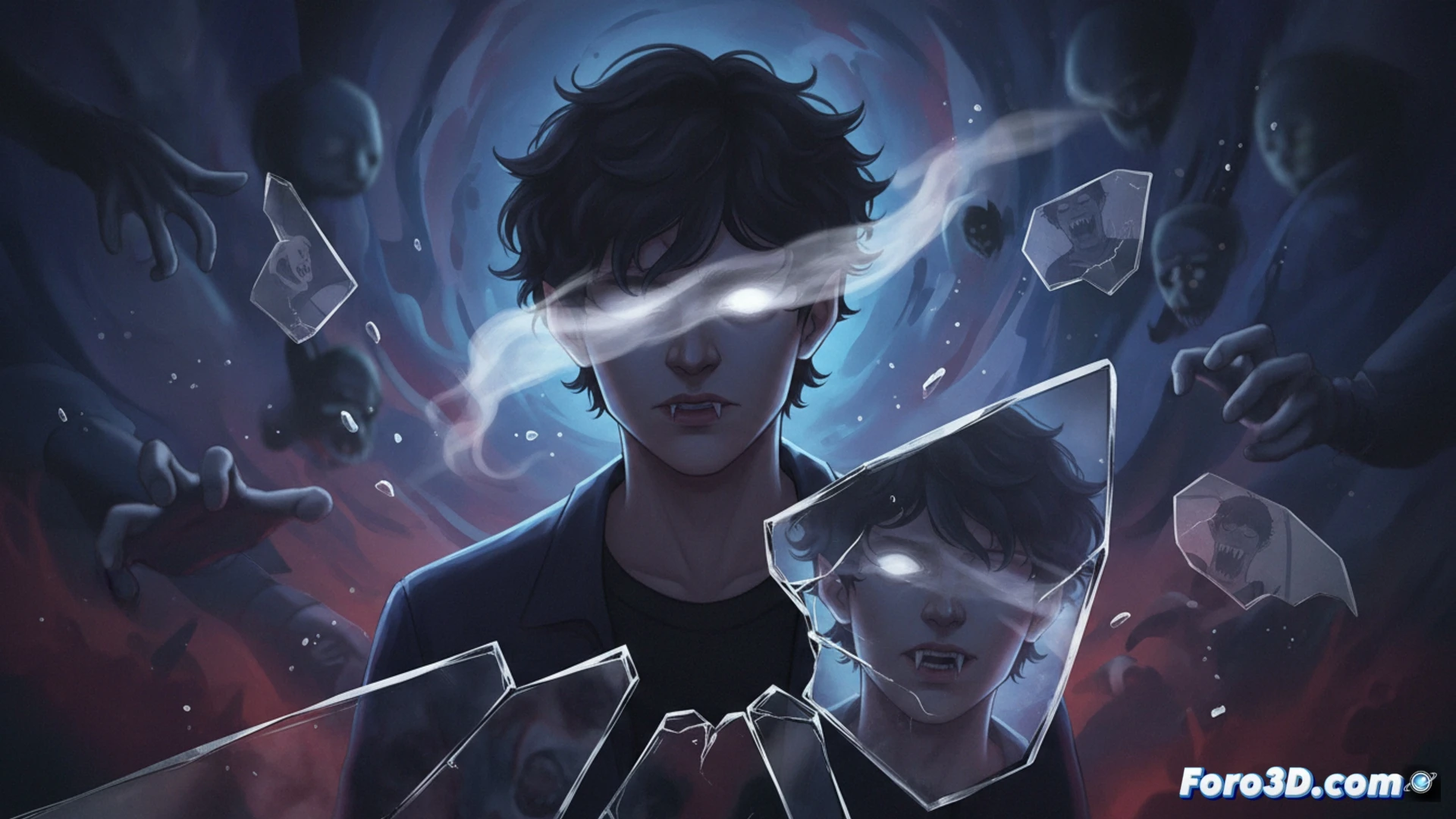
Blur and Ethereal Atmosphere as Tools of Visual Activism 🎨
From a technical perspective, Oshimi exploits blur and lack of sharpness as narrative resources. These techniques, often associated with digital art and avant-garde photography, are transferred to paper to represent the dissociation between body and mind. The reader does not merely observe the protagonist's transformation; they experience it through a visual fog that distorts the contours of reality. This style is not merely decorative: it functions as a social critique of the pressure adolescents face. The loss of identity, symbolized by vampirism, translates into a loss of visual focus. The work uses art as a tool of activism, showing how the individual becomes blurred when forced to choose between conformity and extinction.
Sensory Confusion as a Metaphor for Existential Crisis 🌫️
Oshimi's ethereal art transcends aesthetics to become a manifesto on the fragility of youth. The unsettling nature of vampirism lies not in fangs or blood, but in the blurriness of the boundaries between self and other. By blurring the image, the author suggests that identity is a liquid construct, easily manipulated by external forces. In a context of digital activism, Happiness demonstrates that sequential art can be as powerful a medium as any video essay for critiquing alienation. The work forces us to ask: when the choice is between dying or losing your essence, what remains of us in the visual blur of existence.
How the representation of visual blur in Shūzō Oshimi's Happiness functions as a metaphor for digital vampirism and the erosion of identity in the era of media overexposure
(PS: digital political art is like an NFT: everyone talks about it but no one really knows what it is)